
What Causes Surface Variations in Complex 5-Axis Machining
Introduction: Surface Quality Reveals Process Stability
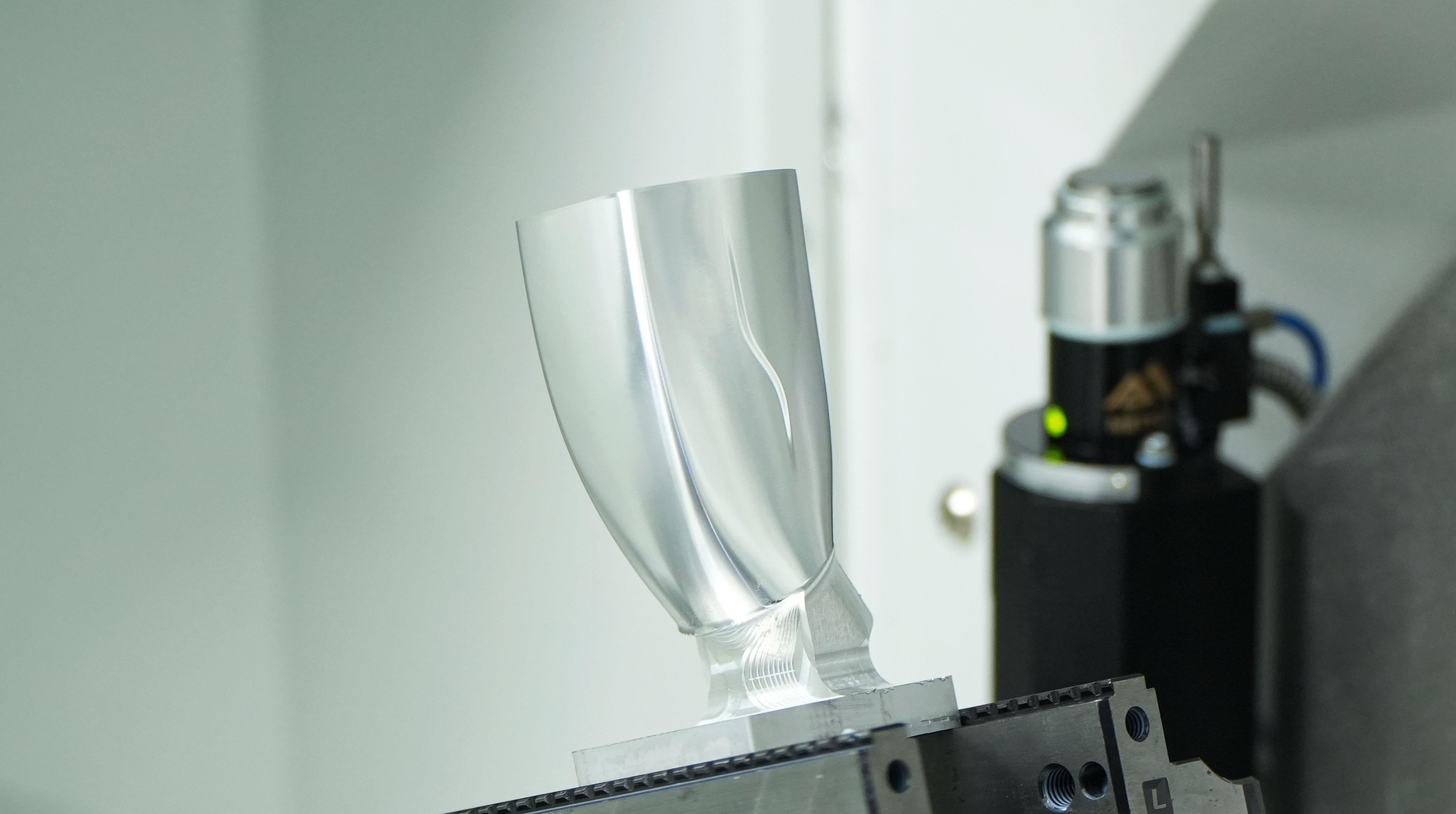
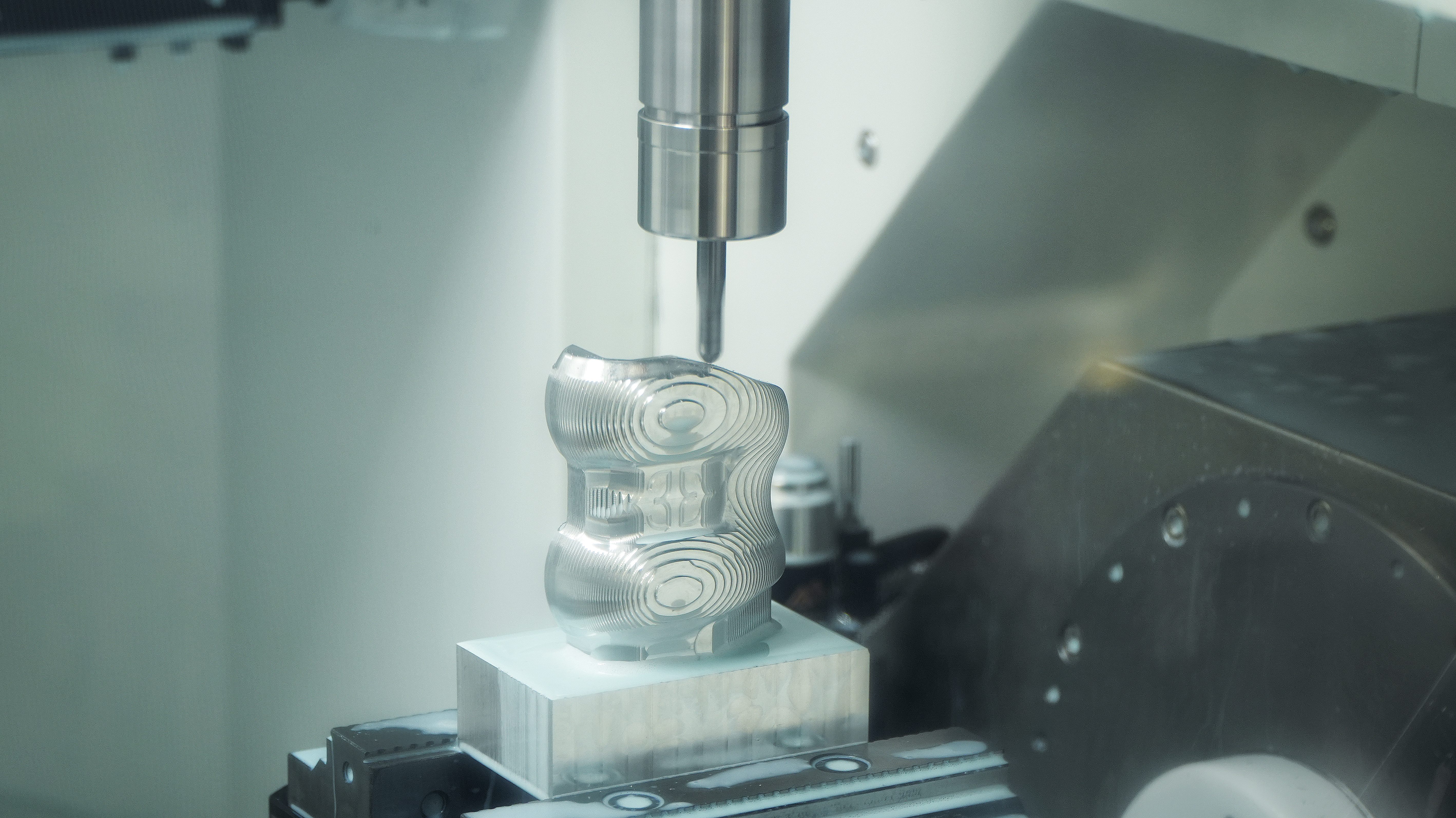
In 5-axis CNC machining, surface quality is one of the clearest indicators of machining performance. Even when dimensions remain within tolerance, visible surface variations can reveal hidden instability within the machining process.
For manufacturers focused on precision machining, maintaining consistent surfaces across complex geometries is essential. However, achieving stable micron level machining becomes increasingly difficult as part complexity grows.
1. Dynamic Stability CNC and Vibration Effects
One of the main causes of surface variations CNC is insufficient dynamic stability CNC.
In complex 5 axis CNC operations:
- Toolpaths change continuously
- Axis acceleration varies constantly
- Cutting forces fluctuate
If the machine cannot maintain stable motion:
- Vibration increases
- Chatter marks appear
- Surface consistency decreases
Strong dynamic stability CNC is critical for smooth precision machining results.
2. Machine Geometry CNC Errors
Machine geometry CNC directly affects surface accuracy.
Even small geometric deviations can cause:
- Uneven tool movement
- Misalignment between passes
- Surface waviness
In 5-axis cnc machining, these errors become more visible because tool orientation changes continuously across complex surfaces.
Maintaining accurate machine geometry CNC is essential for stable micron level machining.
3. Cutting Stability CNC and Force Variation
Cutting stability CNC determines how consistently material is removed.
Surface variations occur when:
- Cutting forces change abruptly
- Tool engagement becomes unstable
- Feed rates fluctuate
Poor cutting stability CNC results in:
- Irregular surface texture
- Inconsistent finishes
- Reduced precision CNC machining quality
4. Tool Overhang and Tool Deflection
Complex geometries often require longer tools for accessibility.
Excessive tool overhang:
- Increases vibration sensitivity
- Causes tool deflection
- Reduces cutting stability
This directly impacts precision machining performance and surface consistency in 5 axis CNC applications.
5. Thermal Effects During Long Machining Cycles
Heat generation is another major factor behind surface variations CNC.
During long machining cycles:
- Machine components expand
- Spindle position may shift
- Material behavior changes
Without proper thermal control, maintaining consistent micron level machining becomes difficult.
6. Kinematic Complexity in 5-Axis CNC Machining
In 5-axis cnc machining, simultaneous multi-axis motion introduces additional challenges.
Complex kinematics can lead to:
- Interpolation errors
- Sudden changes in tool orientation
- Variations in cutting conditions
These issues affect both precision CNC machining accuracy and surface finish quality.
7. Machine Structure and Overall Stability
Ultimately, surface quality reflects overall machine stability.
A strong machine structure provides:
- Better rigidity
- Improved vibration damping
- More stable cutting conditions
Weak structures amplify instability, making consistent precision machining difficult in complex parts.
Conclusion: Surface Variations Are a Stability Problem
In 5-axis CNC machining, surface variations are rarely caused by a single issue. They result from the interaction of:
- Dynamic stability CNC
- Machine geometry CNC
- Cutting stability CNC
- Thermal and structural behavior
Achieving smooth, consistent surfaces requires stable precision machining conditions and reliable micron level machining capability throughout the entire process.
FAQ
1. What causes surface variations in 5-axis CNC machining?
They are mainly caused by vibration, geometry errors, unstable cutting conditions, and thermal effects.
2. How does dynamic stability CNC affect surface quality?
Poor dynamic stability increases vibration and chatter, which creates visible surface defects.
3. Why is machine geometry CNC important for surface consistency?
Geometric accuracy ensures smooth tool movement and prevents uneven machining marks.
4. Can tool overhang affect surface finish?
Yes. Excessive overhang increases tool deflection and vibration, reducing surface quality.
5. How can surface variations be reduced?
By improving machine rigidity, stabilizing cutting conditions, and optimizing thermal and motion control.