
Why Surface Consistency Is the Real Challenge in 5-Axis Machining
Introduction: Accuracy vs. Consistency
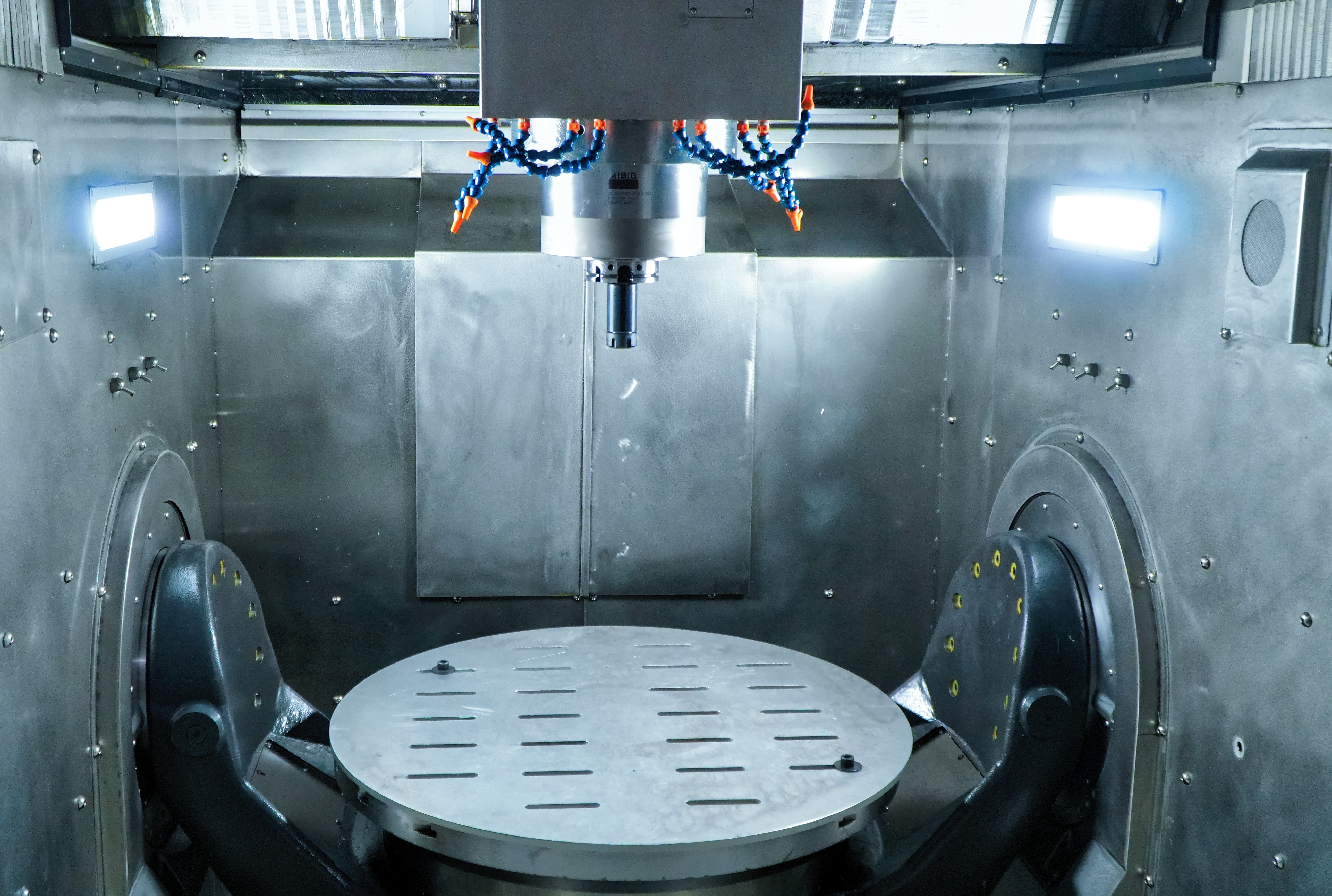
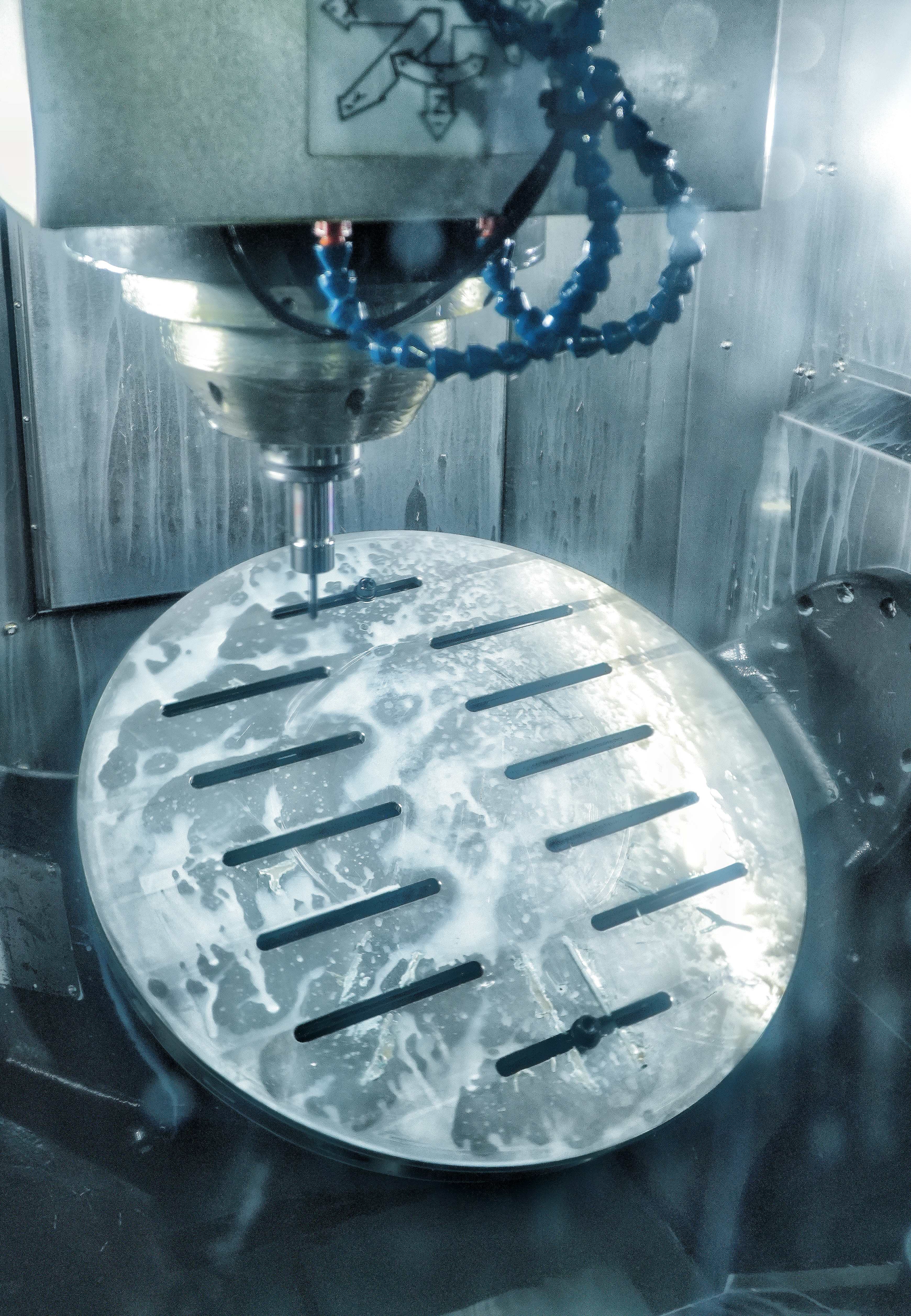
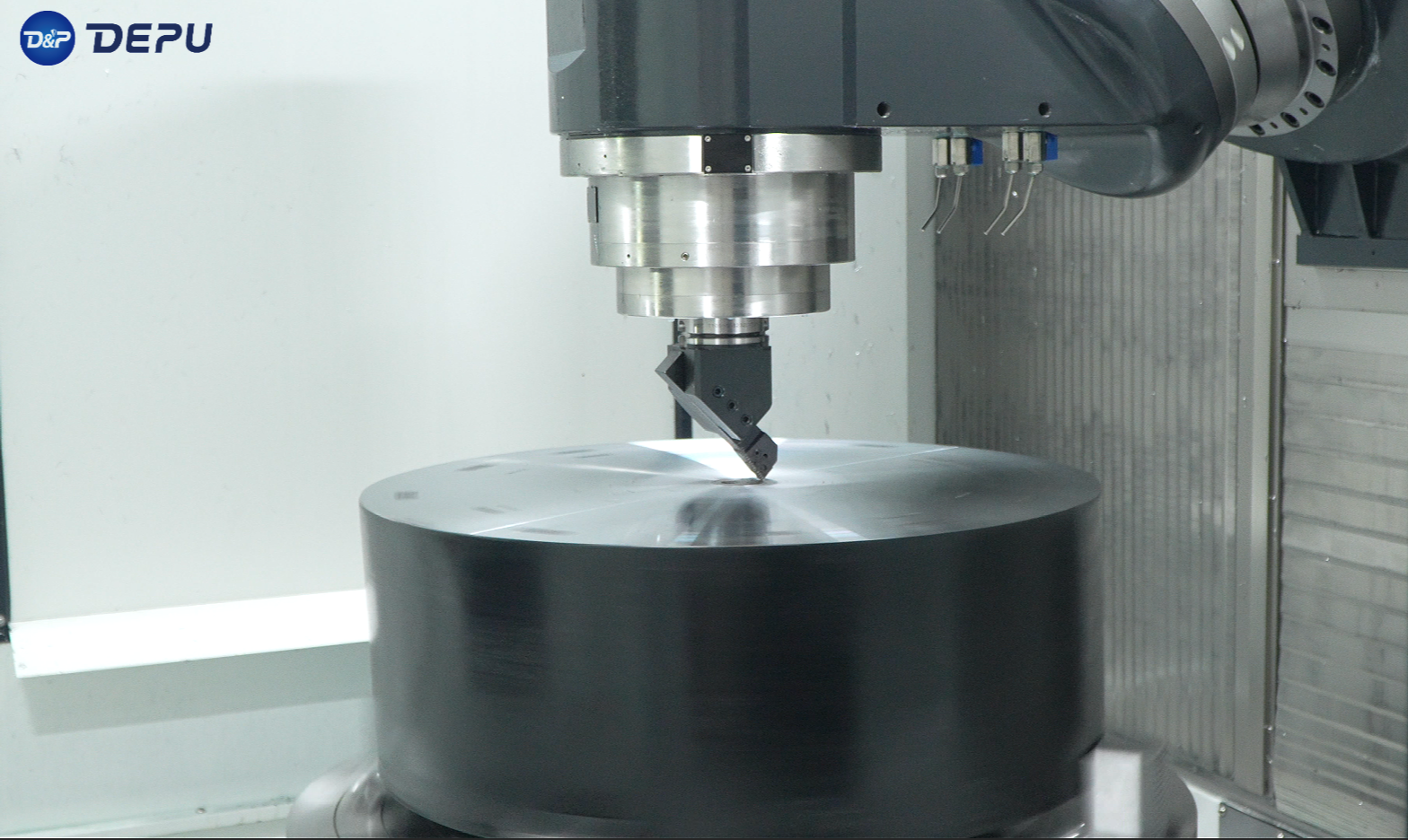
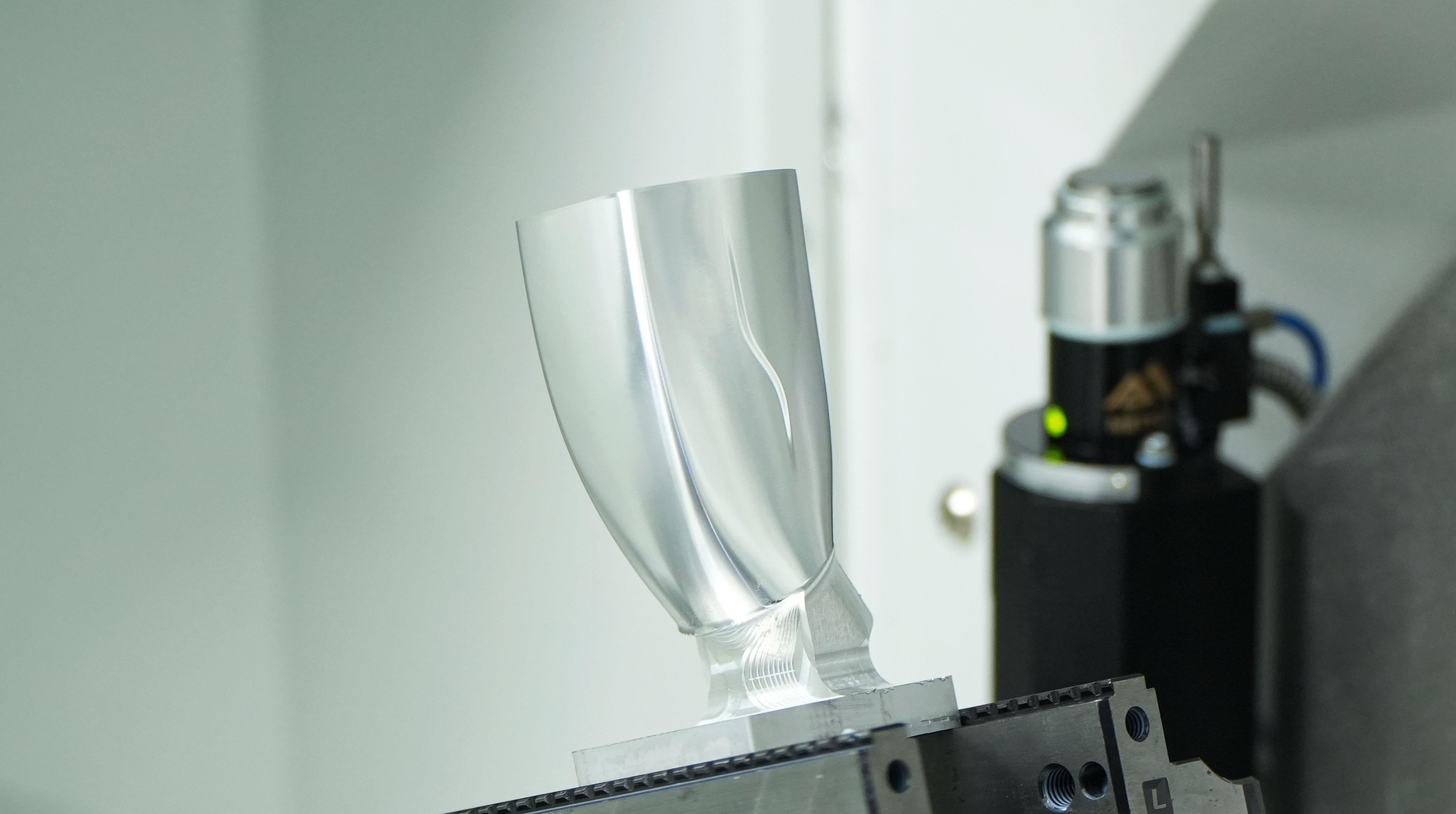
In 5 axis machining, achieving dimensional accuracy is often seen as the primary goal. However, in real-world applications, surface consistency CNC is the true challenge.
A part may meet tolerance requirements, yet still fail due to inconsistent surface finish, visible tool marks, or uneven texture. This is because surface consistency CNC depends on multiple interacting factors, including machine geometry CNC, dynamic stability CNC, and cutting stability CNC—all of which must remain stable throughout the machining process.
1. What Is Surface Consistency CNC?
Surface consistency CNC refers to the uniformity of surface finish across the entire workpiece, especially on complex geometries.
It includes:
- Even surface roughness
- Smooth transitions between toolpaths
- Absence of chatter marks or vibration patterns
Maintaining surface consistency CNC is critical in industries requiring high-performance components and superior aesthetics, such as aerospace and medical manufacturing.
2. Micron Level Machining and Surface Quality
Achieving micron level machining is not only about dimensional accuracy but also about maintaining consistent surface quality.
Even slight variations in:
- Tool position
- Machine vibration
- Axis synchronization
can lead to visible inconsistencies. Stable micron level machining ensures that surface finish remains uniform across complex contours.
3. Dynamic Stability CNC: The Key to Smooth Surfaces
Dynamic stability CNC plays a central role in achieving surface consistency CNC.
Poor dynamic stability leads to:
- Chatter marks
- Surface waviness
- Inconsistent cutting forces
A machine with strong dynamic stability CNC maintains smooth motion, ensuring consistent tool engagement and improved cutting stability CNC, which directly enhances surface quality.
4. Machine Geometry CNC and Toolpath Accuracy
Machine geometry CNC determines how accurately programmed toolpaths are executed.
Inconsistent geometry results in:
- Misalignment between adjacent toolpaths
- Surface steps or mismatches
- Reduced 5 axis machining accuracy
Maintaining stable machine geometry CNC is essential for achieving seamless surfaces in precision CNC machining.
5. Cutting Stability CNC: Consistent Material Removal
Cutting stability CNC ensures that material removal remains uniform throughout the machining process.
Factors affecting cutting stability include:
- Tool rigidity and overhang
- Spindle performance
- Machine structure and damping
Stable cutting stability CNC leads to:
- Even chip formation
- Reduced tool wear
- Improved surface consistency CNC
This is especially critical in high precision machining of complex surfaces.
6. The Complexity of 5 Axis Machining Accuracy
In 5 axis machining, tool orientation continuously changes, making it more difficult to maintain consistent cutting conditions.
Challenges include:
- Varying tool engagement angles
- Changing cutting forces
- Multi-axis synchronization errors
These factors directly impact surface consistency CNC, even when 5 axis machining accuracy is within tolerance.
7. Machine Tool Structure Design and Surface Stability
Advanced machine tool structure design is essential for achieving stable surfaces.
A well-designed structure provides:
- High CNC machine rigidity
- Strong dynamic stability CNC
- Consistent machine geometry CNC
Together, these factors enable reliable precision CNC machining and consistent surface quality across complex parts.
Conclusion: Consistency Defines Quality
In 5 axis machining, accuracy alone is not enough. The real measure of performance is surface consistency CNC.
Achieving it requires the combined stability of:
- Micron level machining
- Dynamic stability CNC
- Machine geometry CNC
- Cutting stability CNC
Only when all these elements work together can manufacturers deliver truly high-quality precision CNC machining results.
FAQ
1. What is surface consistency in CNC machining?
Surface consistency refers to the uniformity of surface finish across a workpiece, including smoothness and absence of defects.
2. Why is surface consistency harder to achieve in 5 axis machining?
Because tool orientation and cutting conditions constantly change, making it difficult to maintain uniform cutting performance.
3. How does dynamic stability CNC affect surface quality?
Poor dynamic stability causes vibration and chatter, leading to uneven surface finish.
4. What role does machine geometry CNC play in surface consistency?
It ensures accurate toolpath execution, preventing mismatches and surface irregularities.
5. How can surface consistency be improved?
By optimizing machine structure, reducing vibration, maintaining geometry, and ensuring stable cutting conditions.