
How Machine Geometry Influences Accuracy in Complex 5-Axis Machining
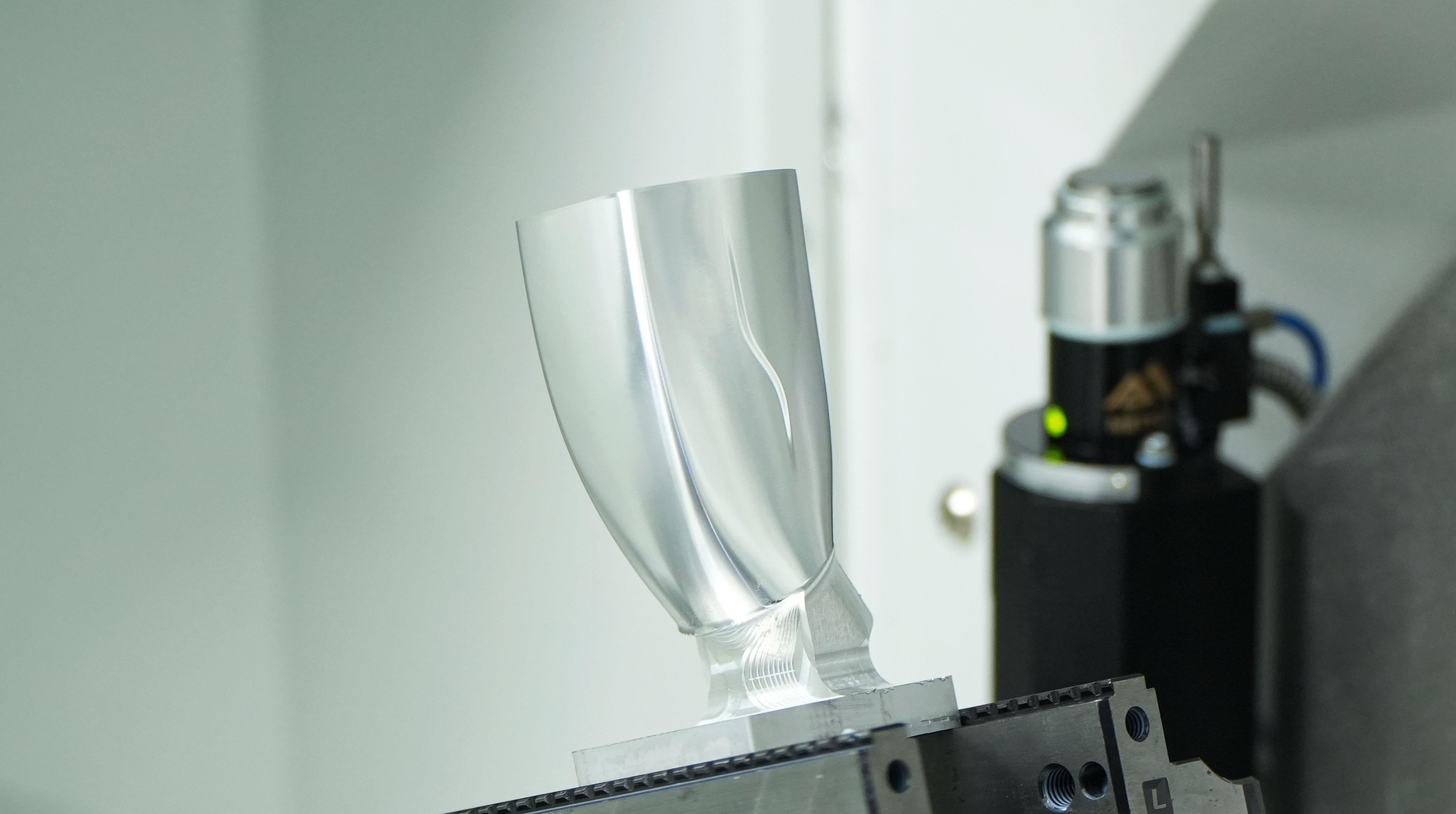
Introduction: Accuracy Begins with Machine Geometry
In advanced 5-axis CNC machining, machining accuracy depends on far more than spindle performance or software capability.
One of the most important yet often overlooked factors is machine geometry CNC. The geometric relationship between machine components directly influences positioning accuracy, structural behavior, motion stability, and long-term machining consistency.
In complex machining environments, even small geometric limitations can affect 5 axis machining accuracy, especially when machining tight tolerances and complex surfaces.
For manufacturers pursuing reliable precision CNC machining, machine geometry forms the foundation of stable and repeatable machining performance.
1. What Is Machine Geometry CNC?
Machine geometry CNC refers to the physical arrangement and alignment of machine components, including:
- Linear axes positioning
- Rotary axis configuration
- Structural layout
- Guideway and spindle relationships
Machine geometry determines how accurately movement can be transferred into actual cutting motion.
Poor geometry introduces:
- Positioning deviation
- Motion inconsistency
- Increased vibration sensitivity
These problems directly reduce multi-axis motion accuracy and machining consistency.
2. Axis Configuration Influences Motion Accuracy
In 5-axis cnc machining, multiple linear and rotary axes move simultaneously.
Machine geometry affects:
- Axis travel behavior
- Interpolation smoothness
- Rotational accuracy
- Motion synchronization
Poor axis geometry can create:
- Positioning mismatch
- Accumulated interpolation error
- Reduced surface consistency
Stable axis relationships are essential for maintaining reliable micron level machining during complex multi-axis toolpaths.
3. CNC Machine Rigidity Depends on Structural Geometry
Machine geometry also affects CNC machine rigidity.
Structural layout determines:
- Load transfer behavior
- Force distribution
- Resistance to deformation
Well-optimized machine structure design helps:
- Reduce structural deflection
- Improve cutting stability
- Maintain machining consistency
In contrast, poor structural geometry amplifies vibration and reduces machining accuracy during aggressive cutting.
4. Dynamic Stability CNC Is Influenced by Geometry
Geometry directly affects dynamic stability CNC, particularly during high-speed machining.
Poor structural balance or unfavorable mass distribution may cause:
- Resonance
- Vibration amplification
- Motion instability
Advanced machine geometry improves dynamic stability CNC through:
- Balanced structural layouts
- Optimized center of gravity
- Reduced inertia in moving assemblies
This helps maintain stable machining conditions during continuous multi-axis motion.
5. Rotary Axis Geometry Matters in 5-Axis Machining
In 5-axis CNC machining, rotary axes play a major role in machining accuracy.
Improper rotary geometry may lead to:
- Angular positioning errors
- Tool center point deviation
- Reduced contour accuracy
Optimized rotary axis positioning helps:
- Maintain stable cutting orientation
- Improve surface transitions
- Support accurate complex geometry machining
This becomes especially important in aerospace parts, impellers, and freeform surface machining where accuracy requirements are extremely demanding.
6. Machine Geometry Affects Thermal Behavior
Machine geometry also influences thermal response during machining.
Poor geometric layout may:
- Concentrate thermal expansion
- Create uneven structural deformation
- Reduce positioning consistency
Machines with optimized structural layouts maintain better thermal balance, helping support long-term precision CNC machining and stable micron level machining.
7. Complex Parts Require Better Multi-Axis Motion Accuracy
Complex workpieces demand:
- Continuous tool orientation changes
- Smooth interpolation
- Precise positioning control
Weak machine geometry increases the risk of:
- Surface transition errors
- Toolpath deviation
- Dimensional inconsistency
Strong machine geometry CNC supports reliable multi-axis motion accuracy, making it possible to maintain stable machining quality throughout difficult operations.
Conclusion: Machine Geometry Defines Accuracy Potential
In advanced 5-axis CNC machining, machine geometry is one of the most important foundations of machining accuracy.
Optimized machine geometry CNC improves:
- CNC machine rigidity
- Dynamic stability CNC
- Multi-axis motion consistency
- Micron level machining reliability
For manufacturers pursuing stable high precision machining, machine geometry determines how accurately cutting performance can be maintained across complex machining applications.
FAQ
1. What is machine geometry in CNC machining?
Machine geometry refers to the physical arrangement, alignment, and structural relationships between machine components.
2. Why does machine geometry affect machining accuracy?
Because geometry determines motion precision, structural rigidity, and how accurately programmed toolpaths are executed.
3. How does geometry affect dynamic stability CNC?
Poor geometry can increase vibration and resonance, reducing cutting stability during machining.
4. Why are rotary axes important in 5-axis machining?
Rotary axes control tool orientation and directly influence contour accuracy and surface quality.
5. Can machine geometry influence thermal stability?
Yes. Machine layout affects thermal expansion behavior, which impacts long-term positioning consistency and machining accuracy.