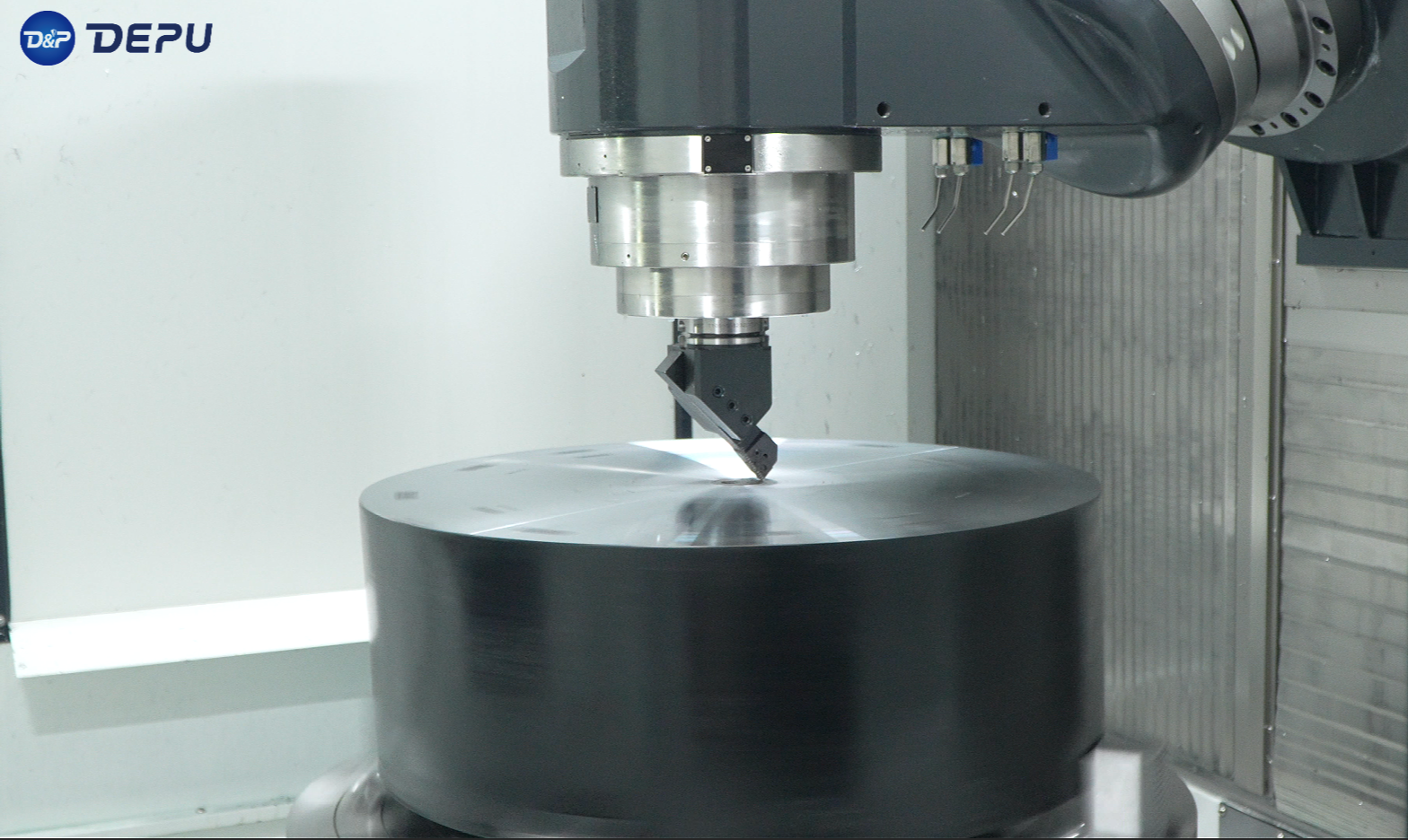

Enhanced 5-Axis CNC Machine Capabilities and High-Precision Applications
Evolution of 5-axis CNC machining in high-precision manufacturing
The shift from 3-axis to 5 Axis CNC Machine systems has transformed precision manufacturing, reducing setup times by up to 70% while enabling ±0.001 mm tolerances (SME, 2024). Modern systems now integrate adaptive motion control, minimizing vibration during high-speed operations—critical for aerospace turbine blades and medical implants.
Enhanced motion control and accuracy in modern 5 Axis CNC Machine systems
Advanced linear motor drives and real-time thermal compensation ensure positional accuracy even during 24/7 machining cycles. For example, a 2023 Precision Manufacturing Report found these improvements reduced rework rates by 45% in medical device production.
Integration with advanced materials requiring complex geometries
5-axis systems now handle:
- Inconel 718 for jet engine components
- Carbon fiber-reinforced polymers (CFRPs) for lightweight aerospace frames
- Titanium alloys with internal cooling channels
This capability eliminates multi-stage machining, cutting material waste by 30% (SME, 2024).
Expanding applications in aerospace, medical, and energy sectors by 2025
By 2025, the global 5-axis CNC market is projected to grow by $792.5 million, driven by demand for:
- Aerospace: Single-setup machining of wing ribs
- Medical: Custom orthopedic implants with porous surfaces
- Energy: High-efficiency turbine blades
Leading manufacturers have already demonstrated 15% faster cycle times through hybrid additive-subtractive workflows. These advancements solidify 5-axis CNC technology as the backbone of next-gen high-precision manufacturing.
Automation and Robotics Driving Uninterrupted Precision Manufacturing
Increased use of automation and robotics for 24/7 precision operations
The latest generation of 5 axis CNC machines is hitting around 92% uptime thanks to built-in robotic arms for part loading and automatic tool switching. Traditional systems needed someone on hand roughly every four to six hours, but these new setups keep running nonstop even when making intricate parts for aerospace applications such as turbine blades at tolerances down below three microns. According to research published by SME in 2024, shops that went fully automated saw their downtime drop nearly two thirds compared with regular CNC operations.
Collaborative robots (cobots) enhancing human-machine workflows
The latest workcells featuring collaborative robots combine what humans do best with the accuracy robots bring to the table, especially when it comes to finishing jobs where pressure needs to be just right. On modern shop floors, workers typically manage three or four cobots at once while they tackle things like removing burrs and checking quality, which has boosted output rates by around 35% in places making medical devices. Safety remains a top concern too these systems come equipped with sensors that detect collisions, keeping forces under 150 Newtons as required by OSHA standards. This means operators can work alongside machines without constant worry about accidents happening during those delicate finishing steps.
Real-world implementation reducing cycle times by 40%
A leading CNC manufacturer achieved 40% faster production cycles through automated workpiece handling integrated with 5-axis milling centers. Their automated line for aerospace bulkhead components now completes 78 parts per shift versus 56 under manual operation—critical for meeting Boeing 787 Dreamliner® suppliers’ accelerated delivery schedules.
Balancing ROI and initial investment challenges in automated adoption
While automated cells typically require $1.2M–$2.5M upfront investment, manufacturers recapture costs within 18–24 months through reduced scrap rates (avg. 9.3% savings) and labor optimization. However, 63% of SMEs cite reprogramming complexities with legacy CAD/CAM systems as adoption barriers, according to PMMI’s 2024 Automation Readiness Survey.
AI and Smart Systems in CNC Machining Optimization
AI and Machine Learning for Predictive Maintenance in 5 Axis CNC Machine Systems
The latest 5 axis CNC machines are now using machine learning to spot potential spindle problems way before they happen. Some systems can actually predict failures about 42 hours ahead of time, which cuts down on those frustrating unexpected shutdowns by almost 60 percent according to SME Journal from last year. The smart models look at all sorts of sensor data including how things vibrate, changes in temperature, and energy usage patterns to figure out when maintenance might be needed. Companies that got started early with this technology saw their yearly tool replacement bills drop by around $18k per machine without sacrificing precision. Most impressive is that these machines still maintain better than 2 microns of positional accuracy even with all these predictive capabilities built in.
Neural Networks Optimizing Toolpath Efficiency in Multi-Axis Machining
Deep learning algorithms generate optimized toolpaths 68% faster than traditional CAM software for complex geometries like aerospace impellers. Generative AI systems trained on 1.2 million historical machining jobs can:
- Minimize rapid traverses by 31%
- Reduce tool collisions in 5-axis simultaneous operations by 94%
- Balance cutting forces to extend carbide tool life by 22%
Leading manufacturers report 19% shorter machining cycles after implementing neural network-based toolpath optimization, according to CNC Tech Quarterly's 2025 machining efficiency survey.
Can AI Replace Skilled Machinists? Addressing Industry Concerns
AI takes care of those repetitive pattern recognition jobs most of the time. But according to a recent survey from the International Machinists Union in 2025, about 8 out of 10 shops actually combine AI systems with experienced machinists. These seasoned workers check what the machines produce, teach their neural networks based on years of hands-on experience, and figure out why things go wrong when they do. The results speak for themselves too. Shops that use this mixed approach see around 14 percent better first pass yields compared to places relying solely on automation according to data from Precision Machining Institute last year. So rather than replacing skilled workers, AI seems to be making their expertise even more valuable these days.
IoT and Real-Time Monitoring for Smart Factory Integration
IoT-enabled sensors enabling real-time monitoring and adaptive control
Modern 5 Axis CNC Machine systems use IoT sensors to monitor spindle vibrations (±0.2 μm accuracy), coolant pressure (8–12 bar range), and cutting temperatures (18–25°C optimal) in real time. Data feeds into edge computing platforms that enable adaptive control, reducing tool wear by 22% and energy consumption by 15% compared to legacy systems (McKinsey 2023).
Cloud-based dashboards for remote diagnostics and quality assurance
Manufacturers are deploying cloud-based monitoring platforms that aggregate data from multiple 5-axis CNC machines into unified dashboards. These systems provide:
- Live OEE (Overall Equipment Effectiveness) tracking with 99.8% data accuracy
- Predictive alerts for tool replacement (±5 machining hours precision)
- AI-powered root cause analysis for surface finish deviations
A 2024 SME study found plants using these solutions reduced quality inspection time by 40% while maintaining ISO 9001:2025 compliance standards.
Implementation benchmarks in Industry 4.0 environments
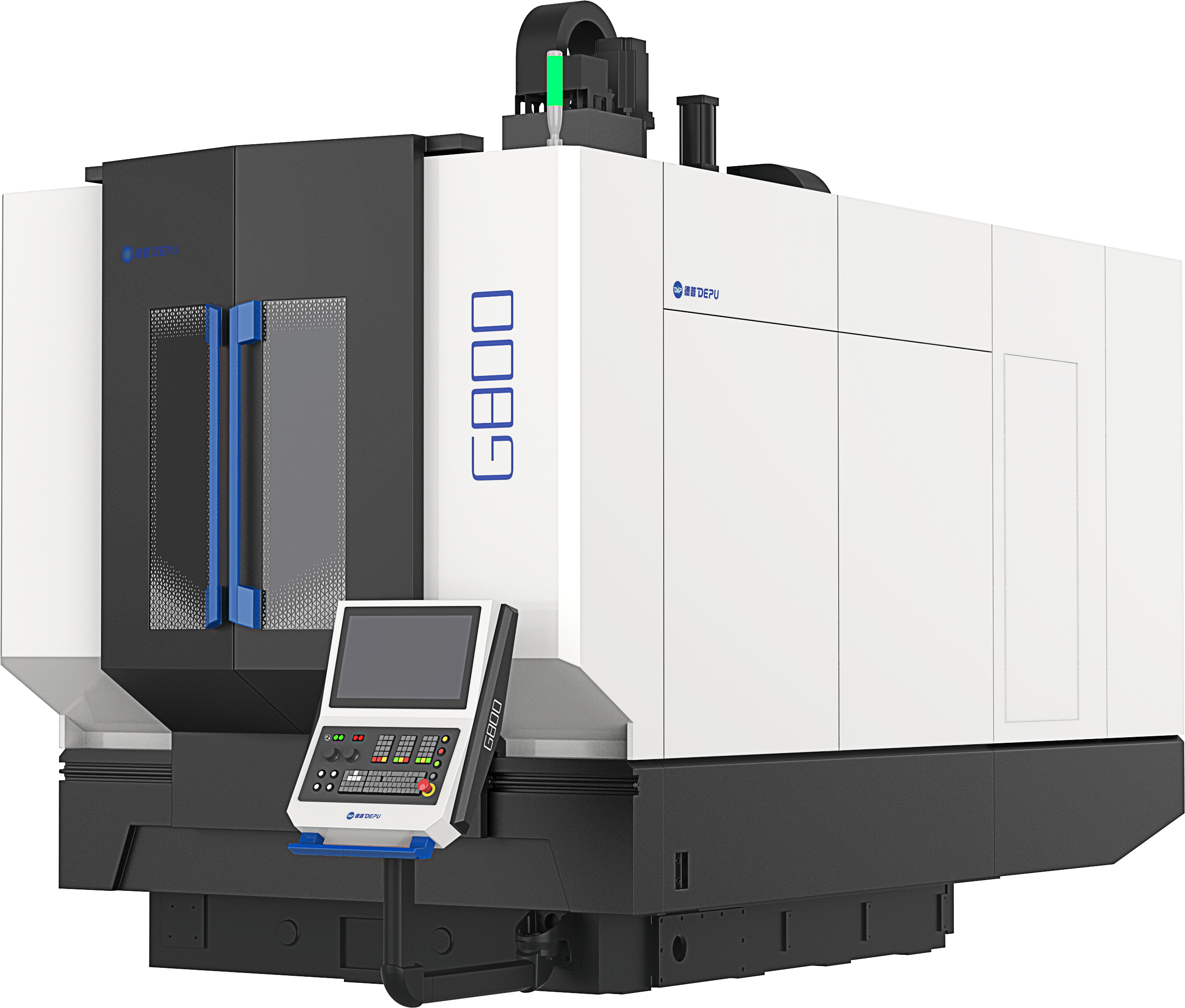
A leading Asian manufacturer (DEPU CNC Shenzhen Co Ltd) achieved 92% machine connectivity across 57 advanced 5-axis systems through their proprietary IoT architecture. Their smart factory initiative reduced unplanned downtime to 1.2 hours/month—68% below industry averages—while enabling remote job rescheduling across four global facilities.
Advanced Software and Sustainable Innovation in CNC Ecosystems
Next-gen CAM software reducing programming errors in 5-axis setups
Modern CAM systems integrate error-checking algorithms that automatically detect toolpath collisions and material incompatibilities, reducing setup errors by 55% compared to manual programming methods (SME, 2024), especially in configurations requiring complex angular machining.
Digital twins simulating machining processes pre-execution
Virtual replicas of machining workflows allow operators to validate cycle times and surface finishes before physical production begins. A major automaker recently cut prototype development costs by 28%, demonstrating how digital twins mitigate costly trial-and-error iterations.
Simulation-driven efficiency: Cutting material waste by up to 30% (Source: SME, 2024)
Advanced simulations analyze material stress patterns and optimize blank sizes, with the average aerospace shop reporting a 32% reduction in titanium waste. This aligns with ISO 14001 sustainability standards while maintaining ±0.001" tolerances critical for medical implants.
Eco-friendly coolant systems and energy-efficient 5 Axis CNC Machine designs
New minimum-quantity lubrication systems reduce coolant consumption by 75% compared to traditional flood cooling. Regenerative power systems in 5-axis CNC machines recover 18% of rotational energy during axis deceleration, cutting annual energy costs by $12k per machine (SME, 2024).
Localization and supply chain resilience: A strategic shift
Leading manufacturers are adopting regional microfactories equipped with 5-axis CNC machines to bypass global logistics bottlenecks. This distributed production model reduces lead times from 14 weeks to 6 days for critical industrial components, with 94% inventory turnover improvements reported in Q1 2025 benchmarks.
Frequently Asked Questions (FAQ)
What is a 5-axis CNC machine and how does it differ from a 3-axis CNC machine?
A 5-axis CNC machine allows for movement along five different axes simultaneously, enabling more complex geometries and reducing the need for multiple setups. In contrast, a 3-axis CNC machine can only move along three axes.
Why is real-time monitoring important in CNC machining?
Real-time monitoring allows for immediate feedback on machine performance, enabling adaptive control and reducing tool wear and energy consumption, ensuring higher efficiency and quality in productions.
How do AI and machine learning improve CNC machining operations?
AI and machine learning improve CNC machining by offering predictive maintenance, optimizing toolpath efficiencies, and aiding in the combination of automation and skilled machinist work for enhanced productivity and precision.
What are the benefits of using IoT-enabled sensors in CNC machines?
IoT-enabled sensors offer accurate monitoring of various machine parts and environmental conditions, facilitating adaptive control, decreasing downtime, and improving efficiency and resource management.
How does the integration of advanced materials impact CNC machining?
Advanced materials like Inconel 718 and CFRPs require precise machining capabilities offered by 5-axis CNC systems, allowing for single-stage setup, reducing waste, and enhancing production efficiency.