
The Misconception: Bigger Travel Means Greater Capability
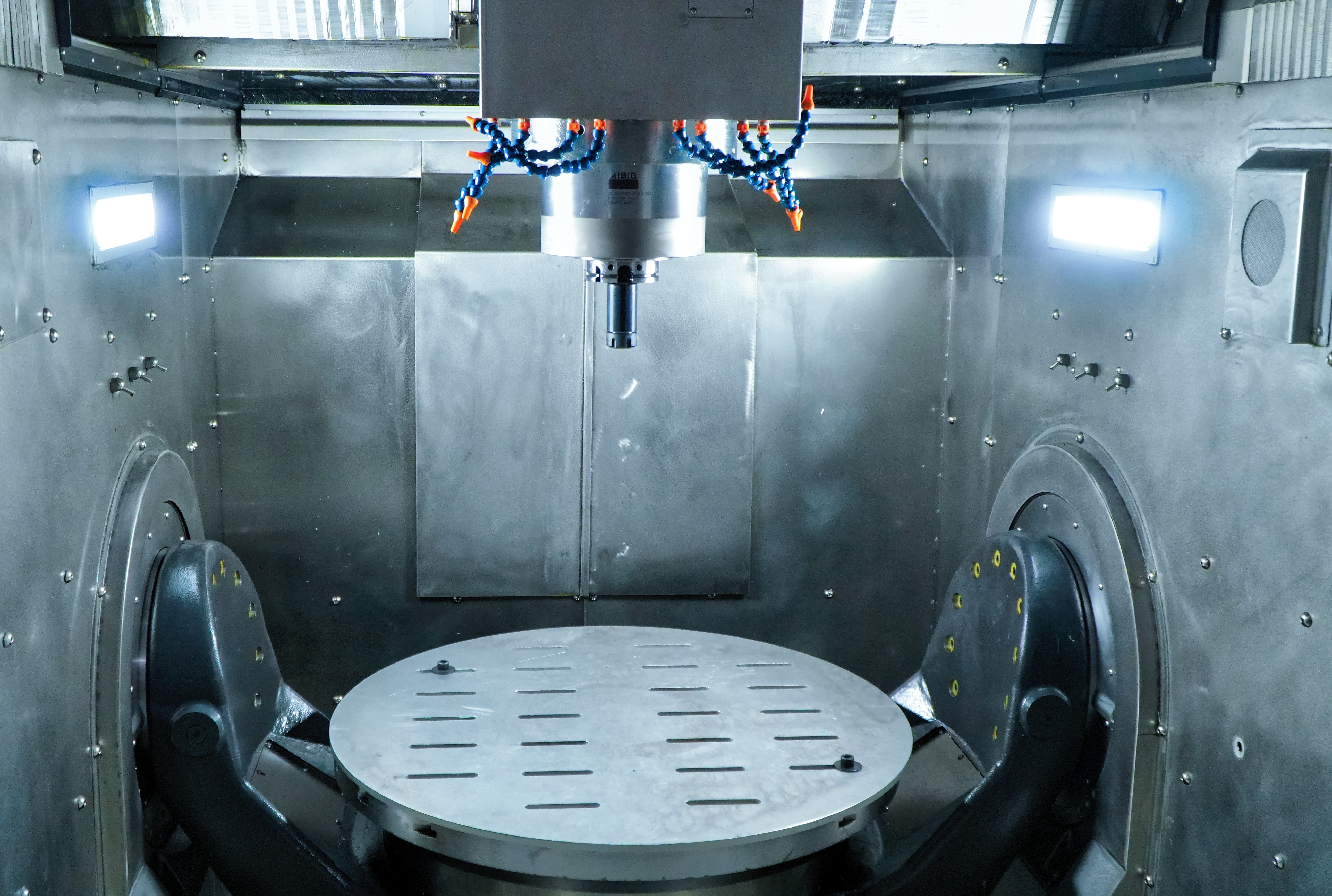
When manufacturers evaluate large CNC machines, the first specification often considered is travel range. While long X, Y, and Z travel allows larger parts to fit within the workspace, it does not automatically guarantee stable machining performance.
In reality, machining large aerospace components requires much more than expanded working envelopes. Structural rigidity, load capacity, and dynamic stability determine whether the machine can maintain micron-level precision across large workpieces.
For aerospace manufacturers producing structural frames, turbine housings, or landing gear components, machine architecture becomes far more important than travel numbers alone.
Structural Rigidity: The Foundation of Large-Part Machining
Large aerospace parts often weigh several tons and require significant cutting forces during machining. Without sufficient structural rigidity, machine deflection becomes inevitable.
When machining large aerospace components, the machine structure must absorb heavy cutting loads while maintaining axis alignment. High-rigidity CNC machines typically incorporate:
-
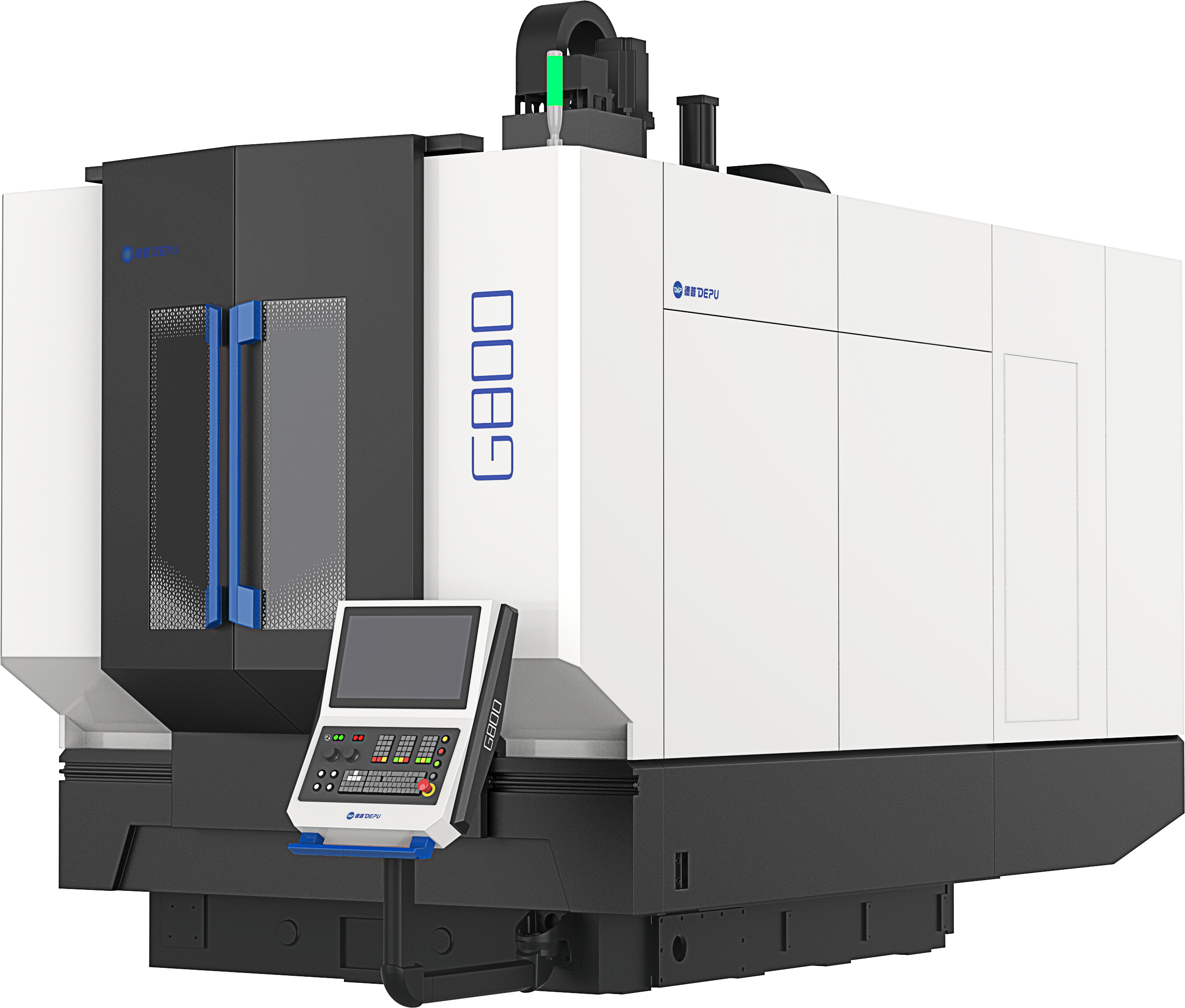
Massive cast iron machine beds
-
Reinforced gantry or bridge structures
-
Wide-span guideway layouts
-
High-load rotary tables
These features ensure that the machine maintains positional stability even when machining large titanium or high-strength aluminum aerospace components.
Rigidity, not travel range, defines real machining capability.
Load Capacity and Rotary Axis Strength
Large aerospace components frequently require multi-axis machining to access complex surfaces and internal features. This places significant demands on rotary axes and worktables.
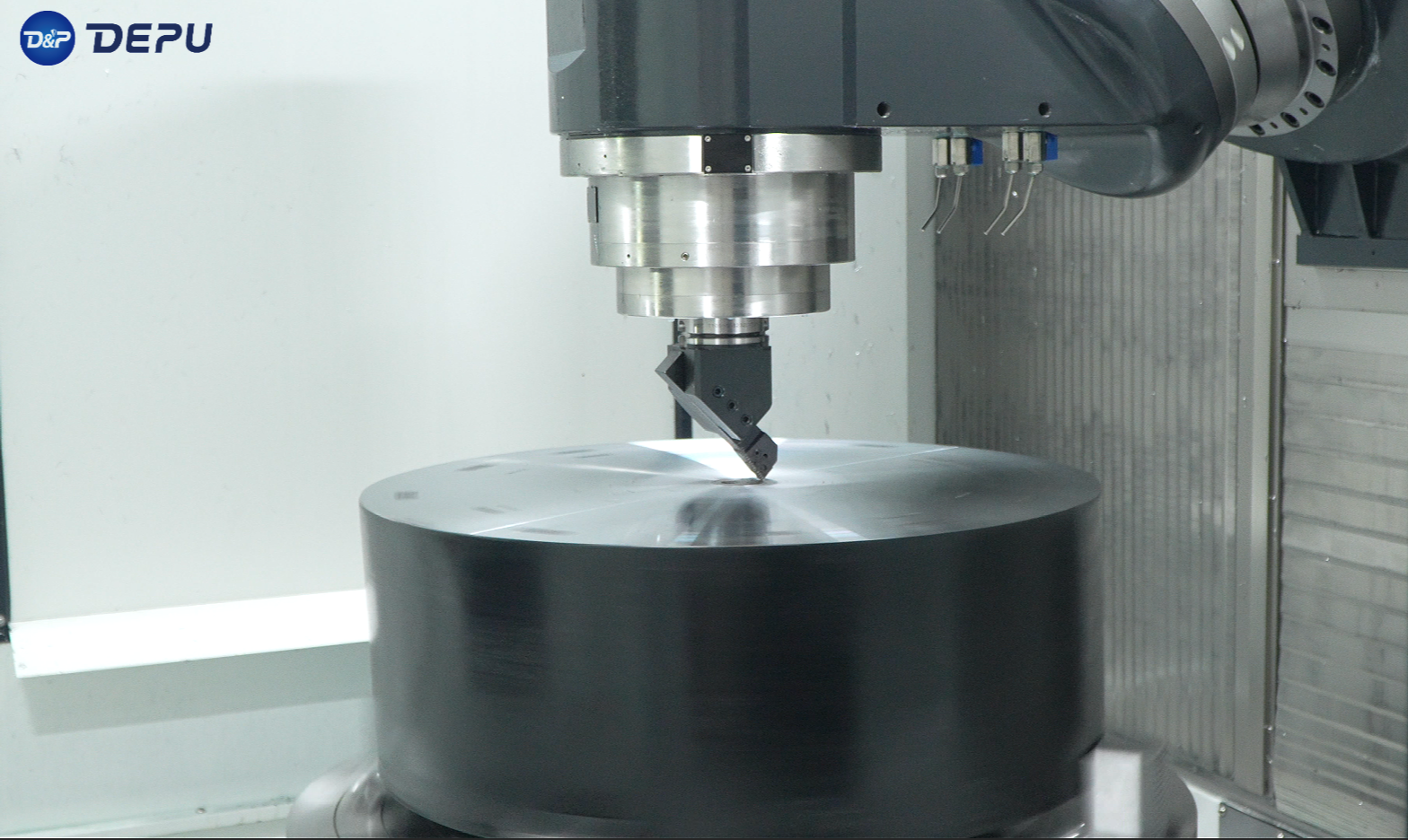
During machining large aerospace components, the rotary table must support heavy workpieces while maintaining high positioning accuracy. Weak rotary structures can introduce micro-deviations that accumulate across large geometries.
Heavy-duty 5-axis machining systems therefore rely on:
-
High-torque rotary drives
-
Large-diameter rotary bearings
-
High load-capacity trunnion or rotary tables
-
Reinforced axis supports
These mechanical systems ensure stable positioning during multi-axis interpolation.
Thermal Stability Across Large Structures
Thermal expansion has a greater effect on large machines than smaller ones. Even small temperature changes can introduce measurable dimensional errors across long machine axes.
In the context of machining large aerospace components, thermal stability becomes a critical engineering requirement.
Modern large-part CNC machining platforms address this challenge through:
-
Symmetrical structural design
-
Integrated thermal compensation systems
-
Temperature-stable spindle assemblies
-
Controlled coolant circulation
These measures help maintain consistent positioning accuracy across long machining cycles.
Dynamic Stability During Heavy Cutting
Large aerospace components often require deep cutting passes, particularly when roughing titanium or high-strength alloys. Heavy cutting forces generate vibration that can degrade surface quality and dimensional accuracy.
For machining large aerospace components, machine builders must design systems capable of suppressing vibration under load.
Key engineering solutions include:
-
wide roller-type linear guideways
-
optimized machine mass distribution
-
high-damping machine structures
-
high-torque spindle systems
Dynamic stability allows heavy-duty 5-axis machining systems to maintain consistent cutting performance even during aggressive roughing operations.
Spindle Power and Torque Requirements
Large aerospace components require powerful spindles capable of maintaining cutting efficiency across long machining cycles.
In many aerospace structural machining applications, high torque at lower spindle speeds is more important than maximum RPM.
Machines designed for machining large aerospace components often include:
-
high-torque spindle motors
-
stable bearing assemblies
-
vibration-resistant spindle housings
-
consistent thermal control
These features allow stable machining of titanium, Inconel, and aerospace-grade aluminum alloys.
Precision Across Large Workpieces
Maintaining precision across large structures is significantly more difficult than machining small parts. Dimensional errors accumulate over long distances, and structural deformation can affect tool positioning.
During machining large aerospace components, high-resolution positioning systems are essential. These systems often incorporate:
-
linear scales for direct axis measurement
-
high-precision servo control systems
-
advanced CNC compensation algorithms
Together, these technologies allow large machines to maintain accurate positioning even across extended travel distances.
Why Machine Architecture Matters Most
Ultimately, the real capability of a large CNC machine is determined by architecture rather than specifications.
While travel range determines maximum part size, the ability to perform reliable machining large aerospace components depends on structural engineering, load capacity, thermal control, and dynamic stability.
Manufacturers selecting equipment for aerospace production should evaluate machine structure carefully rather than focusing solely on workspace dimensions.
Precision in large-part machining begins with machine design.
Conclusion
Large aerospace components demand machining systems capable of maintaining precision under heavy loads and complex cutting conditions.
Although travel range determines the maximum workpiece size, successful machining large aerospace components depends on structural rigidity, thermal stability, spindle power, and dynamic control.
Machines engineered with these principles provide the stability required for reliable aerospace structural machining and long-term production performance.
FAQ
1. Why is travel range not enough for machining large aerospace components?
Travel range only determines the maximum workpiece size. Structural rigidity and machine stability determine whether accurate machining can be maintained across the entire part.
2. What machine structure is best for large aerospace machining?
Gantry or bridge-type machines with high structural rigidity are commonly used for machining large aerospace components.
3. Why is thermal stability important in large CNC machines?
Temperature changes can cause structural expansion across long axes, affecting machining accuracy and dimensional consistency.
4. What materials are commonly used in large aerospace machining?
Titanium alloys, high-strength aluminum alloys, and nickel-based superalloys are widely used in aerospace structural components.