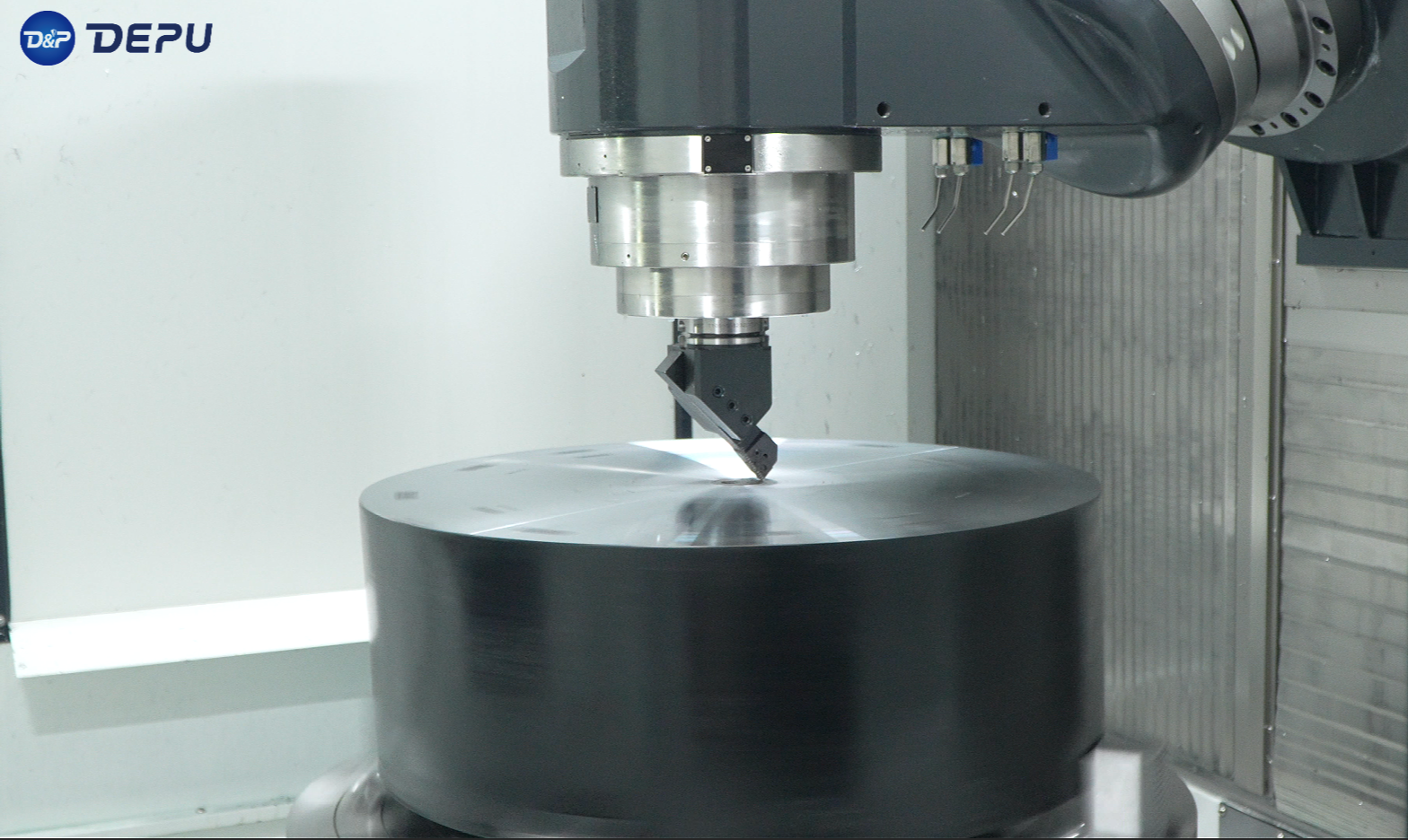

How Machine Structure Influences Vibration Control in 5-Axis CNC Machining
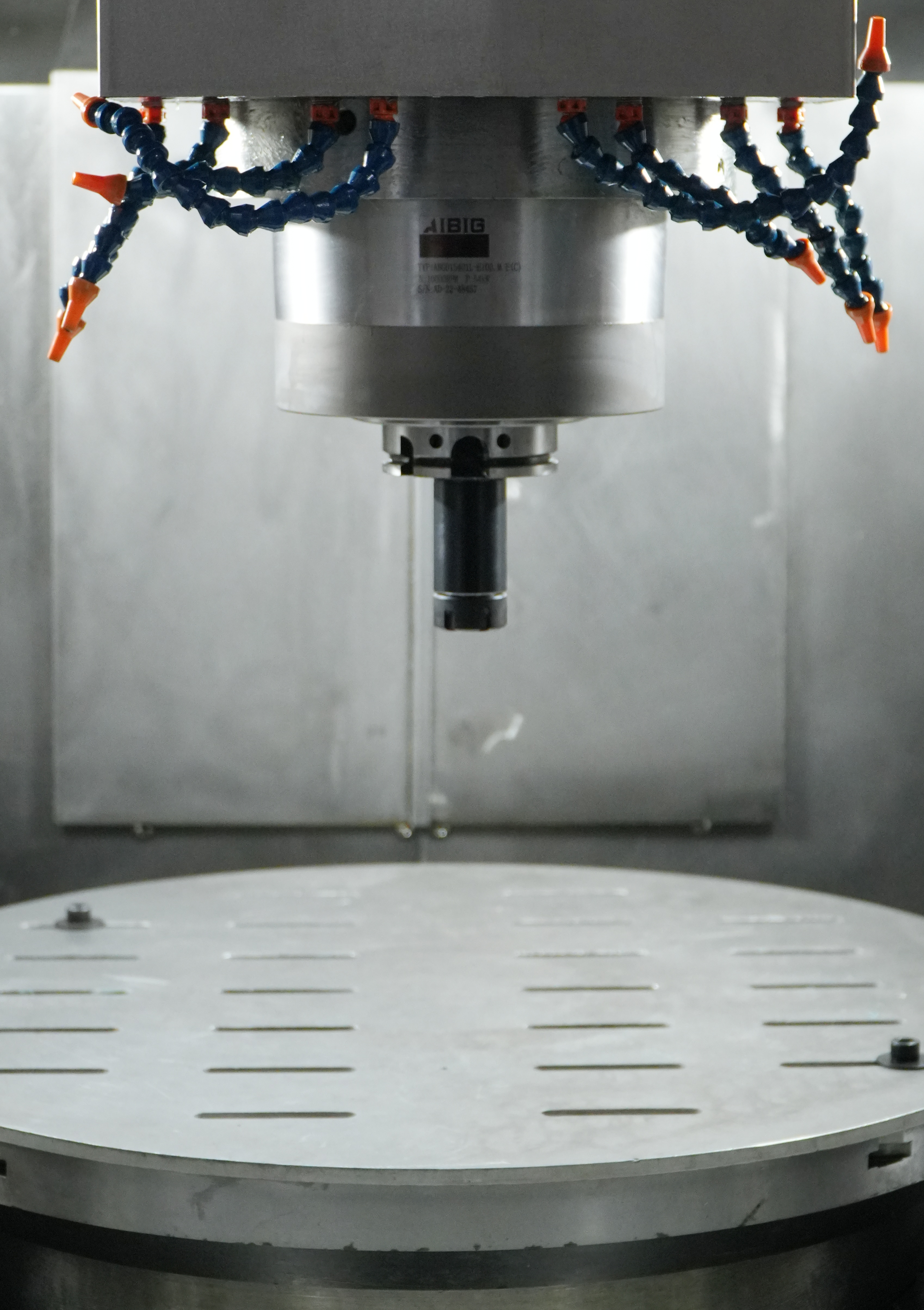
Introduction: Vibration—The Hidden Limitation of Precision
In 5 axis CNC machining, achieving stable micron level machining is often limited not by programming or tooling, but by vibration. Even small levels of vibration can reduce surface quality, shorten tool life, and compromise 5 axis machining accuracy.
At the core of effective vibration control CNC is machine structure CNC. A well-engineered structure determines how forces are transmitted, absorbed, and dampened throughout the machine. Without proper structural design, achieving consistent high precision machining becomes extremely difficult.
1. Machine Structure CNC: The Foundation of Vibration Control
Machine structure CNC defines how the machine responds to cutting forces and dynamic loads.
A robust structure:
- Distributes cutting forces evenly
- Minimizes structural deformation
- Enhances overall CNC machine rigidity
High CNC machine rigidity reduces the amplitude of vibration and provides a stable platform for precision CNC machining. Weak structures, by contrast, amplify vibration and reduce machining stability.
2. Dynamic Stability CNC: Managing Motion-Induced Vibration
In high-speed and multi-axis machining, dynamic stability CNC becomes critical. Rapid acceleration and complex toolpaths introduce dynamic forces that can trigger vibration.
Optimized machine structure CNC improves dynamic stability CNC by:
- Increasing structural stiffness
- Enhancing damping capacity
- Reducing resonance effects
This allows machines to maintain stable cutting conditions and achieve consistent micron level machining, even under aggressive machining parameters.
3. Vibration Control CNC and Cutting Stability CNC
Effective vibration control CNC directly impacts cutting stability CNC. Uncontrolled vibration leads to chatter, uneven cutting forces, and poor surface finish.
A structurally optimized machine:
- Absorbs and dampens vibration energy
- Maintains consistent tool-workpiece interaction
- Improves surface quality and dimensional accuracy
This is especially important in high precision machining, where even minor instability can affect final part performance.
4. Impact on 5 Axis Machining Accuracy
In 5 axis CNC machining, vibration effects are amplified due to simultaneous multi-axis movement.
Strong machine structure CNC enables:
- Stable tool positioning across multiple orientations
- Reduced cumulative vibration errors
- Improved 5 axis machining accuracy
This is critical for machining complex components such as aerospace parts and precision molds that require consistent micron level machining.
5. Machine Tool Structure Design and Damping Performance
Advanced machine tool structure design focuses not only on stiffness but also on damping characteristics.
Key design strategies include:
- Using materials with high damping capacity
- Optimizing structural geometry
- Minimizing overhang and unsupported mass
These improvements enhance dynamic stability CNC and ensure effective vibration control CNC during both roughing and finishing operations.
6. Long-Term Stability and Wear Reduction
Vibration does not only affect immediate machining results—it also impacts long-term machine performance.
Effective vibration control CNC provides:
- Reduced mechanical wear
- Longer tool life
- Consistent precision CNC machining over time
Machines with optimized machine structure CNC maintain micron level machining capability for longer periods, improving overall reliability.
Conclusion: Structure Determines Stability
In advanced manufacturing, machine structure CNC is the key factor in controlling vibration. It directly influences:
- Dynamic stability CNC
- CNC machine rigidity
- Cutting stability CNC
- 5 axis machining accuracy
Without proper structural design, vibration becomes a limiting factor that prevents achieving consistent high precision machining. A well-engineered structure ensures stable performance, better surface quality, and reliable micron level machining.
FAQ
1. Why is vibration control important in 5 axis CNC machining?
Vibration affects surface quality, tool life, and machining accuracy, making it critical for high-precision applications.
2. How does machine structure influence vibration?
Machine structure determines stiffness and damping, which control how vibration is generated and absorbed.
3. What is dynamic stability CNC?
Dynamic stability CNC refers to a machine’s ability to maintain stable motion under dynamic loads and high-speed conditions.
4. How does vibration affect cutting stability CNC?
Vibration disrupts cutting forces, leading to chatter, poor surface finish, and reduced machining accuracy.
5. Can better machine structure improve long-term performance?
Yes. Improved structure reduces wear, enhances stability, and helps maintain consistent machining accuracy over time.