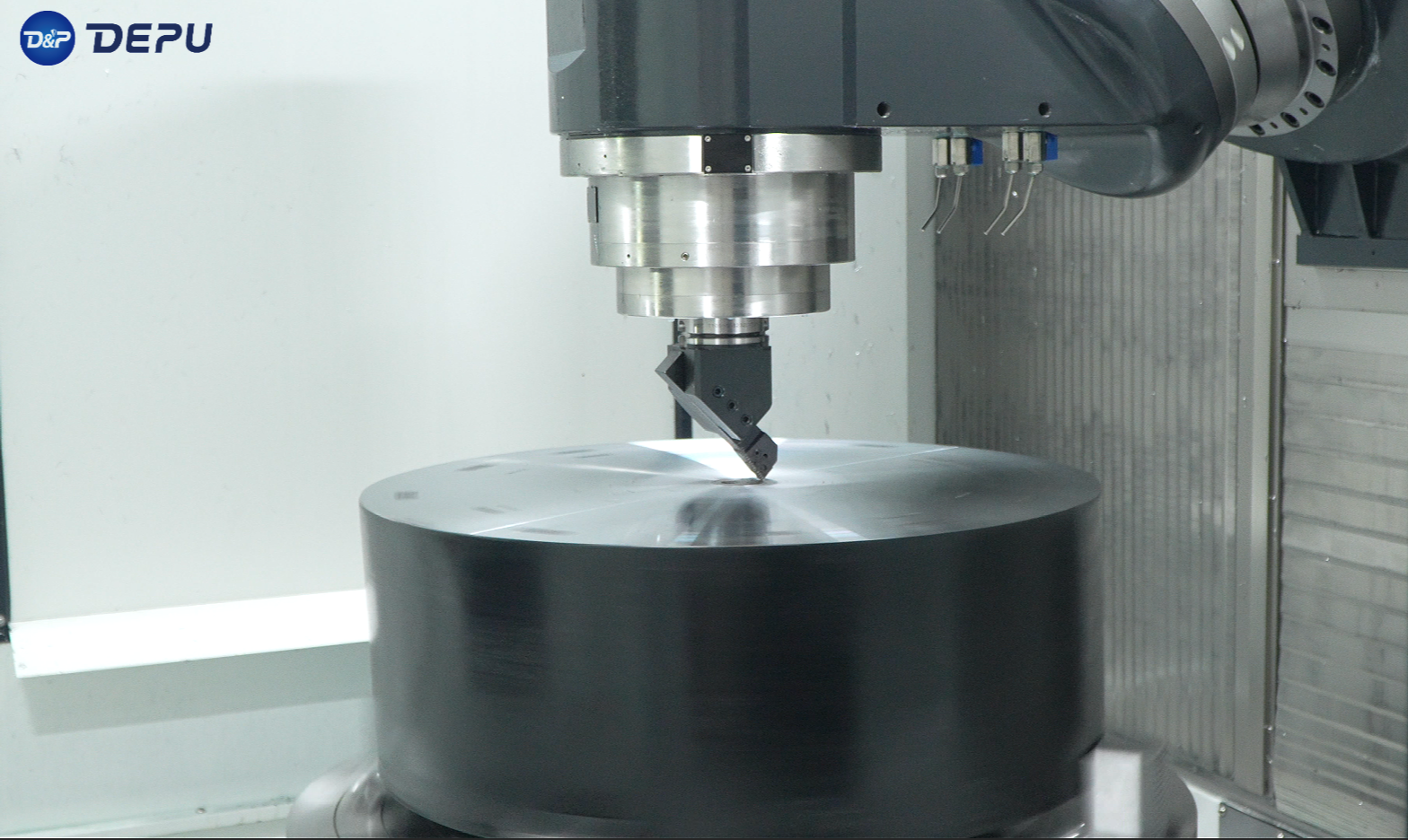

What Causes Dimensional Drift in Long CNC Machining Cycles
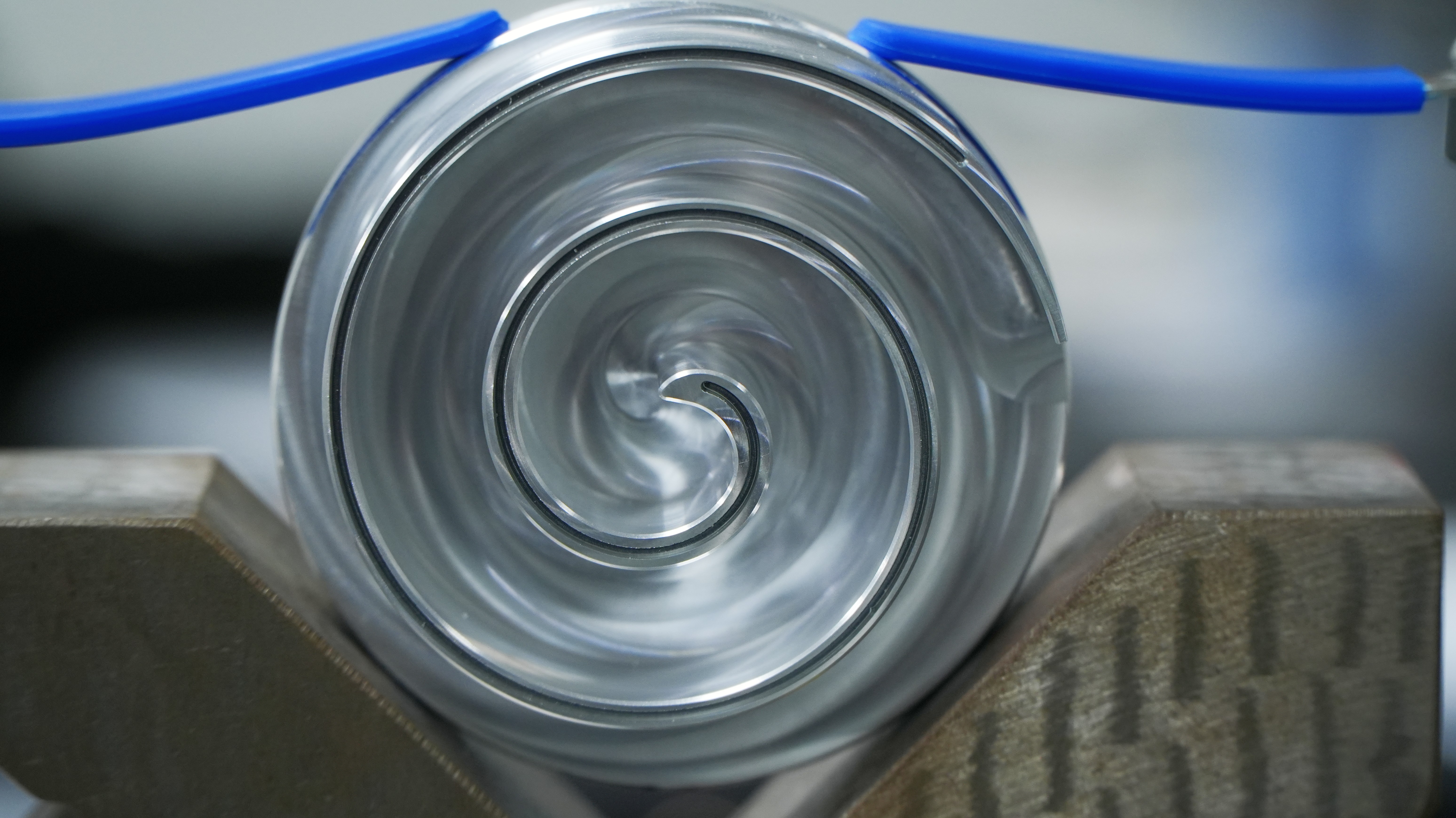
Introduction: When Accuracy Changes Over Time
In long cycle machining, maintaining consistent accuracy is one of the biggest challenges. A part may start within tolerance, but gradually deviate as machining continues. This phenomenon is known as dimensional drift CNC.
For manufacturers targeting micron level machining, even small variations can result in out-of-spec parts, leading to scrap or rework. Understanding the root causes of dimensional drift CNC is essential for achieving stable precision CNC machining over extended periods.
1. Thermal Stability CNC: The Primary Cause of Drift
The most significant contributor to dimensional drift CNC is thermal variation.
During long machining cycles:
- Spindles, motors, and bearings generate heat
- Ambient temperature may fluctuate
- Heat accumulates unevenly within the structure
Poor thermal stability CNC leads to expansion and deformation at the micron level, directly affecting micron level machining accuracy.
Machines with optimized thermal stability CNC use:
- Symmetrical structural design
- Controlled heat distribution
- Cooling systems for key components
These features reduce thermal drift and improve long-term accuracy.
2. Machine Geometry CNC: Gradual Geometric Deviation
Machine geometry CNC can change over time due to thermal effects and mechanical stress.
In long operations:
- Axis alignment may shift slightly
- Geometric relationships between axes change
- Positioning accuracy degrades
Even small changes in machine geometry CNC can accumulate, leading to noticeable dimensional drift CNC in high precision machining.
3. Dynamic Stability CNC: Vibration-Induced Variations
Dynamic stability CNC also plays a role in dimensional drift, especially during high-speed or heavy cutting.
Unstable dynamics can cause:
- Micro-vibrations affecting tool position
- Inconsistent cutting forces
- Surface and dimensional variation
Poor dynamic stability CNC makes it difficult to maintain consistent precision CNC machining over long cycles.
4. CNC Machine Rigidity and Structural Deformation
Insufficient CNC machine rigidity can lead to gradual deformation under continuous load.
Factors include:
- Cutting forces over extended periods
- Heavy workpieces
- Structural fatigue
Low CNC machine rigidity increases susceptibility to dimensional drift CNC, reducing reliability in micron level machining.
5. Tool Wear and Cutting Conditions
Although often overlooked, tooling also contributes to dimensional drift.
During long machining cycles:
- Tools gradually wear
- Cutting forces change
- Heat generation increases
These changes affect precision CNC machining and can amplify dimensional drift CNC, especially when combined with poor cutting stability.
6. Environmental and External Factors
External conditions can also influence dimensional drift CNC.
Examples include:
- Ambient temperature changes
- Machine foundation stability
- Coolant temperature variation
Without proper control, these factors reduce thermal stability CNC and impact overall high precision machining performance.
7. Machine Tool Structure Design and Drift Resistance
Advanced machine tool structure design is essential for minimizing drift.
Well-designed machines offer:
- High structural symmetry
- Stable thermal behavior
- Strong resistance to deformation
This ensures consistent machine geometry CNC and improved micron level machining stability during long operations.
Conclusion: Stability Over Time Defines Precision
In long cycle machining, accuracy is not just about initial performance—it must be sustained. Dimensional drift CNC is caused by a combination of:
- Poor thermal stability CNC
- Changes in machine geometry CNC
- Weak dynamic stability CNC
- Insufficient CNC machine rigidity
Controlling these factors is essential for achieving reliable precision CNC machining and maintaining consistent micron level machining throughout extended production cycles.
FAQ
1. What is dimensional drift in CNC machining?
Dimensional drift refers to gradual changes in part dimensions during long machining cycles due to thermal, mechanical, and environmental factors.
2. What is the main cause of dimensional drift CNC?
Thermal effects are the primary cause, as heat leads to expansion and deformation in machine components.
3. How does thermal stability CNC reduce drift?
It minimizes temperature-related deformation, helping maintain consistent machining accuracy over time.
4. Can machine geometry CNC change during machining?
Yes. Thermal and mechanical factors can cause slight shifts in geometry, affecting accuracy.
5. How can dimensional drift be controlled?
By improving machine structure, controlling temperature, optimizing cutting conditions, and maintaining stability throughout the machining process.