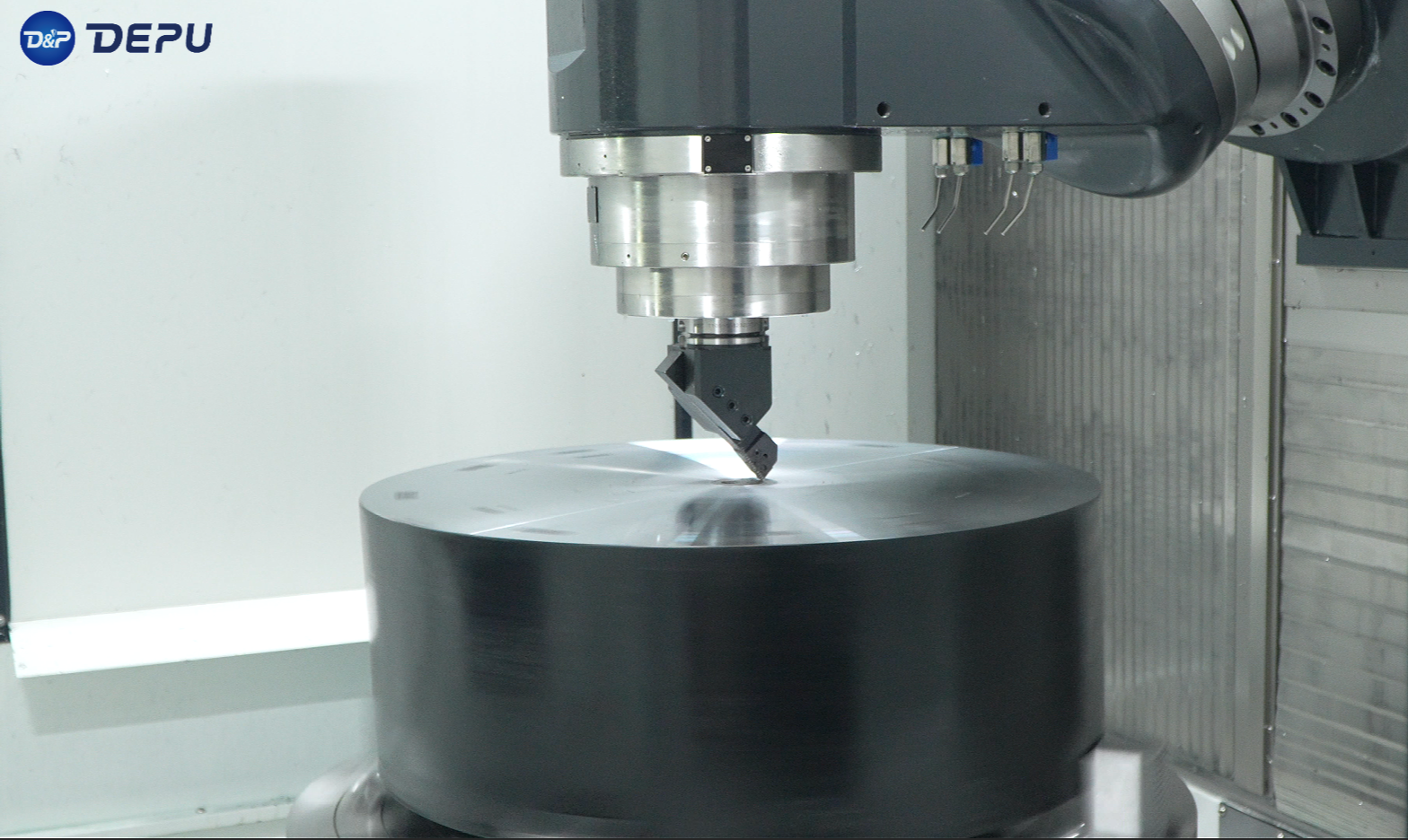

Why Consistent Machine Geometry Is Critical for Complex Surface Machining
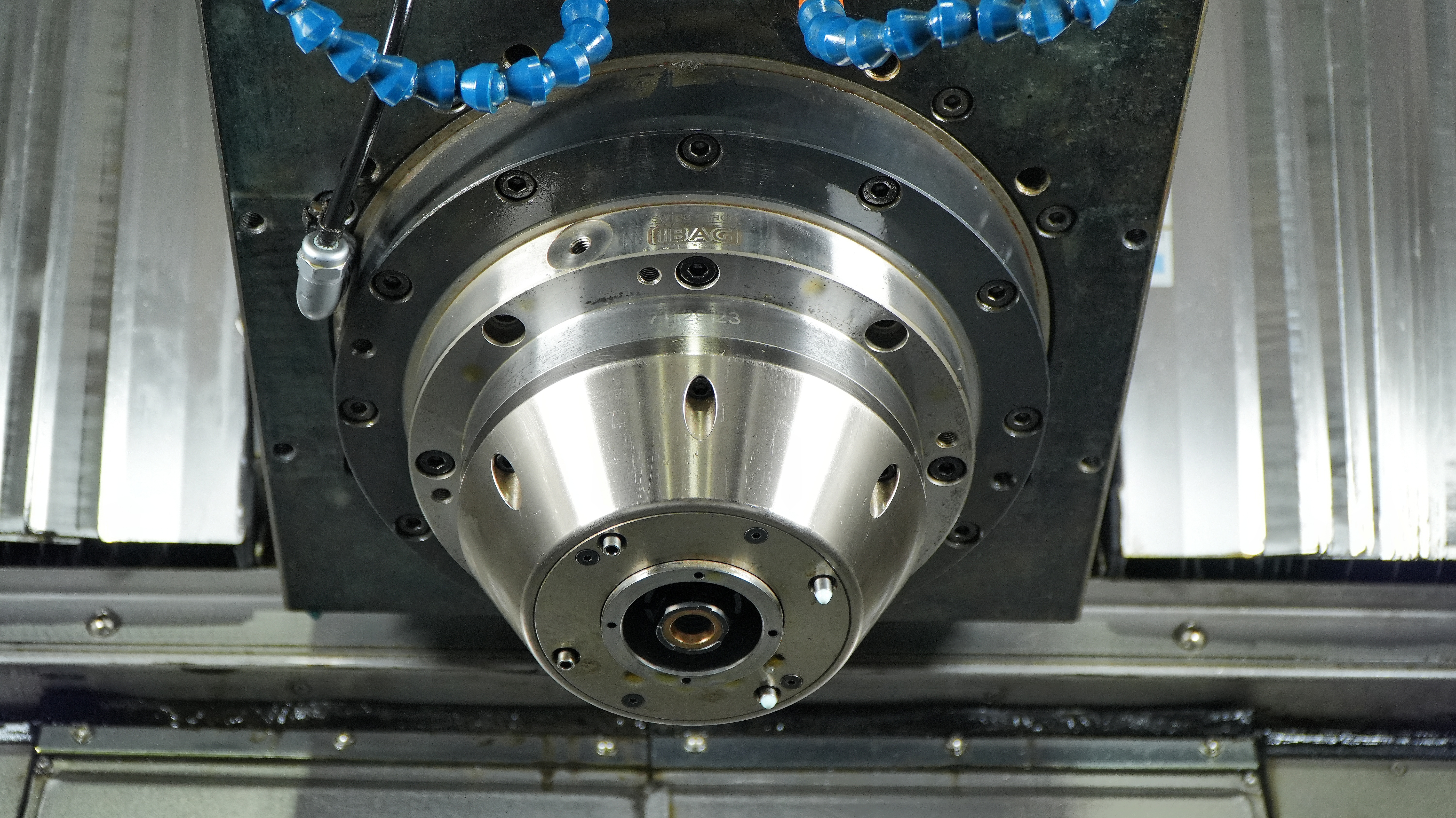
Introduction: Geometry Defines Accuracy Boundaries
In complex surface machining, achieving consistent results depends on more than just toolpaths and programming. The underlying factor that determines success is machine geometry CNC, particularly the ability to maintain consistent machine geometry over time.
Even small geometric deviations can lead to visible surface errors, mismatches between adjacent toolpaths, and loss of micron level machining accuracy. For industries such as aerospace, medical, and mold manufacturing, maintaining stable geometry is essential for high-quality precision CNC machining.
1. What Is Machine Geometry CNC?
Machine geometry CNC refers to the spatial relationship between machine axes, including straightness, squareness, and alignment.
Key geometric factors include:
- Axis perpendicularity
- Linear positioning accuracy
- Rotary axis alignment
- Kinematic chain accuracy
Maintaining consistent machine geometry ensures that programmed toolpaths are accurately translated into physical motion, which is fundamental for complex surface machining.
2. Consistent Machine Geometry and Micron Level Machining
Achieving micron level machining requires extremely tight geometric control. Any variation in geometry directly affects part accuracy.
Stable machine geometry CNC ensures:
- Accurate tool positioning
- Repeatable machining results
- Minimal deviation across long machining cycles
Without consistent machine geometry, even advanced systems cannot maintain the precision required for high precision machining.
3. Impact on 5 Axis Machining Accuracy
In 5 axis machining, geometric consistency becomes even more critical due to multi-axis interaction.
Maintaining consistent machine geometry enables:
- Accurate tool orientation across all axes
- Reduced cumulative kinematic errors
- Improved 5 axis machining accuracy
For complex parts such as turbine blades and freeform surfaces, even slight geometric misalignment can lead to significant errors in final geometry.
4. Relationship with CNC Machine Rigidity and Dynamic Stability CNC
While CNC machine rigidity and dynamic stability CNC are essential, they must work together with stable geometry.
- CNC machine rigidity prevents deformation under load
- Dynamic stability CNC controls vibration and motion behavior
- Machine geometry CNC ensures positional accuracy
If geometry is inconsistent, even a rigid and dynamically stable machine cannot achieve reliable precision CNC machining results.
5. Machine Tool Structure Design and Geometric Stability
Advanced machine tool structure design plays a crucial role in maintaining geometry.
Key design considerations include:
- Symmetrical structural layout
- Thermal stability to prevent geometric drift
- High-precision assembly and calibration
These factors ensure long-term consistent machine geometry, enabling stable micron level machining even under demanding conditions.
6. Challenges in Complex Surface Machining
Complex surface machining involves continuous tool movement across curved and freeform geometries. This makes the process highly sensitive to geometric errors.
Inconsistent geometry can cause:
- Surface waviness or mismatch
- Toolpath deviation
- Reduced surface quality
Maintaining machine geometry CNC is therefore essential for achieving smooth, accurate surfaces in precision CNC machining.
7. Long-Term Accuracy and Reliability
Over time, wear, thermal effects, and environmental conditions can affect machine geometry.
Maintaining consistent machine geometry ensures:
- Long-term accuracy stability
- Reduced need for recalibration
- Reliable high precision machining performance
This is critical for manufacturers producing high-value, precision components.
Conclusion: Geometry Is the Foundation of Surface Quality
In complex surface machining, consistent results depend on stable and accurate machine geometry. Consistent machine geometry directly impacts:
- Micron level machining
- 5 axis machining accuracy
- Precision CNC machining quality
Without it, even the most advanced machining strategies cannot deliver reliable results. Ensuring geometric stability is therefore a fundamental requirement for modern high precision machining.
FAQ
1. What is machine geometry in CNC machining?
Machine geometry refers to the alignment and spatial relationships between machine axes, affecting positioning accuracy and overall precision.
2. Why is consistent machine geometry important?
It ensures that toolpaths are executed accurately, which is critical for maintaining machining precision and surface quality.
3. How does machine geometry affect complex surface machining?
Inconsistent geometry can cause surface errors, mismatches, and deviations in freeform and multi-surface machining.
4. Does machine geometry impact 5 axis machining accuracy?
Yes. Accurate geometry is essential for proper multi-axis coordination and minimizing cumulative errors.
5. How can machine geometry be maintained over time?
Through robust machine design, thermal control, and regular calibration, consistent geometry can be preserved for long-term precision.