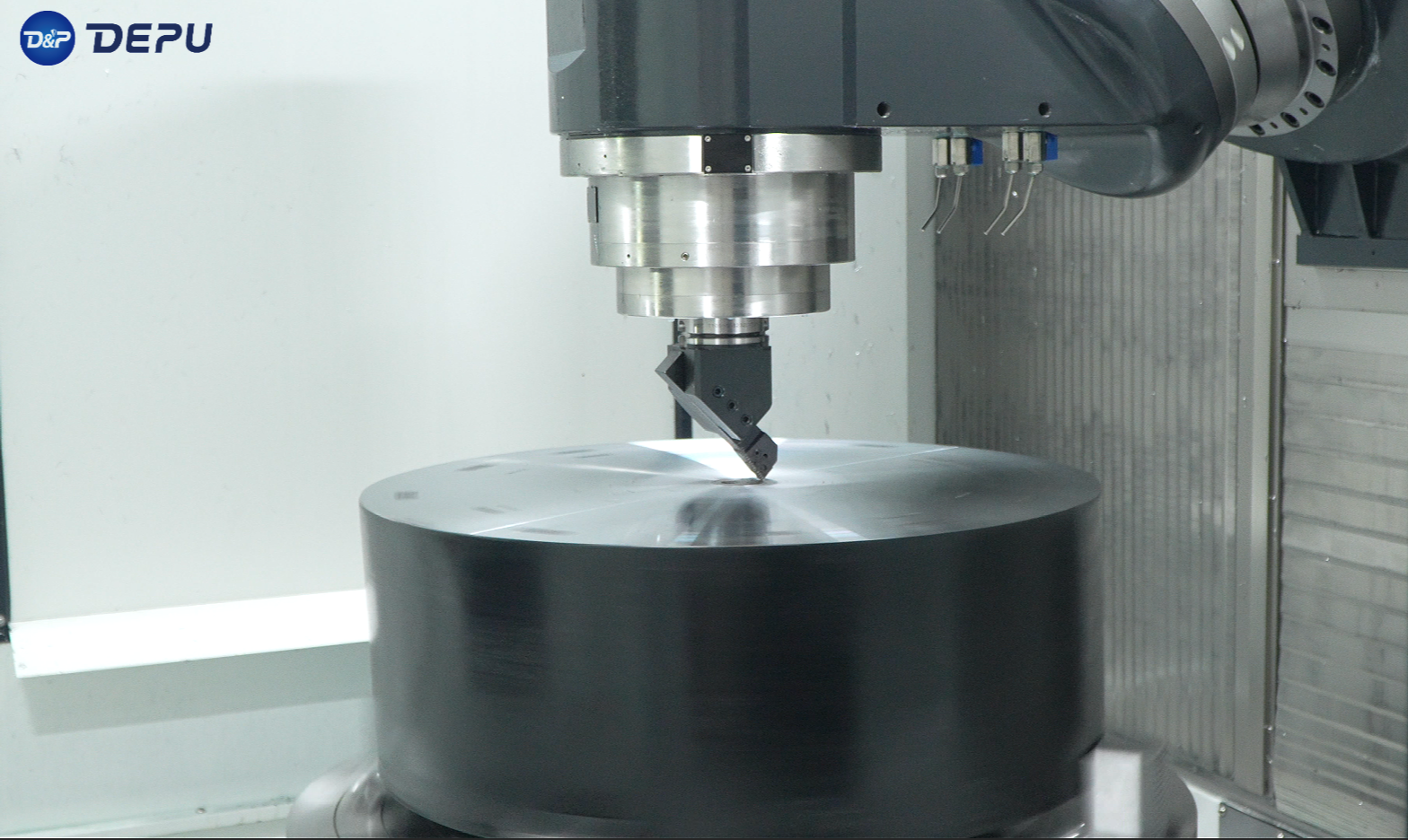

Why Advanced Machine Structures Are Critical for Micron-Level Machining
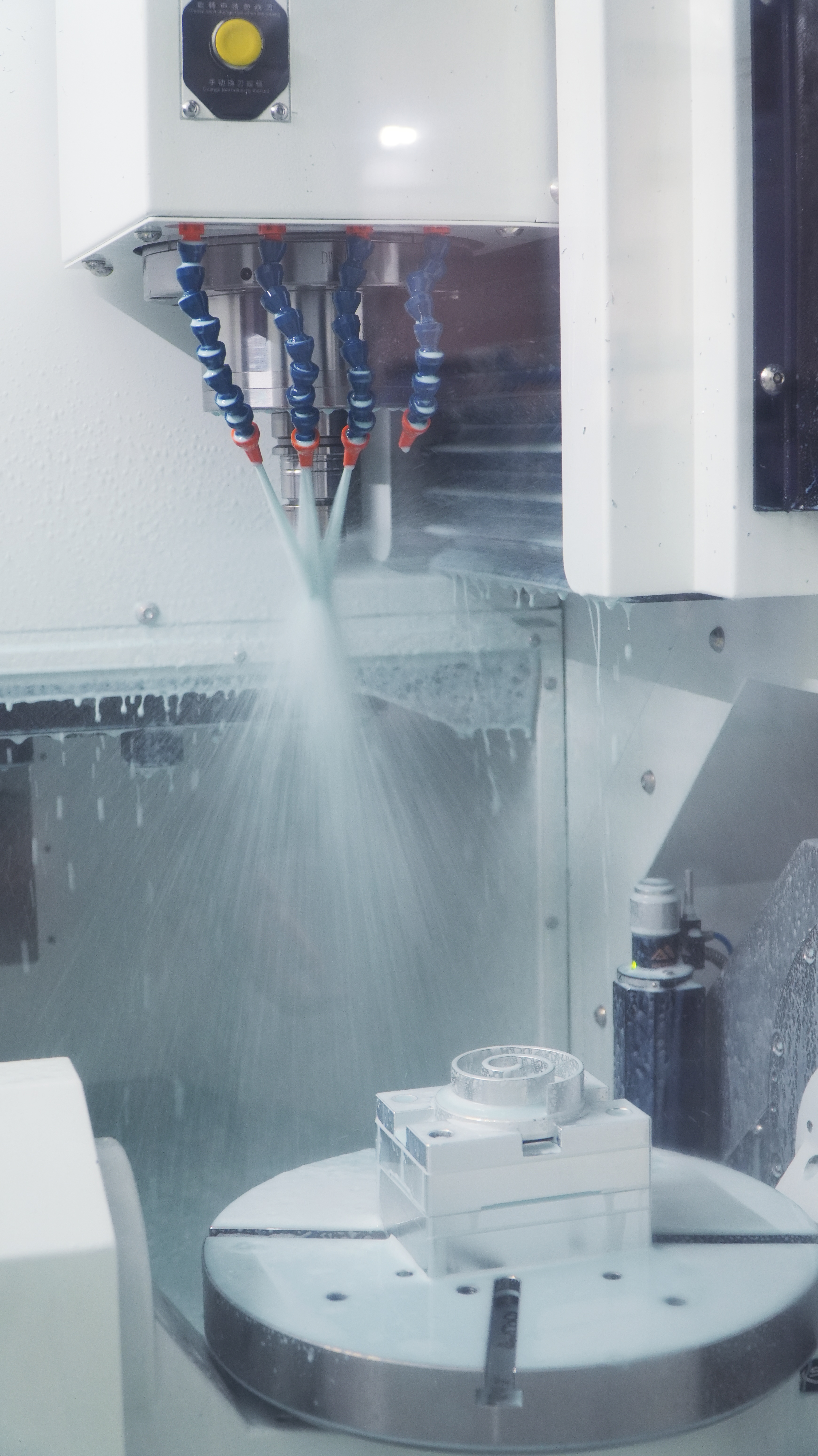
Introduction: Structure Determines Precision Limits
In modern manufacturing, micron level machining has become essential across industries such as aerospace, medical devices, and precision engineering. While many factors contribute to accuracy, the machine structure is the foundation that defines the upper limit of performance.
Even with advanced control systems and optimized toolpaths, insufficient CNC machine rigidity or poor thermal stability CNC design will inevitably lead to deformation, vibration, and inconsistent results. This is why advanced machine structure is not optional—it is critical.
1. CNC Machine Rigidity: The Core of Micron Level Machining
Achieving micron level machining requires a structure that can resist deformation under cutting forces, acceleration, and part weight.
High-performance machines are designed with:
-
High-mass castings or optimized structural layouts
-
Short and direct force transmission paths
-
Reinforced load-bearing components
Strong CNC machine rigidity ensures that tool positioning remains stable, even during aggressive cutting or complex 5-axis movements. Without sufficient rigidity, maintaining 5 axis machining accuracy becomes impossible.
2. Thermal Stability CNC: Controlling Micron-Level Deformation
Thermal variation is one of the most critical challenges in high precision machining. Even slight temperature changes can cause expansion that directly affects part accuracy.
Advanced structures improve thermal stability CNC through:
-
Symmetrical machine design
-
Controlled heat distribution
-
Integrated cooling systems
By reducing thermal drift, machines can maintain consistent micron level machining results during long production cycles. This is especially important for industries requiring repeatable precision.
3. Dynamic Stability CNC: Managing Vibration at High Speed
In high-speed machining, dynamic stability CNC becomes a key factor. Vibration and chatter can significantly reduce surface quality and dimensional accuracy.
Advanced machine structures enhance dynamic stability CNC by:
-
Increasing damping capacity
-
Using high-stiffness guideways and bearings
-
Optimizing moving mass distribution
This ensures smoother motion, better surface finishes, and improved tool life—all essential for stable precision CNC machining.
4. Machine Tool Structure Design in 5-Axis Machining
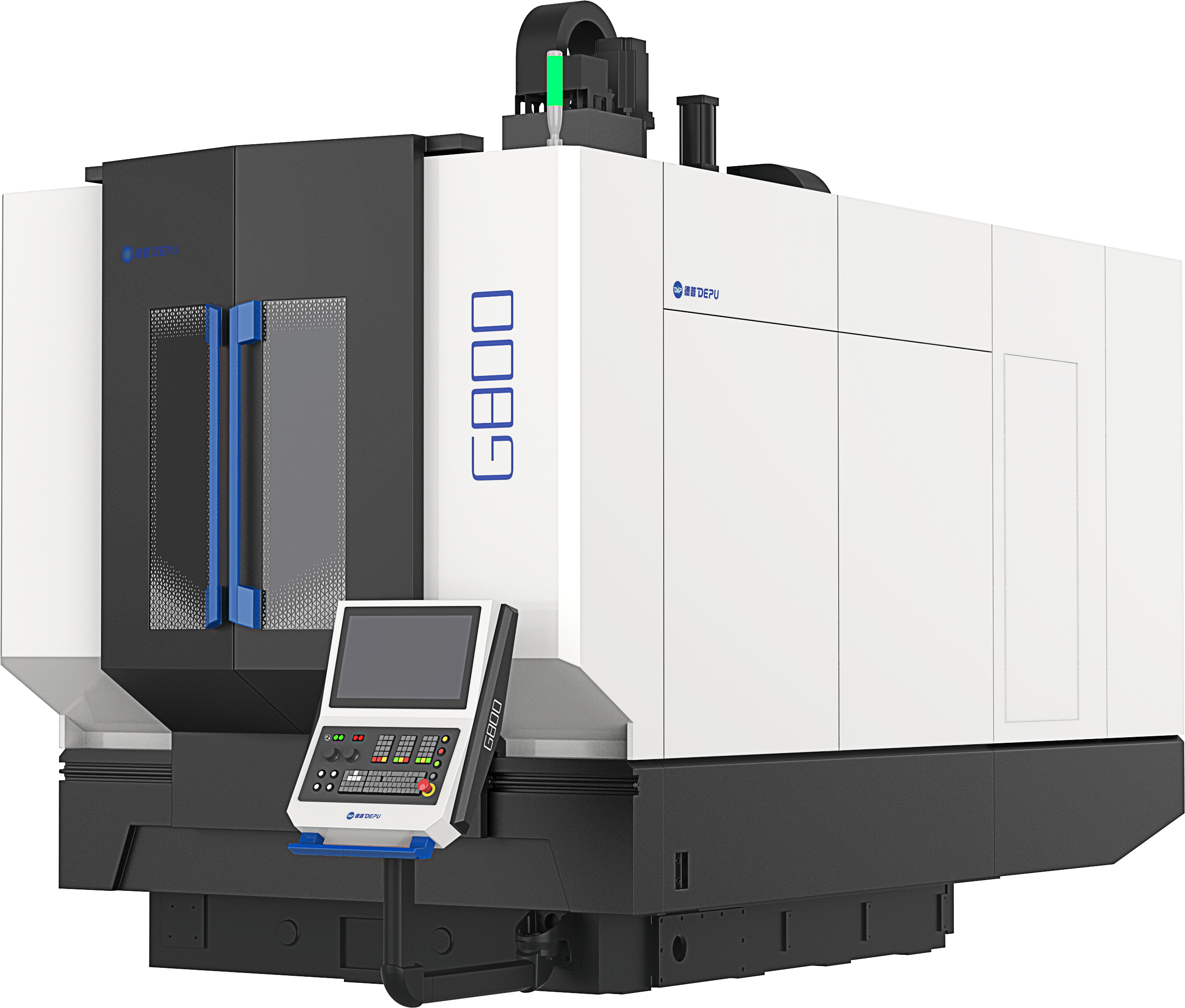
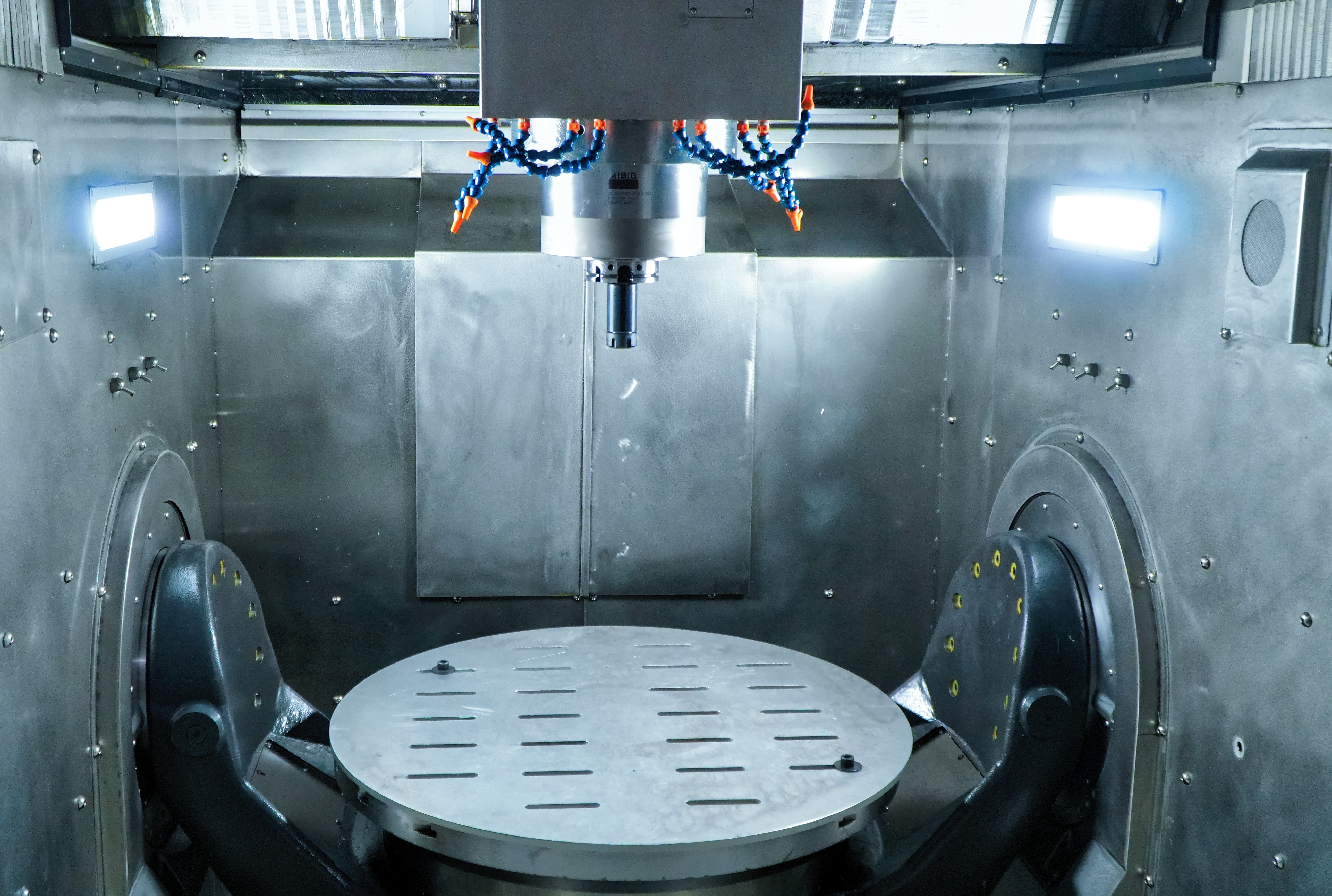
The complexity of 5 axis CNC machine structure introduces additional challenges. Multi-axis motion amplifies any structural weakness, leading to cumulative positioning errors.
Optimized machine tool structure design enables:
-
Accurate multi-axis coordination
-
Reduced kinematic error accumulation
-
Stable machining of complex geometries
This is essential for maintaining 5 axis machining accuracy in applications such as turbine blades, impellers, and precision molds.
5. Long-Term Stability in High Precision Machining
True high precision machining is not only about initial accuracy but also long-term performance. Over time, structural fatigue and environmental conditions can degrade machine accuracy.
Advanced structures ensure:
-
Long-term geometric stability
-
Reduced maintenance frequency
-
Consistent machining quality
For manufacturers, this means reliable precision CNC machining and lower lifecycle costs.
Conclusion: Structure Is the Foundation of Accuracy
No matter how advanced the software or control system is, the machine structure ultimately determines performance. Micron level machining, stable 5 axis machining accuracy, and reliable precision CNC machining all depend on a well-engineered structural foundation.
Investing in advanced machine structure is not just about improving accuracy—it is about ensuring long-term productivity, stability, and manufacturing excellence.
FAQ
1. Why is machine structure critical for micron level machining?
Machine structure directly affects rigidity, thermal stability, and vibration control, all of which determine whether micron level machining can be achieved consistently.
2. How does CNC machine rigidity affect accuracy?
Higher CNC machine rigidity reduces deformation under load, ensuring stable tool positioning and improved machining accuracy.
3. What is thermal stability CNC and why does it matter?
Thermal stability CNC refers to a machine’s ability to resist temperature-induced deformation, which is essential for maintaining dimensional accuracy.
4. What role does dynamic stability CNC play in machining?
Dynamic stability CNC helps reduce vibration and chatter, improving surface finish and maintaining precision during high-speed operations.
5. Why is machine tool structure design important in 5-axis machining?
A well-optimized machine tool structure design ensures accurate multi-axis coordination and minimizes cumulative positioning errors in complex machining tasks.