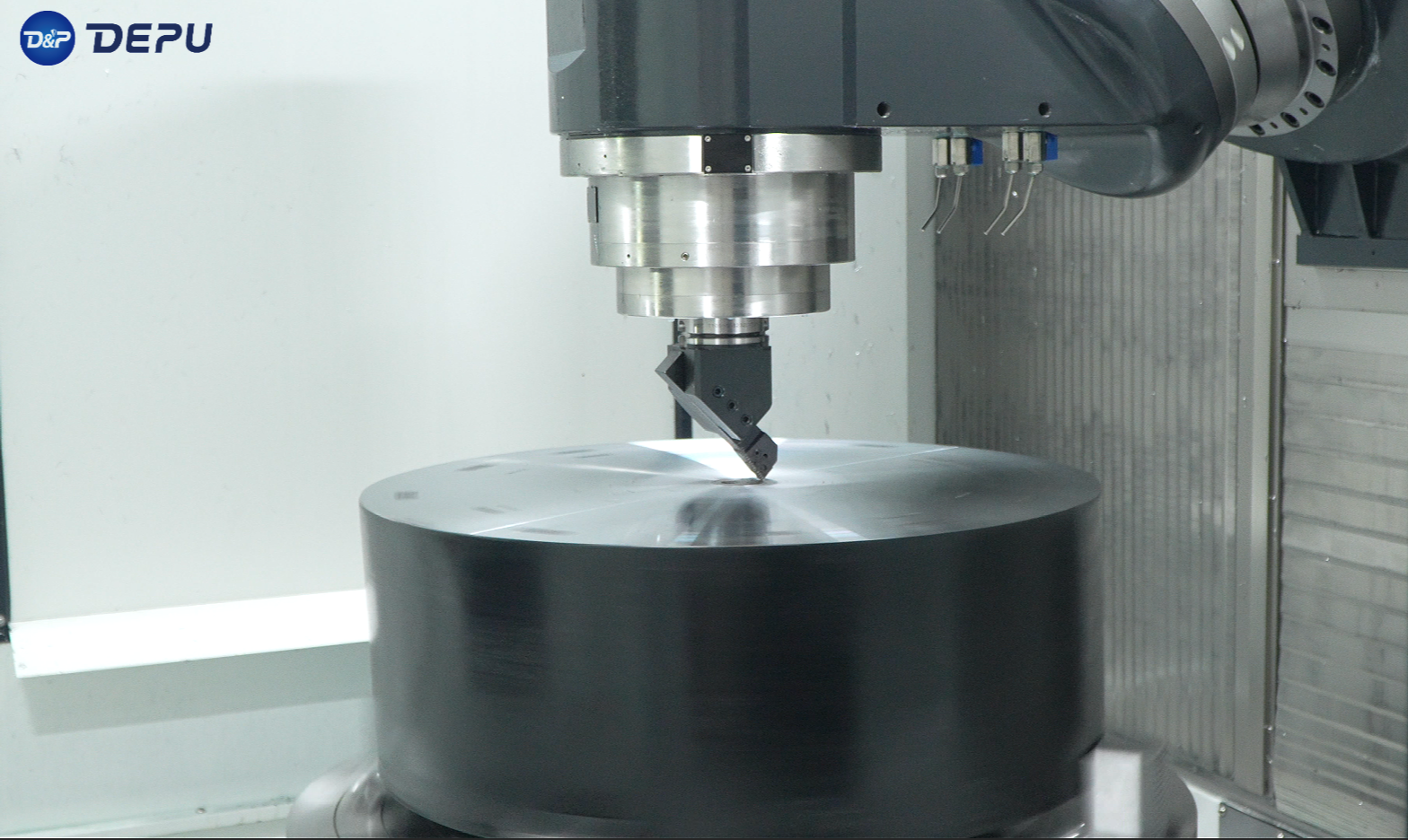

Why Scaling Is More Difficult Than Prototyping
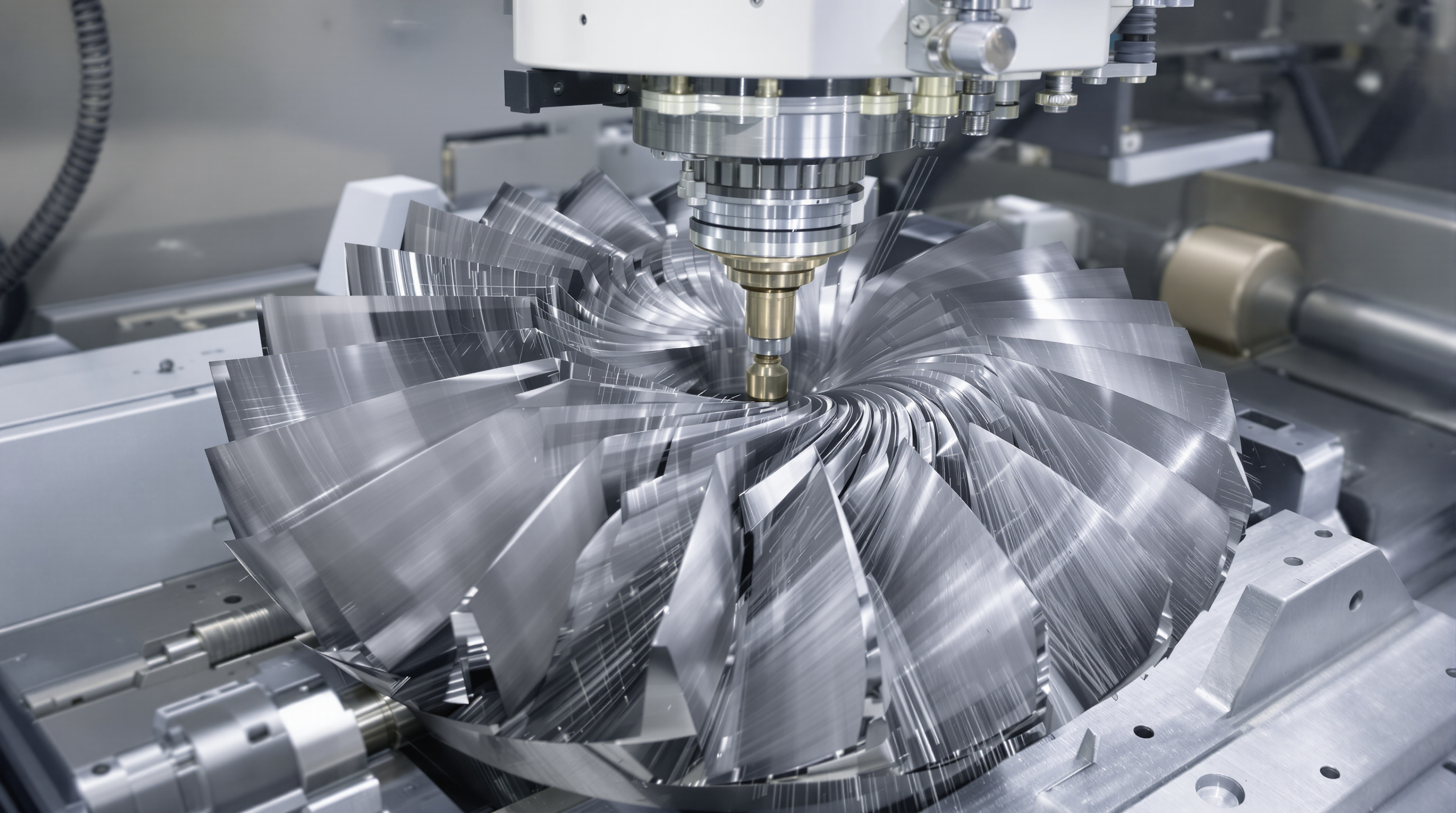
Many manufacturers can machine a successful prototype. Far fewer can reproduce that result consistently across hundreds or thousands of parts.
The transition from prototype to batch production exposes weaknesses in machine structure, thermal stability, and motion control. A true 5-axis machine for scale must be engineered not just for precision—but for repeatable precision under continuous load.
Prototyping tests capability. Production tests stability.
The Hidden Challenges of Batch Production
When scaling to scalable 5-axis production, manufacturers encounter:
-
Extended cycle times
-
Thermal drift over long runs
-
Tool wear accumulation
-
Fixture fatigue
-
Dynamic vibration during high feed rates
A machine that performs well during short prototype runs may lose micron-level consistency during multi-shift production.
That is why a 5-axis machine for scale must prioritize structural engineering over showroom performance metrics.
Structural Rigidity: The Foundation of Repeatability
In high-repeatability CNC machining, rigidity directly affects part consistency.
Under batch conditions:
-
Spindles experience sustained torque
-
Rotary axes cycle continuously
-
Guideways endure repetitive dynamic loads
Without reinforced cast structures and stable axis geometry, minor deflections compound into dimensional variation.
A production-grade 5-axis platform must maintain alignment integrity over thousands of cycles—not just during a single demonstration part.
Thermal Stability in Continuous Operation
During prototype machining, thermal influence is minimal due to shorter run times.
In batch production:
-
Spindle temperature rises
-
Ball screws expand
-
Servo systems generate heat
A properly engineered 5-axis machine for scale integrates thermal compensation strategies, stable spindle systems, and optimized cooling pathways to maintain dimensional consistency.
Thermal control is often the defining factor between prototyping success and production failure.
Motion Control Under High Acceleration
Scalable 5-axis production often involves high-speed interpolation and complex toolpaths. Dynamic stability becomes critical when:
-
Axis acceleration increases
-
Simultaneous 5-axis movement intensifies
-
Heavy workpieces introduce inertia
A production-grade 5-axis system must balance speed and rigidity. Excessive acceleration without structural control leads to vibration and micro-deviation.
The right engineering approach ensures dynamic stability across extended batch cycles.
Repeatability vs. Peak Accuracy
Prototype results often highlight peak accuracy. Production demands repeatability.
High-repeatability CNC machining depends on:
-
Stable rotary axis preload
-
Consistent servo response
-
Durable bearing assemblies
-
Controlled backlash over time
A true 5-axis machine for scale maintains micron-level consistency part after part, shift after shift.
Repeatability—not single-test accuracy—defines scalable success.
Tool Life and Process Consistency
Batch production magnifies tool wear variables. Inconsistent spindle performance or vibration shortens tool life and increases variation.
Scalable 5-axis production systems must:
-
Deliver stable torque output
-
Minimize chatter
-
Maintain smooth interpolation
Process reliability reduces scrap rates and stabilizes cost per part—critical for manufacturers moving from R&D to industrial volume.
Fixture Strategy in Scalable Manufacturing
Prototyping often relies on flexible fixturing. Batch production requires repeatable clamping strategies.
A production-grade 5-axis platform supports:
-
Single-setup multi-face machining
-
Stable rotary table load capacity
-
Precise clamping repeatability
Engineering for scale means minimizing repositioning errors across large production volumes.
When Is a 5-Axis Machine Truly Ready for Scale?
A 5-axis system is production-ready when it can:
-
Maintain repeatability over extended runs
-
Resist thermal distortion
-
Sustain dynamic loads without structural fatigue
-
Deliver stable part-to-part consistency
At that point, the machine transitions from a development tool to a manufacturing asset.
A properly engineered 5-axis machine for scale transforms prototyping success into scalable profitability.
Conclusion
Moving from prototype to batch production is not simply about increasing output—it is about preserving precision under industrial conditions.
Scalable 5-axis production requires structural rigidity, thermal control, dynamic stability, and long-term repeatability. When engineered correctly, a 5-axis machine for scale becomes the foundation of consistent, high-volume manufacturing.
Precision proves capability. Stability proves scalability.