
Why Energy and Marine Components Demand Structural Strength
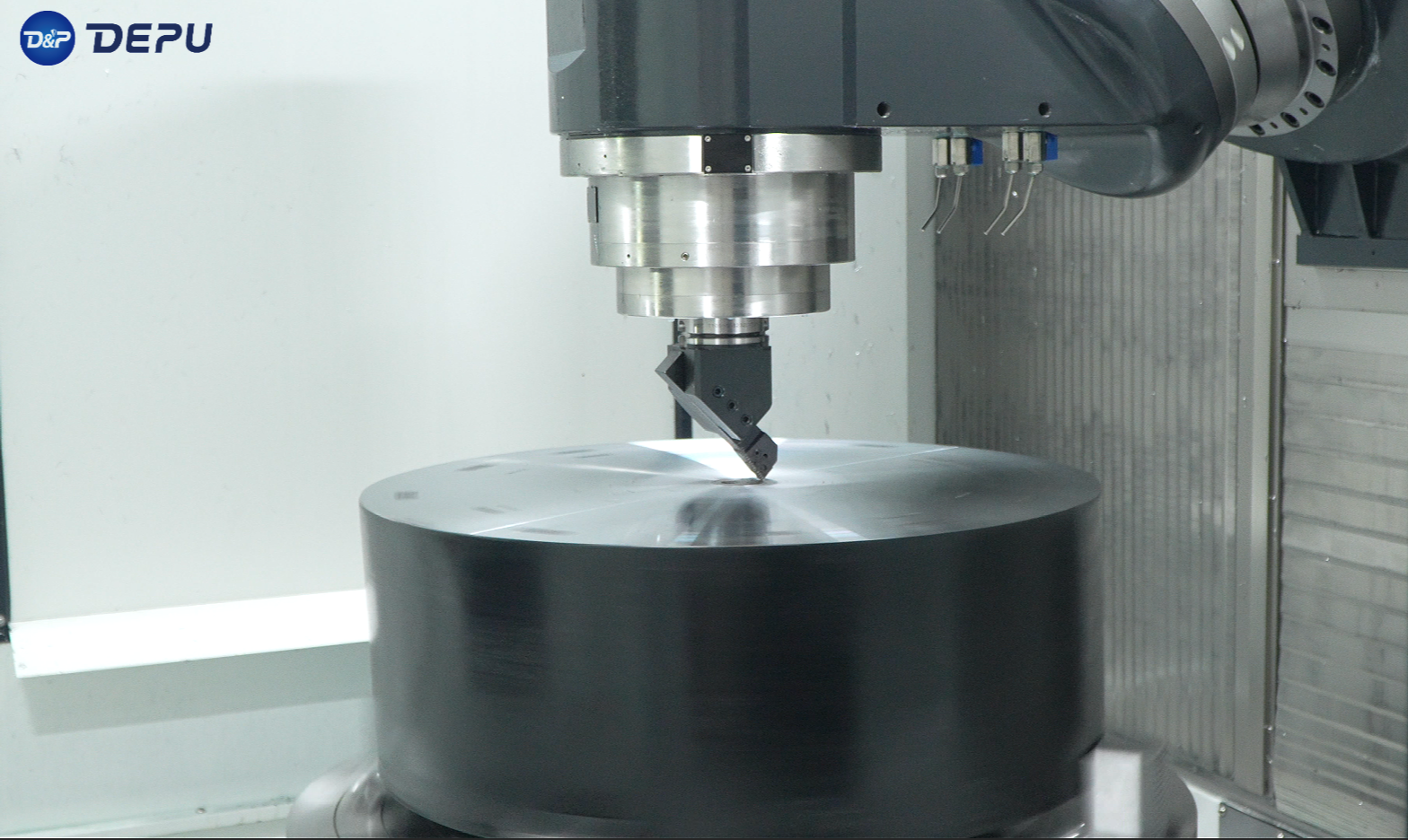
Energy and marine manufacturing environments require machining components that are not only large in size but also subjected to extreme operational loads. Turbine housings, pump casings, propeller hubs, and offshore structural components often weigh several tons and operate under high pressure, torque, and vibration.
In these applications, high-load 5-axis machines are not optional—they are structural necessities. Traditional light-frame machining centers cannot maintain geometric stability under such mass and cutting forces.
The Structural Demands of Energy and Marine Manufacturing
Energy and marine manufacturing differs from general industrial machining in three critical ways:
-
Component mass and size
-
Material hardness and toughness
-
Required long-term reliability
Materials such as duplex stainless steel, superalloys, and marine-grade bronze generate significant cutting resistance. High-torque CNC machining is required to maintain productivity without sacrificing tool life or dimensional control.
This is where high-load 5-axis machines provide a measurable advantage.
Load Capacity and Rigidity: The Core Performance Factor
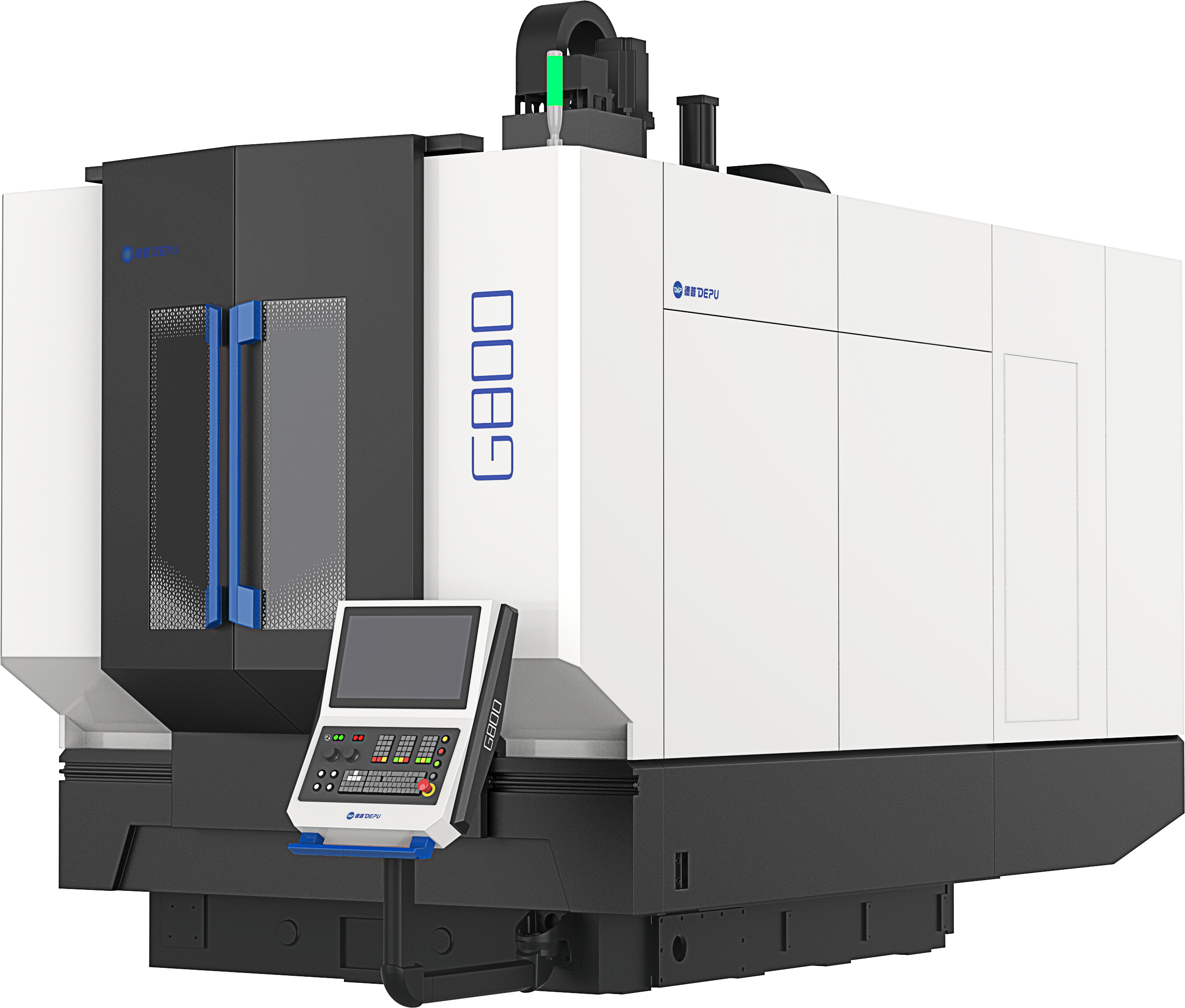
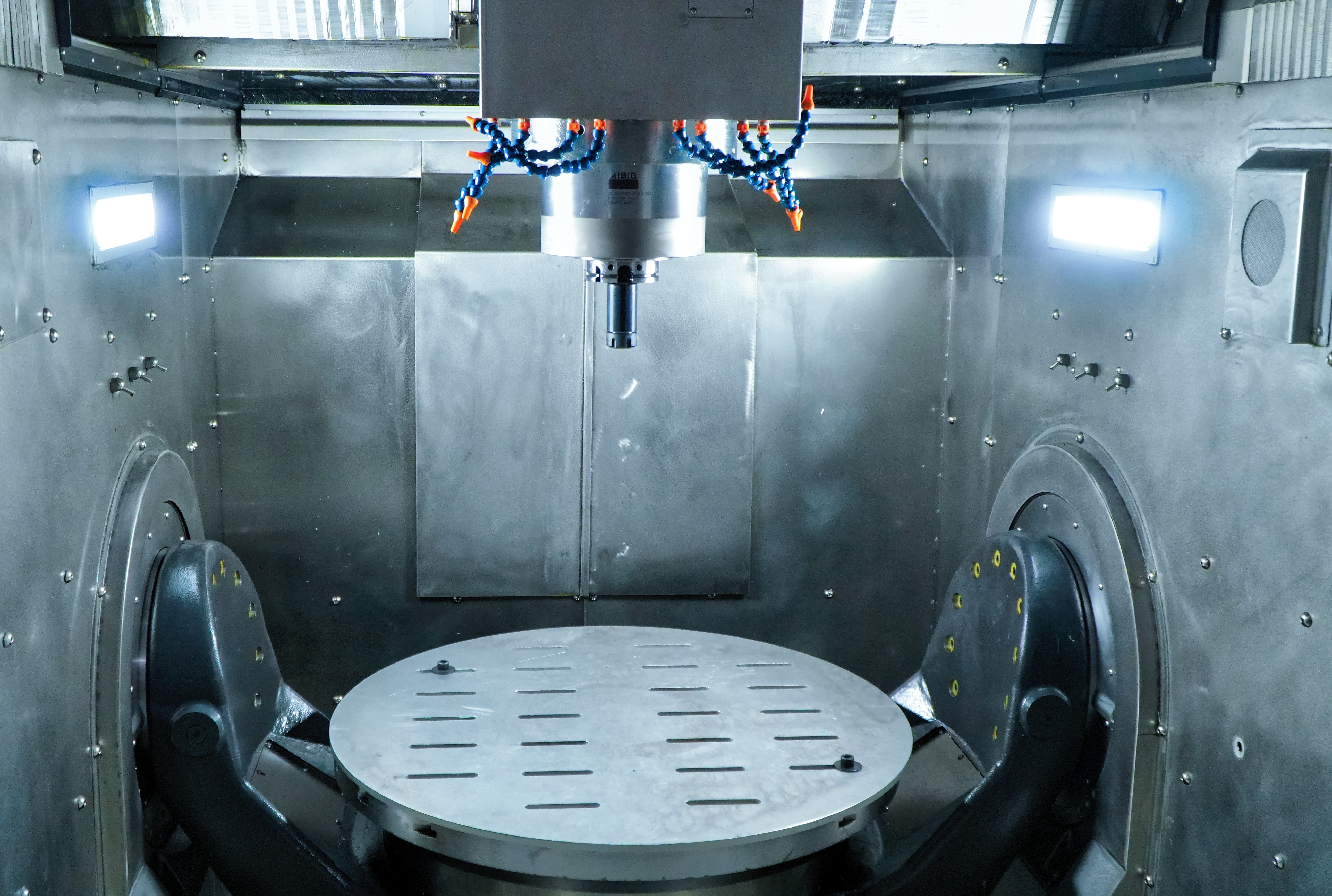
Heavy-duty 5-axis machining systems are engineered with:
-
Reinforced cast structures
-
Roller linear guides or box ways
-
High-torque spindles
-
Large-diameter rotary tables
When machining large components, structural deflection becomes the primary threat to accuracy. Even micron-level deflection at the base multiplies at the tool tip.
High-load 5-axis machines maintain rigidity under sustained cutting loads, preserving positional accuracy during deep cuts and long cycle times.
Single-Setup Machining for Large Components
Large component machining often involves complex geometries across multiple faces. Repositioning multi-ton workpieces increases:
-
Setup time
-
Alignment risk
-
Cumulative tolerance error
Heavy-duty 5-axis machining allows full multi-face access in a single setup. This reduces distortion risks and ensures datum integrity throughout the process.
For energy and marine manufacturing, this single-setup capability significantly reduces lead time while improving part consistency.
Torque and Power: Machining Tough Alloys
Marine propulsion systems and energy sector parts frequently use corrosion-resistant alloys that are difficult to machine. High-torque CNC machining becomes critical when cutting:
-
Super duplex stainless steel
-
Nickel-based alloys
-
Large forged shafts
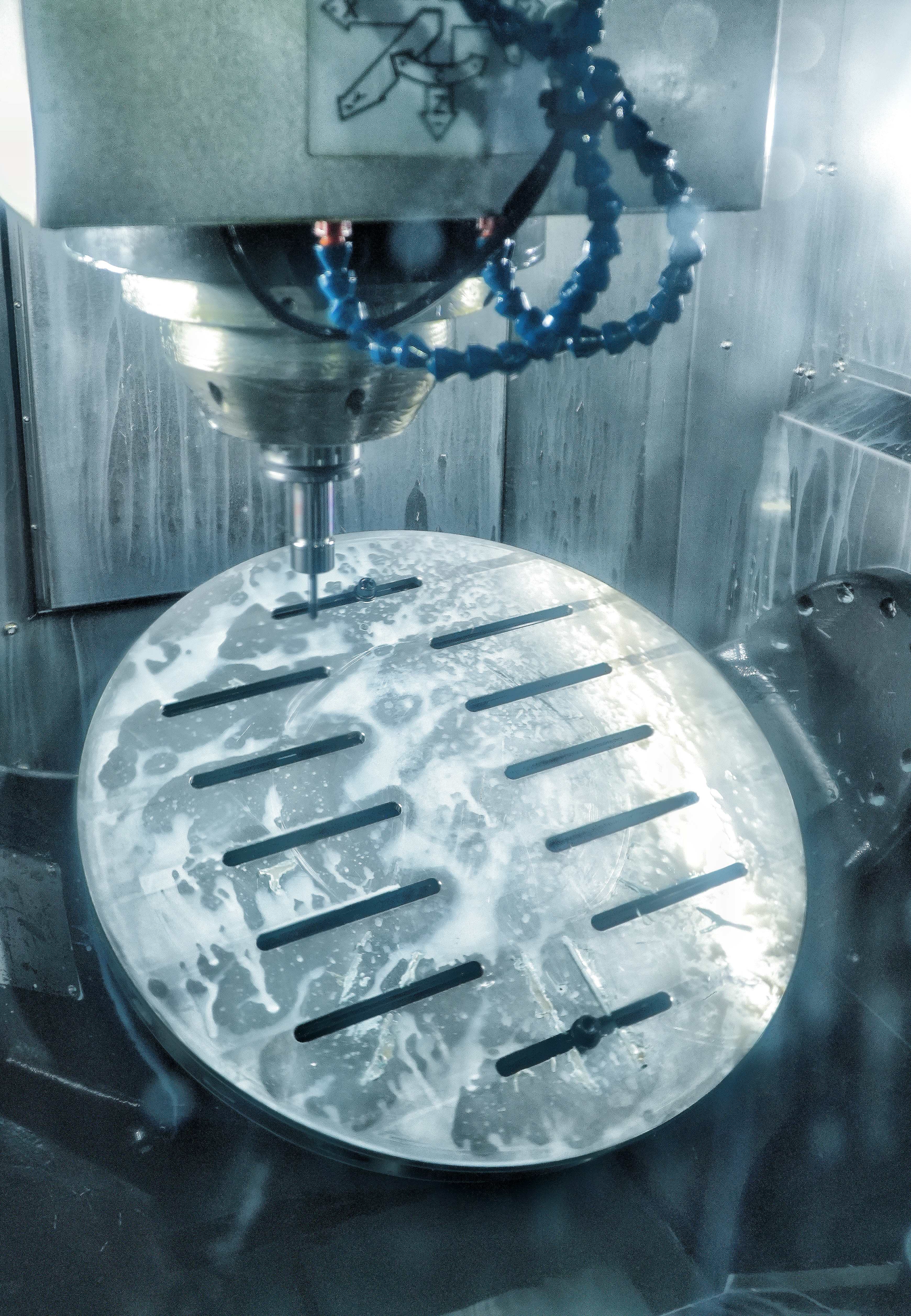
Standard machines may stall, overheat, or suffer tool chatter under these loads. In contrast, high-load 5-axis machines deliver sustained torque at low RPM, maintaining stable material removal without excessive vibration.
Vibration Control in Heavy Structures
In marine manufacturing, parts such as propeller hubs and shaft couplings require balanced geometries. Even slight instability during machining can introduce surface waviness or misalignment.
Heavy-duty 5-axis machining platforms are designed with:
-
Broad base structures
-
Optimized center-of-gravity distribution
-
Vibration-damped spindle systems
These features enhance stability under high dynamic loads—critical for large rotating components.
Long-Term Stability in Harsh Industrial Environments
Energy facilities and shipbuilding operations often run extended production cycles. Machines must maintain accuracy over years of heavy use.
High-load 5-axis machines are engineered for long-term geometric retention, with:
-
Reinforced structural ribs
-
Thermal compensation systems
-
High-capacity bearing assemblies
This durability directly supports energy and marine manufacturing operations where downtime is costly and reliability is non-negotiable.
Productivity Gains Through 5-Axis Capability
Beyond rigidity, 5-axis capability improves machining efficiency:
-
Reduced fixture complexity
-
Fewer setups
-
Shorter total cycle times
For large component machining, these advantages translate into lower handling risk and faster throughput without compromising precision.
When High-Load 5-Axis Machines Deliver Maximum ROI
Investment in heavy-duty 5-axis machining is most justified when:
-
Workpieces exceed one ton
-
Materials require high cutting torque
-
Multi-face precision is critical
-
Production cycles are long and continuous
In these environments, machine stability becomes directly linked to product reliability.
Conclusion
Energy and marine manufacturing demand structural strength, torque stability, and geometric precision at scale. High-load 5-axis machines provide the rigidity and durability required to machine large, heavy components safely and efficiently.
When cutting forces are extreme and component failure is not an option, heavy-duty 5-axis machining is not a luxury—it is the foundation of reliable production.
FAQ
What defines a high-load 5-axis machine?
A high-load 5-axis machine features reinforced structural design, high torque capacity, and large load-bearing rotary systems for machining heavy components.
Why are high-load machines important in energy manufacturing?
Energy components are large and made from tough materials. High-load machines ensure stable cutting and long-term dimensional accuracy.
Can standard 5-axis machines handle marine components?
Light-duty machines may struggle with large marine parts due to load and torque limitations. Heavy-duty configurations are typically required.
How do high-load 5-axis machines improve reliability?
They reduce structural deflection, control vibration, and maintain geometric stability under sustained heavy cutting conditions.