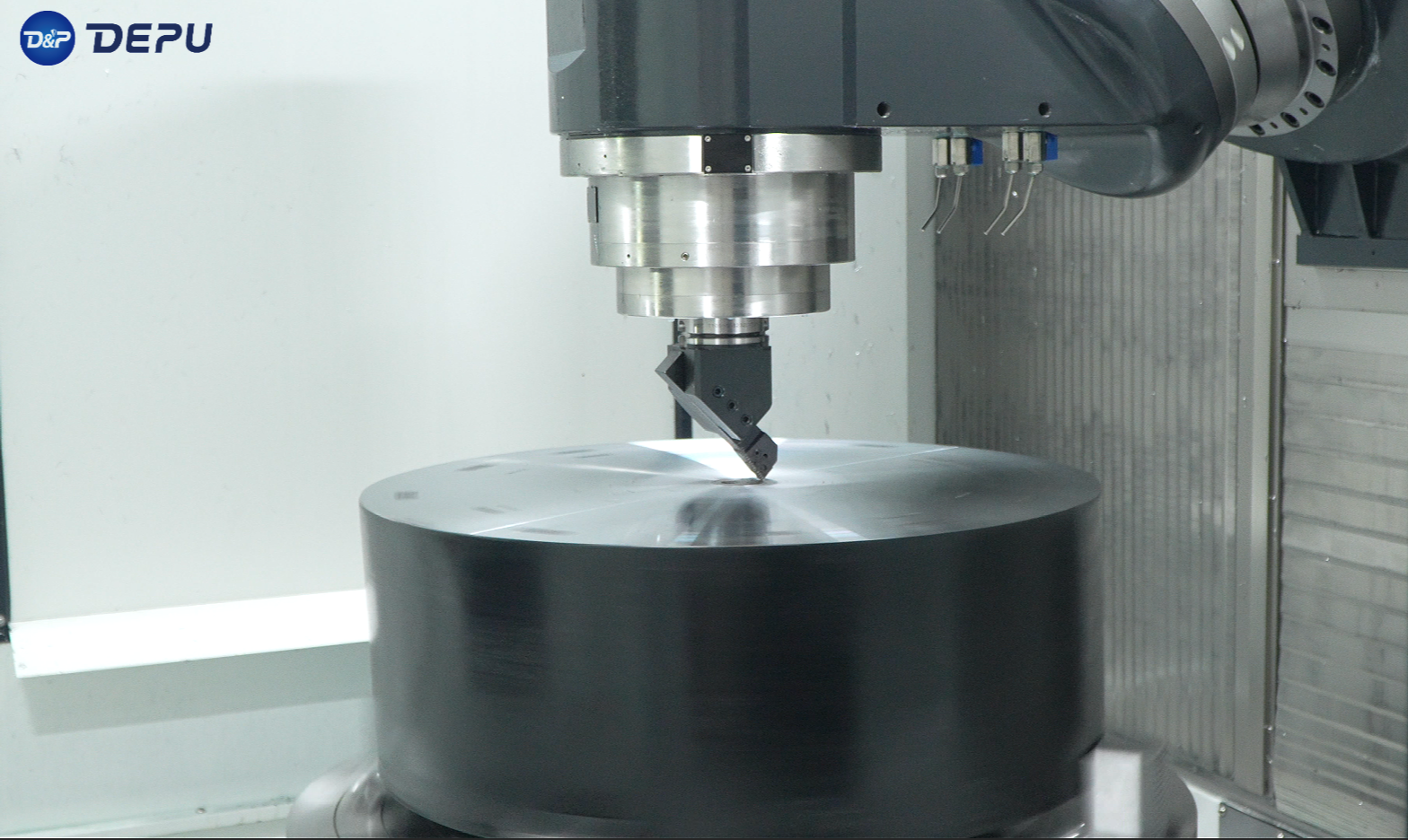

Why Dynamic Stability Matters More Than Static Accuracy
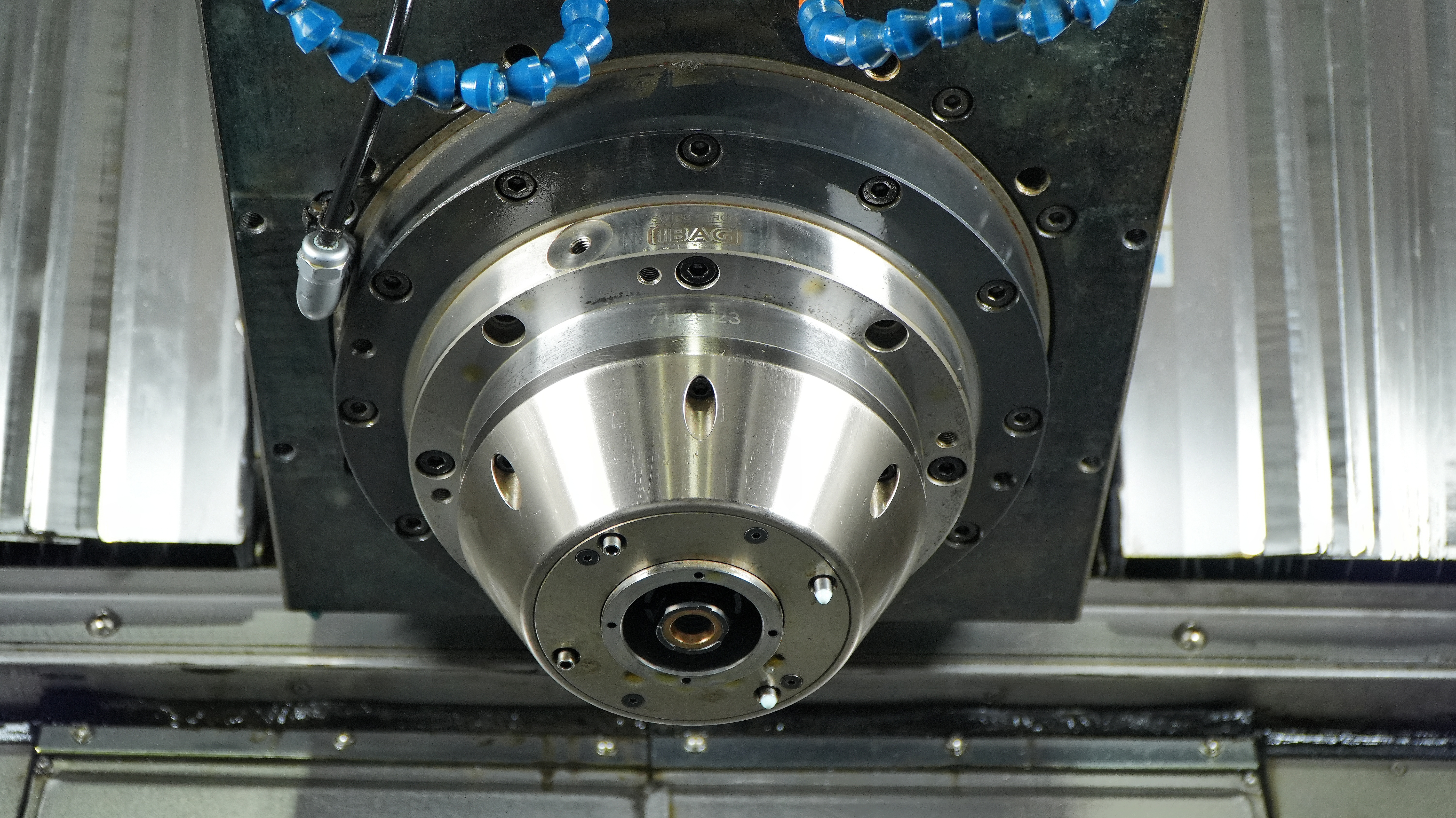
Many manufacturers evaluate machine tools based on static positioning accuracy. However, real-world machining performance depends on dynamic stability in CNC machines—how the structure behaves under cutting load, acceleration, and vibration.
The debate around roller linear guides vs ball guides is fundamentally a debate about how machines behave under force, not at rest. Static specs may look similar, but their dynamic response can be dramatically different.
Structural Contact: The Core Mechanical Difference
The difference between roller linear guides vs ball guides lies in contact geometry.
-
Ball guides use point contact between balls and raceways.
-
Roller guides use line contact through cylindrical rollers.
Line contact increases load distribution area significantly. Under heavy cutting loads, roller guides resist elastic deformation better than ball guides. This structural characteristic directly influences:
-
Rigidity under acceleration
-
Cutting force absorption
-
Vibration propagation
When evaluating linear guide rigidity comparison, roller guides generally demonstrate higher load capacity per unit length.
Rigidity and Load Capacity Under Cutting Forces
Dynamic cutting forces in 5-axis machining can fluctuate rapidly, especially in titanium or nickel-based alloys. These forces create micro-deflections in the guide system.
In the context of roller linear guides vs ball guides, roller systems typically offer:
-
20–40% higher load capacity
-
Lower elastic deformation under identical load
-
Better resistance to moment loads
This higher stiffness translates into improved surface finish consistency and reduced chatter—key indicators of dynamic stability in CNC machines.
Vibration Behavior and Damping Characteristics
Rigidity alone does not define performance. Vibration control is equally important.
Ball guides, due to point contact, can exhibit slightly smoother low-load motion. However, under high acceleration or heavy cutting conditions, roller guides tend to maintain more stable contact behavior.
In heavy-duty machining environments, roller linear guides vs ball guides comparisons often favor roller guides when vibration control in CNC machining becomes critical. Less micro-movement means:
-
Reduced surface waviness
-
Improved tool life
-
More predictable dimensional accuracy
Acceleration and High-Speed Contouring
Modern 5-axis machines require rapid axis acceleration and deceleration. During high-speed contouring:
-
Guide systems experience alternating load directions
-
Structural compliance influences positioning error
Roller guides typically perform better in machines designed for aggressive cutting and high mass structures. For lightweight high-speed machines focused on aluminum, ball guides may still provide adequate performance.
This highlights that roller linear guides vs ball guides is not about superiority—it is about application fit.
Long-Term Stability and Wear Patterns
Over time, repeated dynamic loading affects guide longevity. Wear behavior differs:
-
Ball guides distribute load across spherical contact points
-
Roller guides distribute load along continuous lines
Line contact reduces localized stress concentration. In heavy-duty 5-axis machine structures, this often results in:
-
Slower preload degradation
-
More stable geometric alignment over years
-
Reduced maintenance intervals
Long-term geometric retention is a major contributor to sustained dynamic stability in CNC machines.
Machine Architecture Matters More Than Guides Alone
While the comparison of roller linear guides vs ball guides is important, guides are only one part of the system. True dynamic stability depends on:
-
Casting rigidity
-
Thermal symmetry
-
Spindle mass distribution
-
Axis drive tuning
A roller guide on a weak structure will not outperform a well-engineered ball guide system integrated into a balanced machine architecture.
Dynamic stability is a system outcome, not a single component feature.
When Roller Guides Make the Most Sense
Roller linear guides are typically preferred when:
-
Cutting titanium or Inconel
-
Machining large aerospace structures
-
Running high torque, heavy spindles
-
Maintaining tight tolerances over long duty cycles
Ball guides may be sufficient when:
-
Cutting aluminum or softer alloys
-
Prioritizing speed over load
-
Operating in lighter machine platforms
Understanding application requirements determines the correct choice.
The Real Question: What Improves Stability for Your Application?
The real decision behind roller linear guides vs ball guides is not theoretical—it is operational. What type of cutting forces, duty cycles, and materials define your process?
Dynamic stability in CNC machines improves when the guide system matches:
-
Structural mass
-
Intended load profile
-
Acceleration strategy
-
Long-term precision requirements
Choosing correctly means balancing rigidity, damping behavior, and wear resistance for your specific manufacturing environment.
FAQ
What is the main difference between roller and ball linear guides?
Roller guides use line contact for higher rigidity and load capacity, while ball guides use point contact and may offer smoother motion in lighter-duty applications.
Which guide type improves dynamic stability in CNC machines?
For heavy cutting and high-load applications, roller guides generally provide better dynamic stability due to higher stiffness and reduced elastic deformation.
Are roller guides always better than ball guides?
No. The choice depends on machine design, cutting materials, and application requirements. Ball guides can perform well in high-speed, light-load machining.
Do linear guides affect long-term machine accuracy?
Yes. Guide rigidity and wear behavior influence geometric stability, vibration control, and overall machining consistency over time.