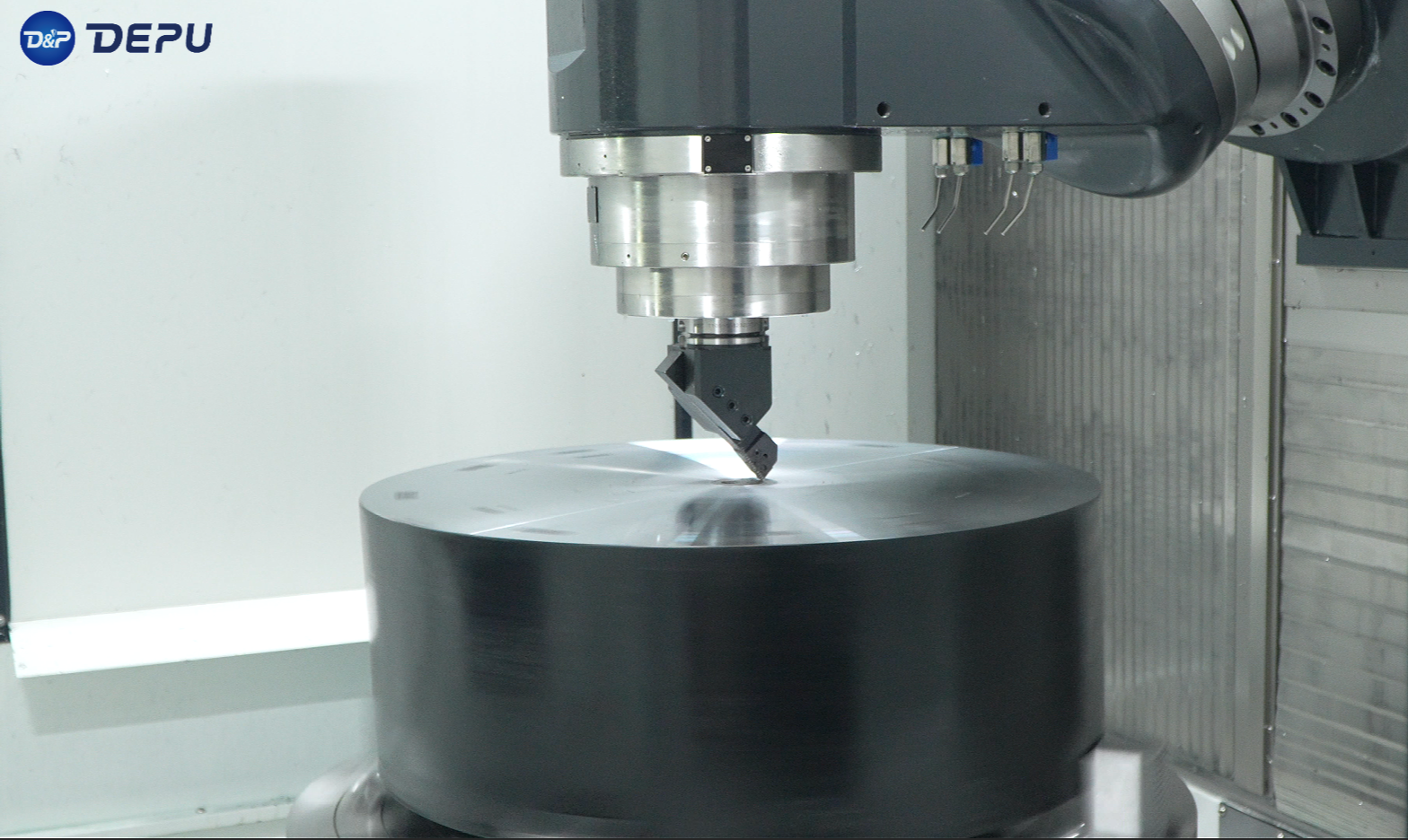

The Real Reason 5-Axis Machining Improves Part Consistency
Why Consistency Is Harder Than Accuracy
In high-precision manufacturing, achieving accuracy once is not the real challenge. The real challenge is producing the same result repeatedly—across shifts, operators, and production batches.
This is where manufacturers begin to understand why 5-axis machining improves part consistency far more reliably than traditional multi-setup approaches. Consistency depends less on machine accuracy alone and more on how many variables are introduced during production.
Setup Reduction: The Core Advantage of 5-Axis Machining
Every time a part is unclamped and re-clamped, new errors are introduced:
-
Datum shift
-
Angular misalignment
-
Clamping distortion
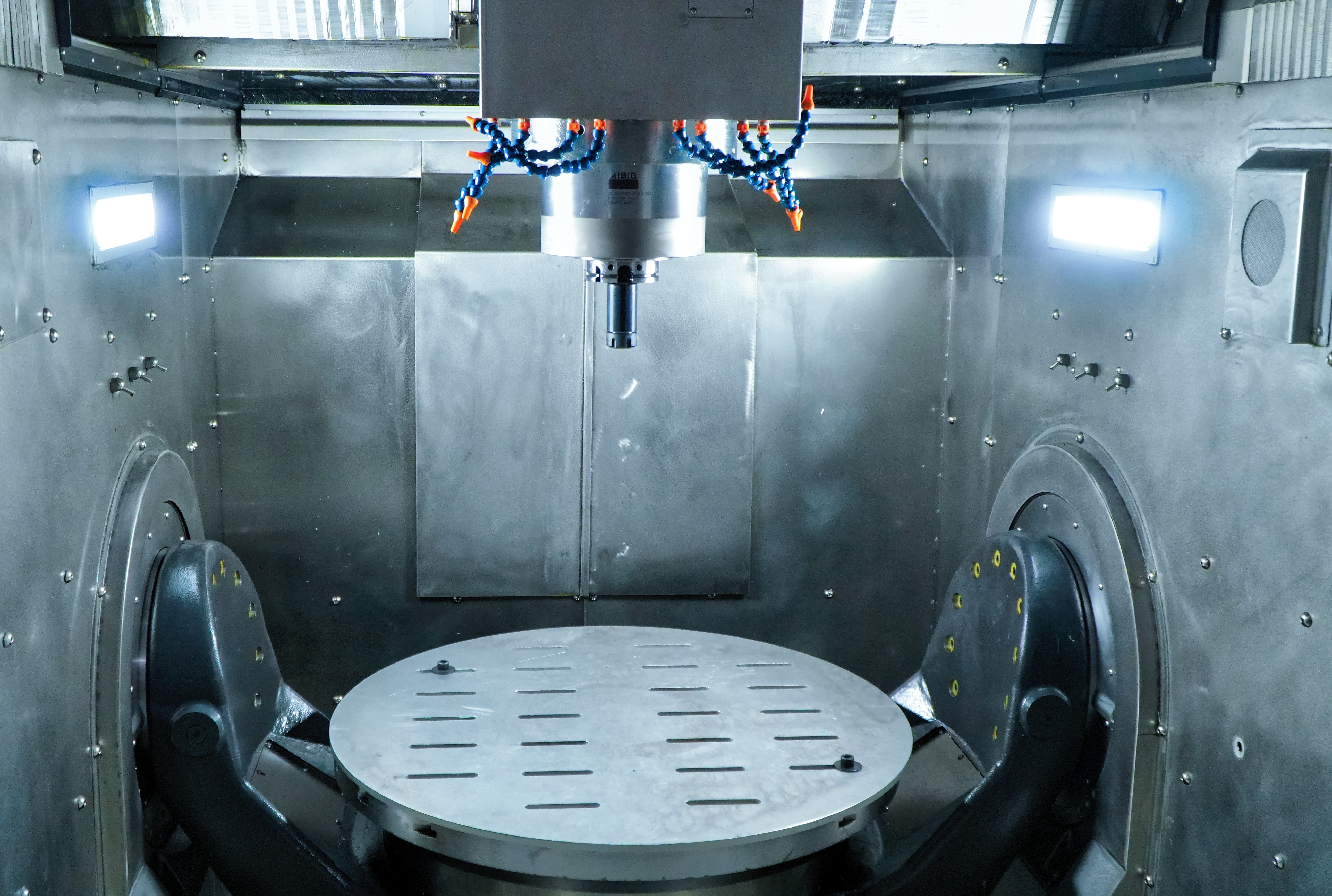
5-axis CNC machining dramatically reduces—or completely eliminates—these variables by machining multiple faces in a single setup. This is the foundational reason 5-axis machining improves part consistency, especially for parts with tight positional tolerances.
Datum Integrity: Machining from a Single Reference
In multi-setup machining, each setup creates a new reference chain. Even when fixtures are precise, tolerance stack-up is unavoidable.
By contrast, 5-axis CNC machining maintains a single datum reference throughout the process. Critical features remain geometrically related, not redefined. This directly improves:
-
Feature-to-feature alignment
-
Concentricity
-
Angular accuracy
Maintaining datum integrity is one of the most overlooked reasons why 5-axis machining improves part consistency in real production environments.
Thermal Stability Over Long Production Runs
Consistency is not only a geometric issue—it is also a thermal one. Longer cycle times and multiple setups expose parts to uneven heat distribution.
With fewer setups and shorter total machining time, 5-axis machining minimizes thermal variation. Combined with modern thermal compensation systems, this results in stable dimensions over extended production runs, improving part repeatability in CNC machining.
Tool Orientation and Cutting Stability
In 3-axis machining, tools often operate at suboptimal angles, leading to:
-
Uneven tool wear
-
Variable cutting forces
-
Surface finish inconsistency
5-axis machining maintains optimal tool orientation throughout the cut. This stabilizes cutting forces and ensures predictable material removal, another practical reason 5-axis machining improves part consistency beyond theoretical accuracy.
Reduced Human Dependency
Manual intervention is a major source of variation in high-precision CNC manufacturing. Every setup change increases reliance on operator skill and judgment.
By consolidating operations into a single setup, 5-axis machining reduces:
-
Operator-induced variability
-
Fixture handling errors
-
Setup time pressure
This makes production more process-driven and less person-dependent—critical for scalable manufacturing.
Batch-to-Batch Repeatability
Many manufacturers notice acceptable results on first articles, but inconsistency across batches. The cause is rarely the machine—it is the process.
5-axis CNC machining standardizes the process by:
-
Locking geometry into a single reference
-
Minimizing rework paths
-
Reducing cumulative tolerances
This is why 5-axis machining improves part consistency not just within one batch, but across months or years of production.
Inspection Results Tell the Real Story
Inspection data often reveals the true benefit of 5-axis machining:
-
Lower CpK variation
-
Reduced rejections due to positional errors
-
More predictable SPC trends
These results confirm that consistency gains come from process simplification, not just higher machine specifications.
When 5-Axis Consistency Matters Most
5-axis machining delivers the most consistency benefits when:
-
Parts have multiple critical faces
-
Tolerances are relational, not isolated
-
Re-clamping risks distortion
Industries such as aerospace, medical devices, and high-end automotive rely on these advantages to meet strict quality standards.
Consistency Is a System Outcome
The real reason 5-axis machining improves part consistency is not magic—it is physics and process control. Fewer setups, stable references, controlled cutting dynamics, and reduced human intervention create a manufacturing system that repeats itself accurately.
Consistency is not achieved by chasing tighter tolerances, but by eliminating variability at its source—and this is where 5-axis machining truly proves its value.
FAQ
Why does 5-axis machining improve consistency more than 3-axis?
Because it reduces setups, preserves datum references, and minimizes human and thermal variables.
Does 5-axis machining guarantee perfect consistency?
No, but it significantly reduces the sources of variation that cause inconsistency in multi-setup machining.
Is 5-axis machining necessary for all precision parts?
Not always. It is most beneficial when positional relationships and setup reduction are critical.
How does setup reduction affect part repeatability?
Fewer setups mean fewer opportunities for misalignment, distortion, and cumulative tolerance errors.