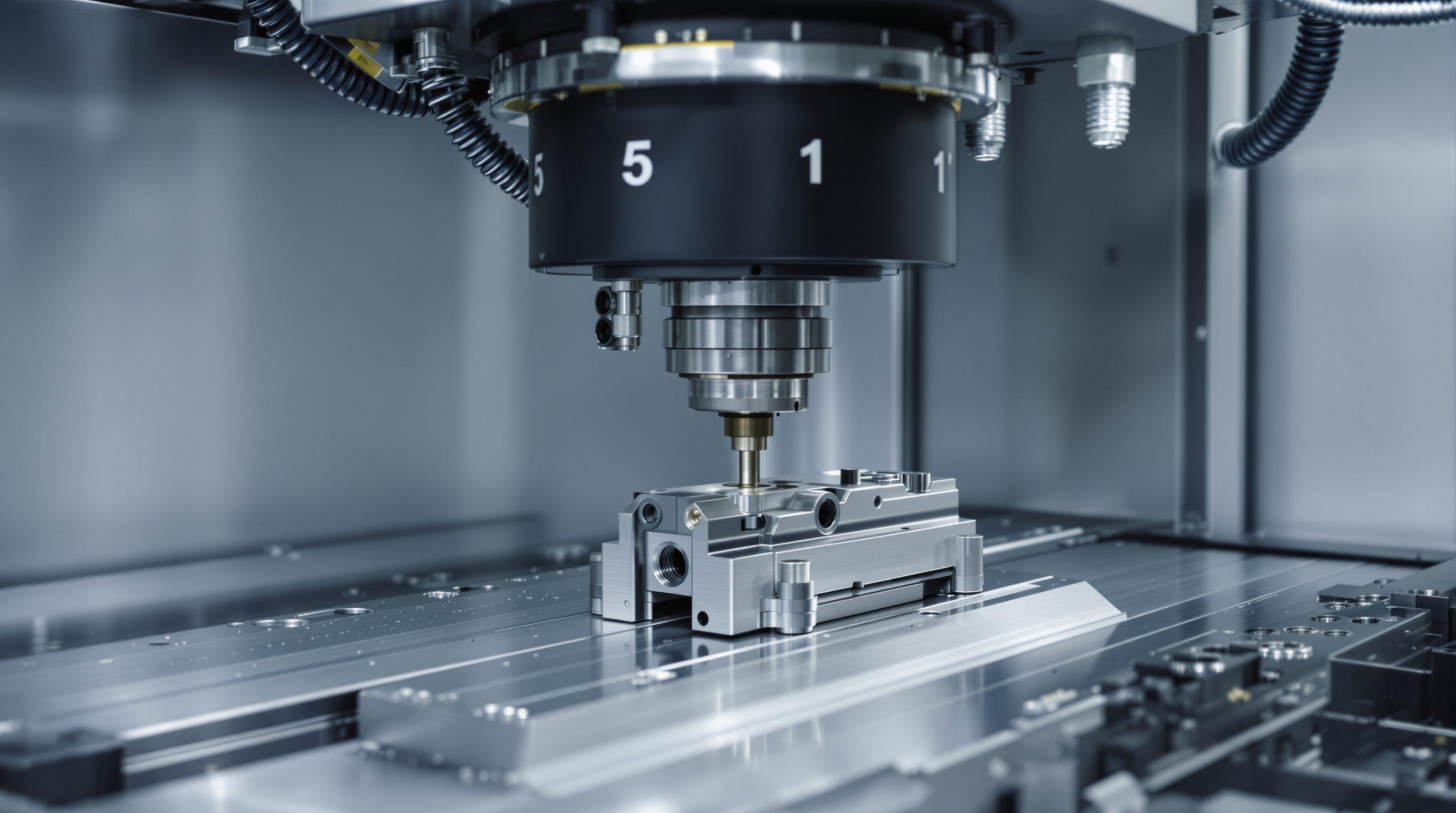
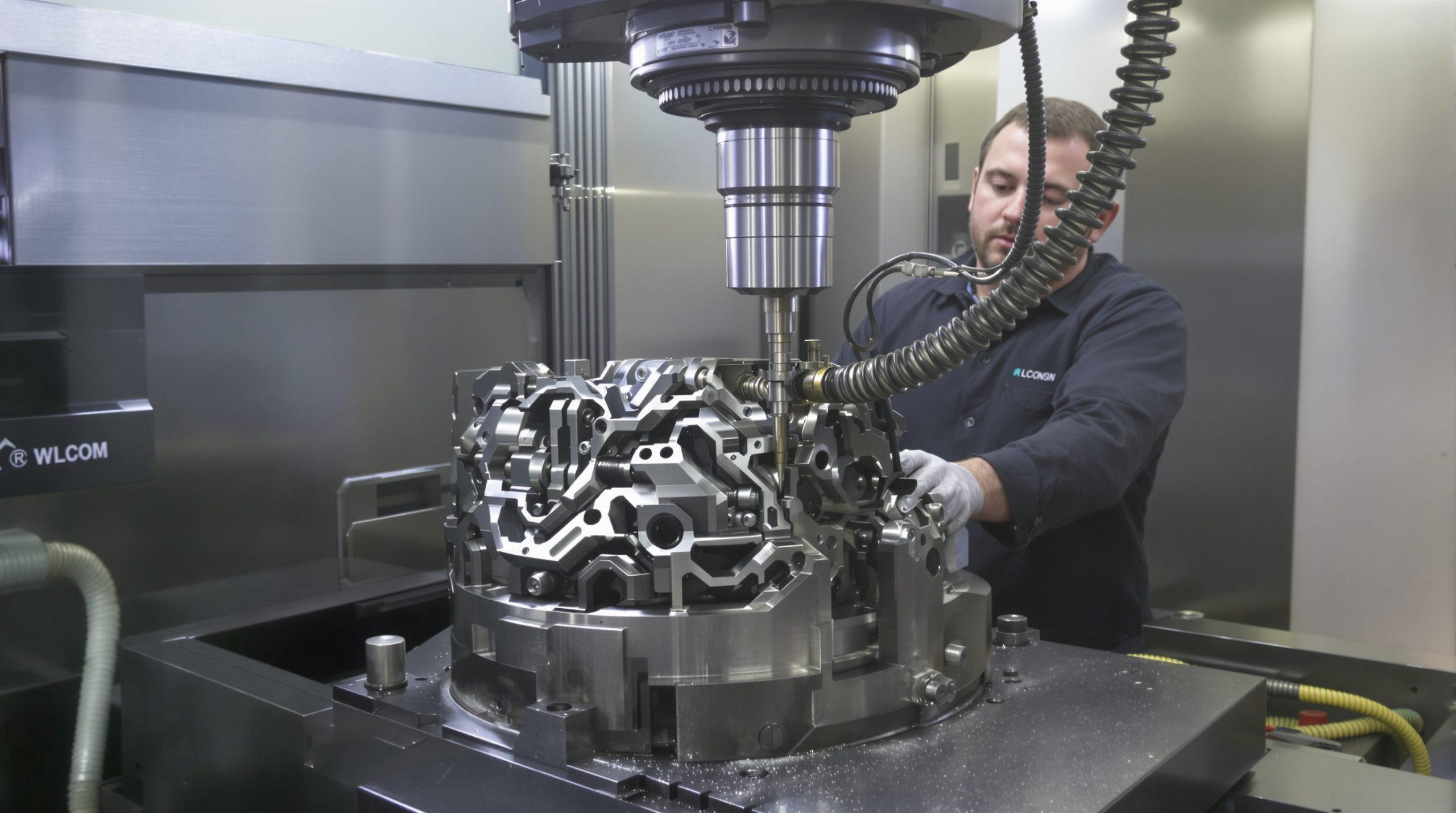
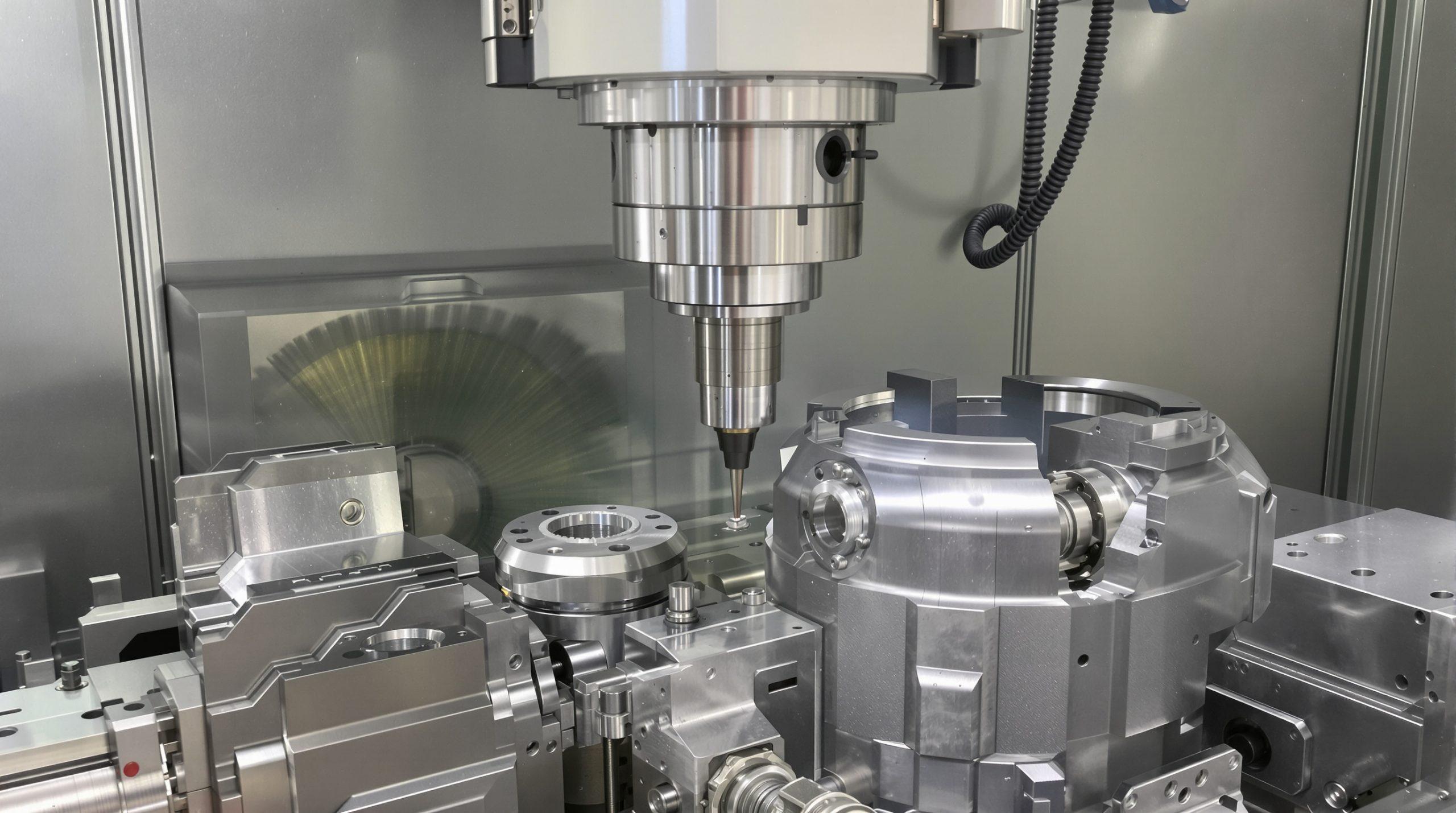
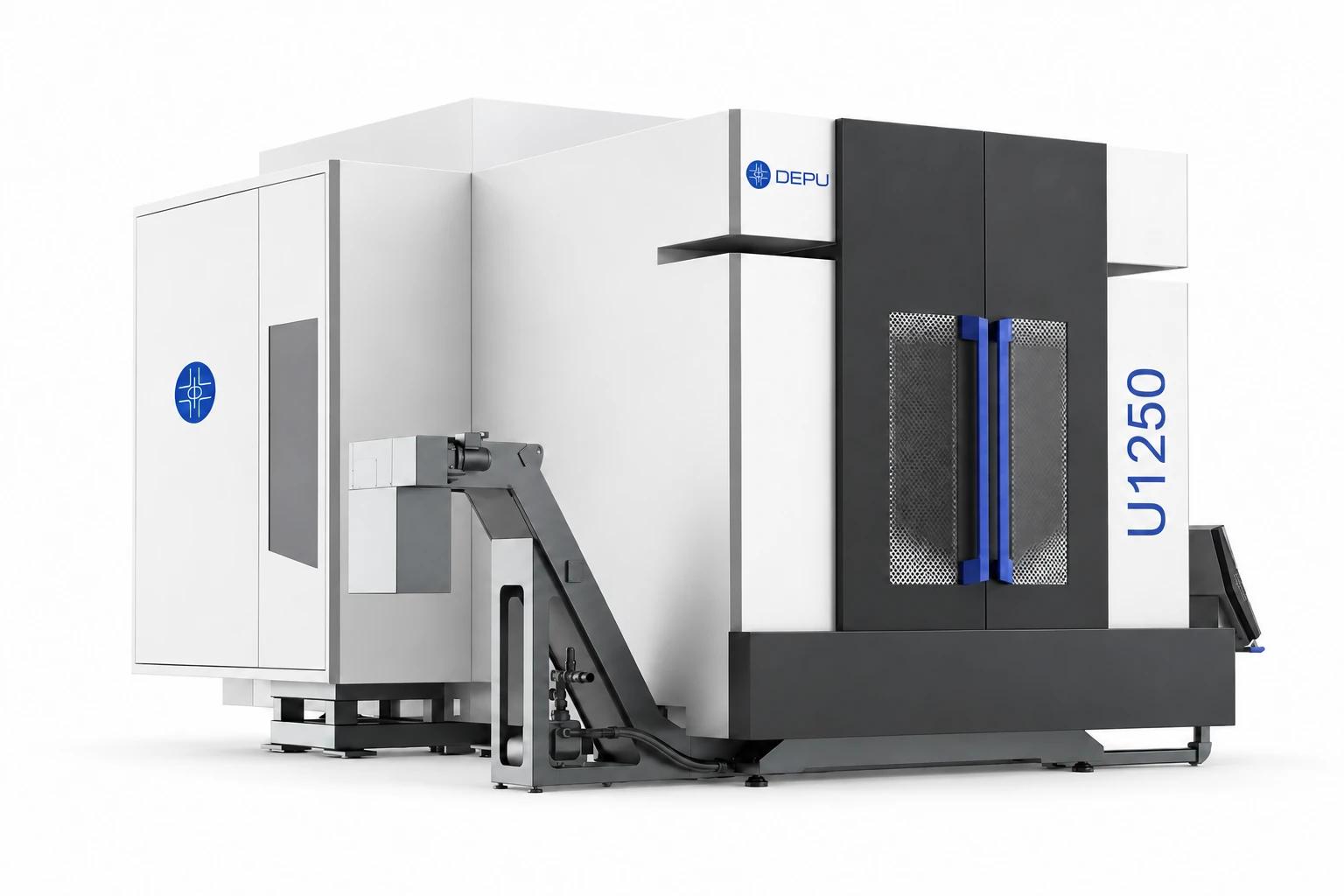
Aerospace manufacturers rely on 5-axis CNC machines for high-precision titanium engine housings, while energy companies use them to machine wind turbine hubs with angular deviations under 0.01°. In the medical field, the technology enables production of patient-specific orthopedic implants with 99.7% repeatability across large batches.
Five axis CNC machines let cutting tools move freely along all five axes at once, which means they can reach parts from almost every possible direction.
Precision machining relies on computer numerical control (CNC) machines and meticulous techniques to create parts with tolerances down to plus or minus 0.001 millimeters.
Precision machining refers to a subtractive manufacturing method where computer controlled CNC machines are used to make parts with extremely tight tolerances, sometimes down to plus or minus 0.005 inches.
When parts can be machined through multiple operations while still clamped in place, 5 axis mills significantly reduce those little errors that build up when parts get moved around too much during production.
What is 5-axis CNC machining? Discover how X, Y, Z, A, and B axes work together. Learn the differences from 3-axis, continuous vs 3+2 setups, and industry applications.
By DEPU
Showing 46–52 of 52 articles
From insight to application
Find your platform.
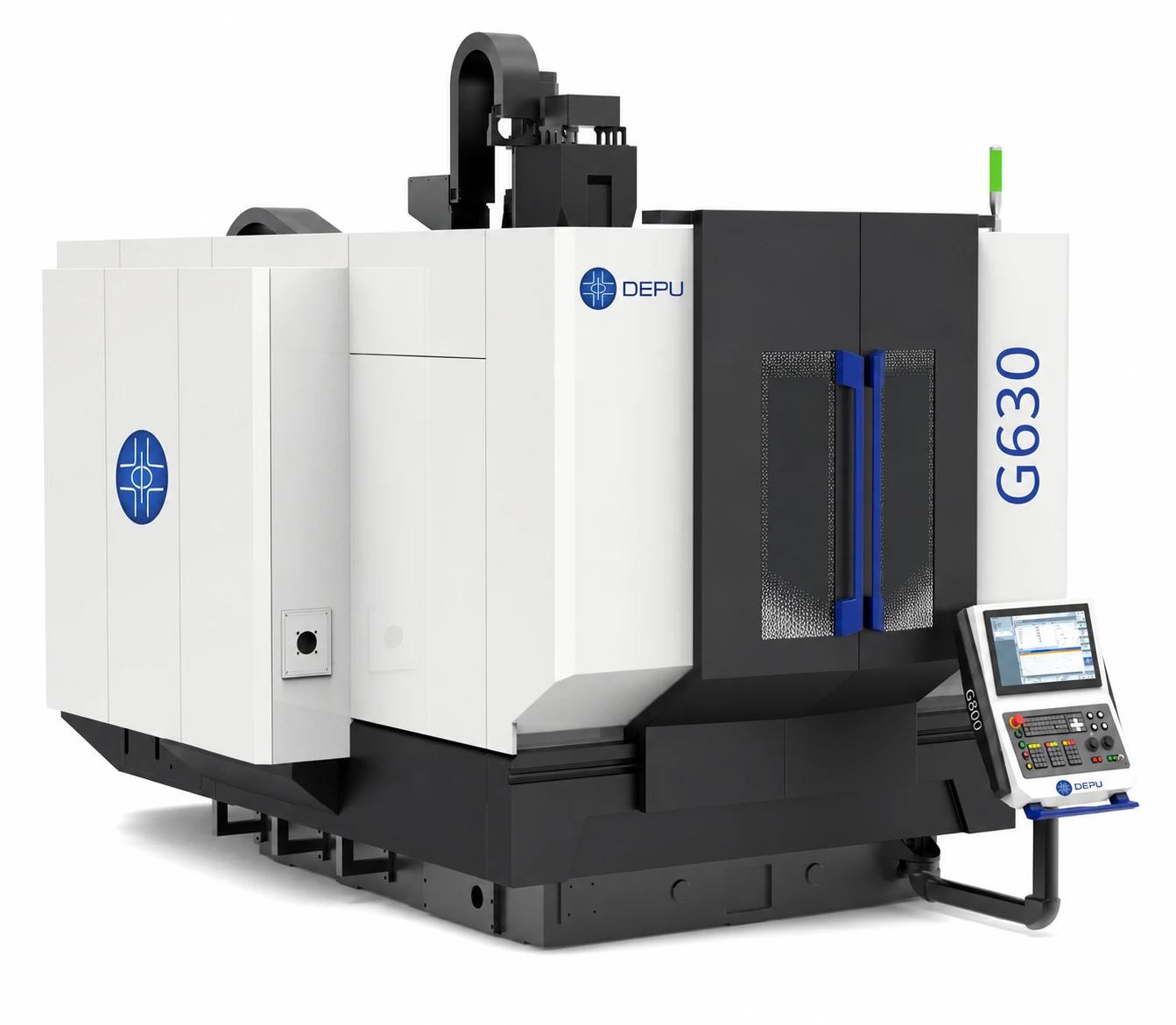
Explore the machine architecture behind the process. Start with your workpiece, then consider the configuration.