
Why Machine Damping Matters in High-Speed 5-Axis Cutting
Machine damping plays a major role in high-speed 5-axis CNC machining. Discover how vibration control improves precision machining, surface quality, and machining stability.
Better questions. Better machining decisions.
Explore the processes, technologies and thinking behind precision manufacturing.
Machine selection, process thinking and industry perspectives.
Machine damping plays a major role in high-speed 5-axis CNC machining. Discover how vibration control improves precision machining, surface quality, and machining stability.
Machine design affects more than performance—it shapes operator confidence and production reliability. Discover how precision machining and 5-axis CNC improve shop floor stability.
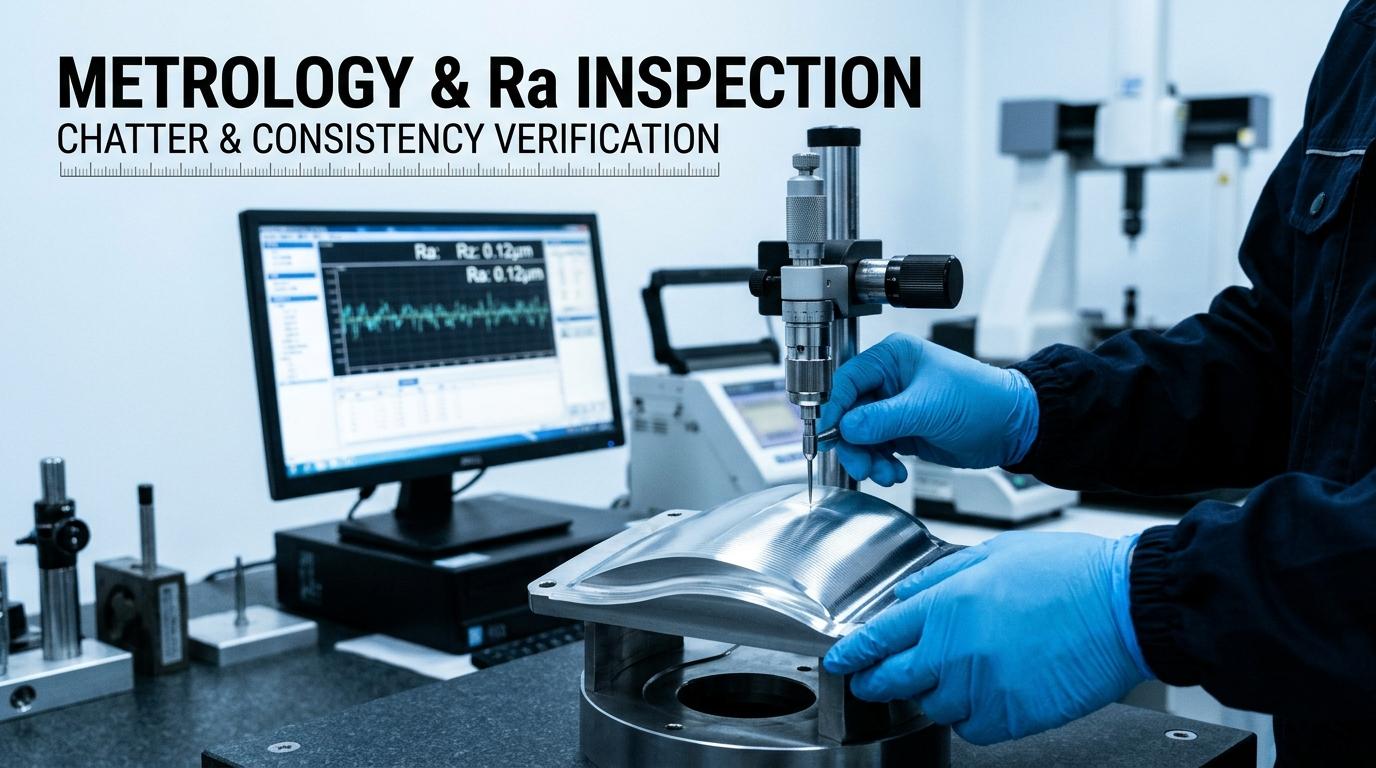
Surface variations are a major challenge in 5-axis CNC machining. Discover how precision machining, dynamic stability CNC, and machine geometry affect surface consistency.
Cutting forces are the real test of a CNC machine. Discover how they reveal machine strength, stability, and performance in precision machining and 5-axis CNC machining.
Machining inconsistency becomes a major issue at scale. This article explains how precision machining and 5-axis CNC help maintain consistency and improve production stability.
High-end 5-axis CNC machines deliver superior precision machining and stability compared to standard CNC systems. Learn the key differences that impact performance and accuracy.
Maintaining accuracy in long 5-axis CNC machining cycles is challenging. Discover how precision machining, thermal control, and stability ensure consistent micron level machining.
Complex geometries push CNC machines to their limits. This article explains how precision machining exposes weaknesses in machine design and how 5-axis CNC improves performance.
Superior Precision and Reduced Positioning Errors with 5 Axis CNC Machining uses continuous tool orientation control to maintain optimal contact with workpieces, eliminating cumulative errors from multiple setups that plague traditional machining, resulting in consistent, high-precision results that meet the strictest requirements for complex parts.
Explore the machine architecture behind the process. Start with your workpiece, then consider the configuration.
Tell us what you need to machine.
Let's explore the right platform, together.