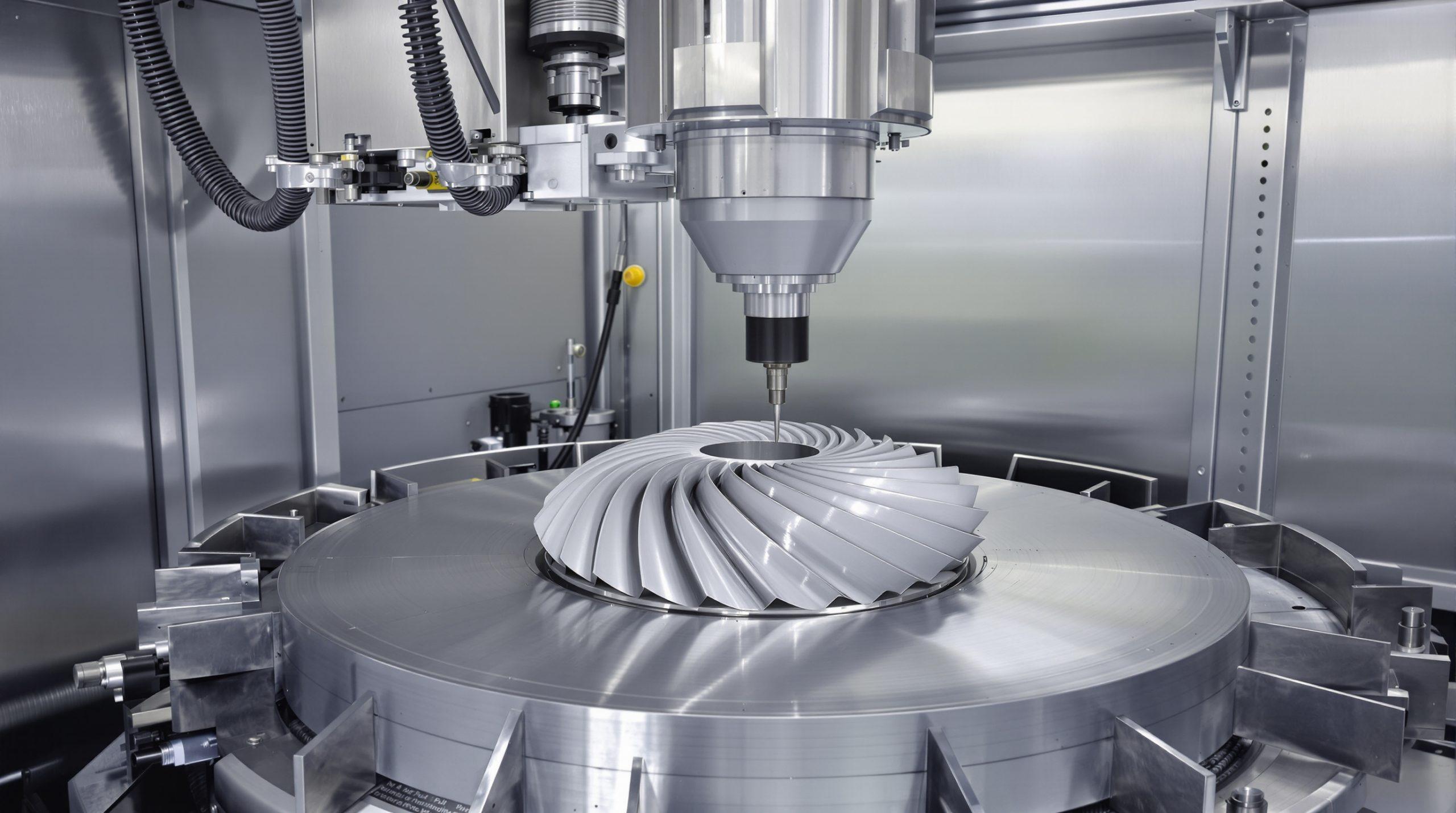
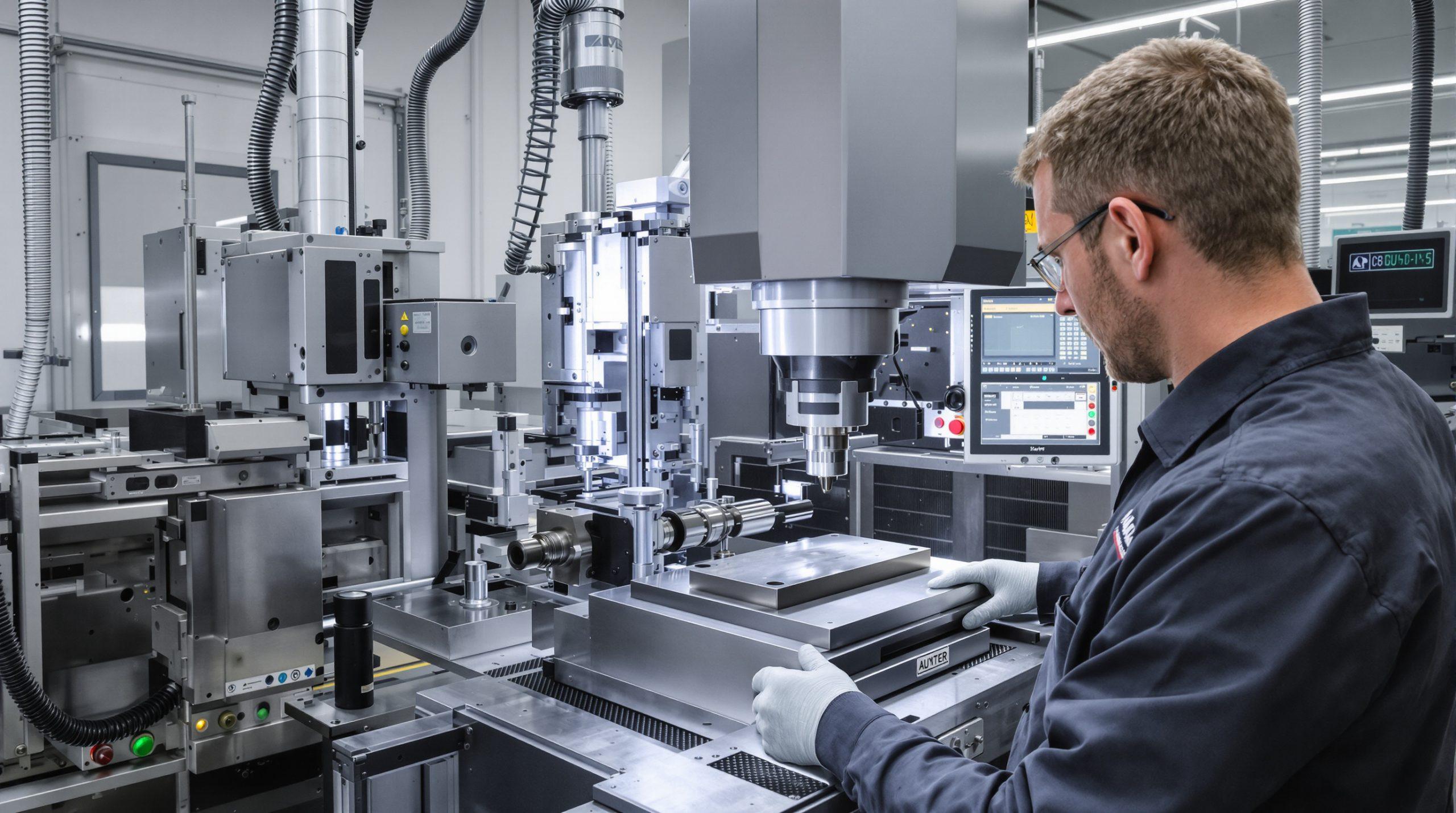
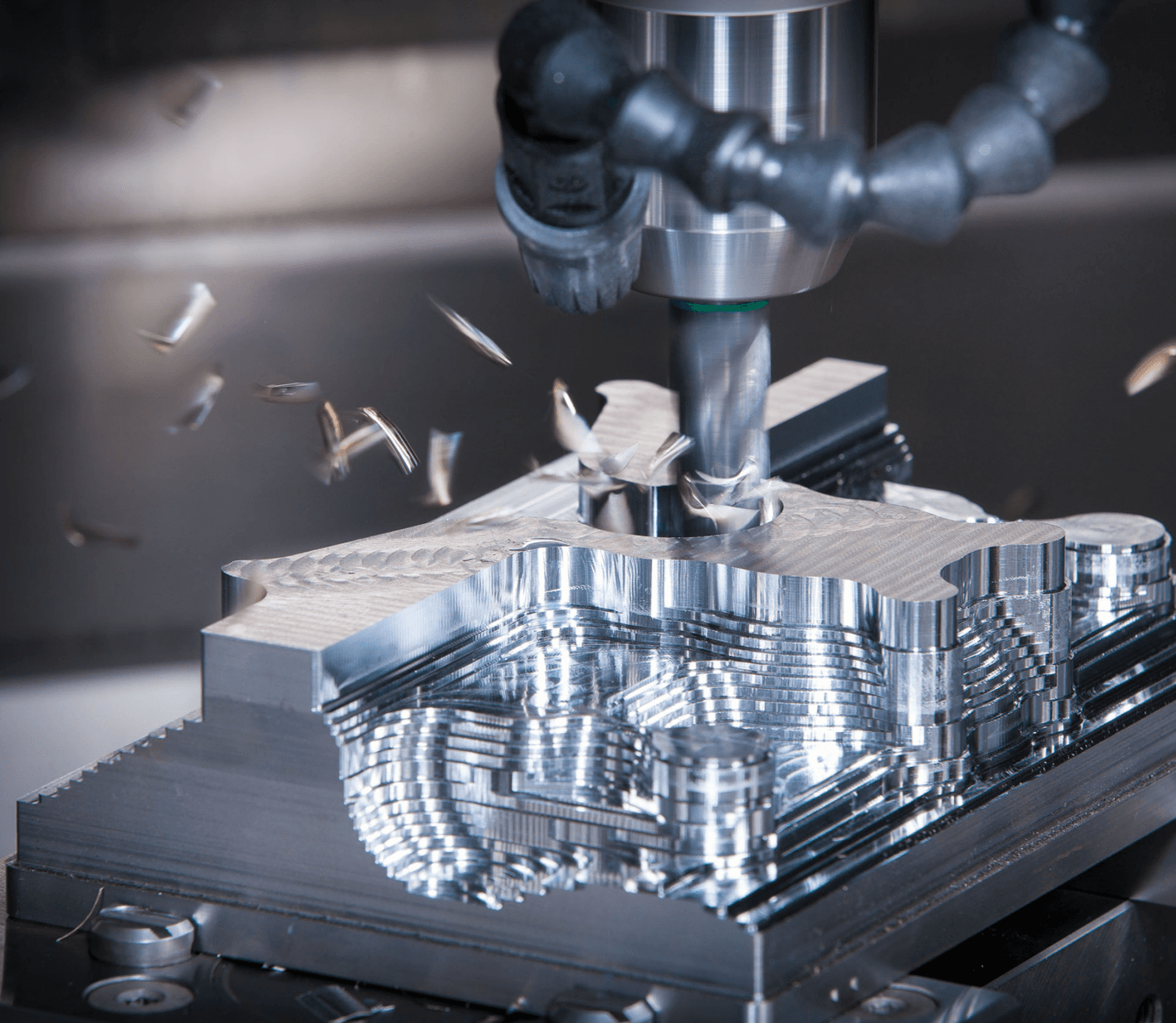
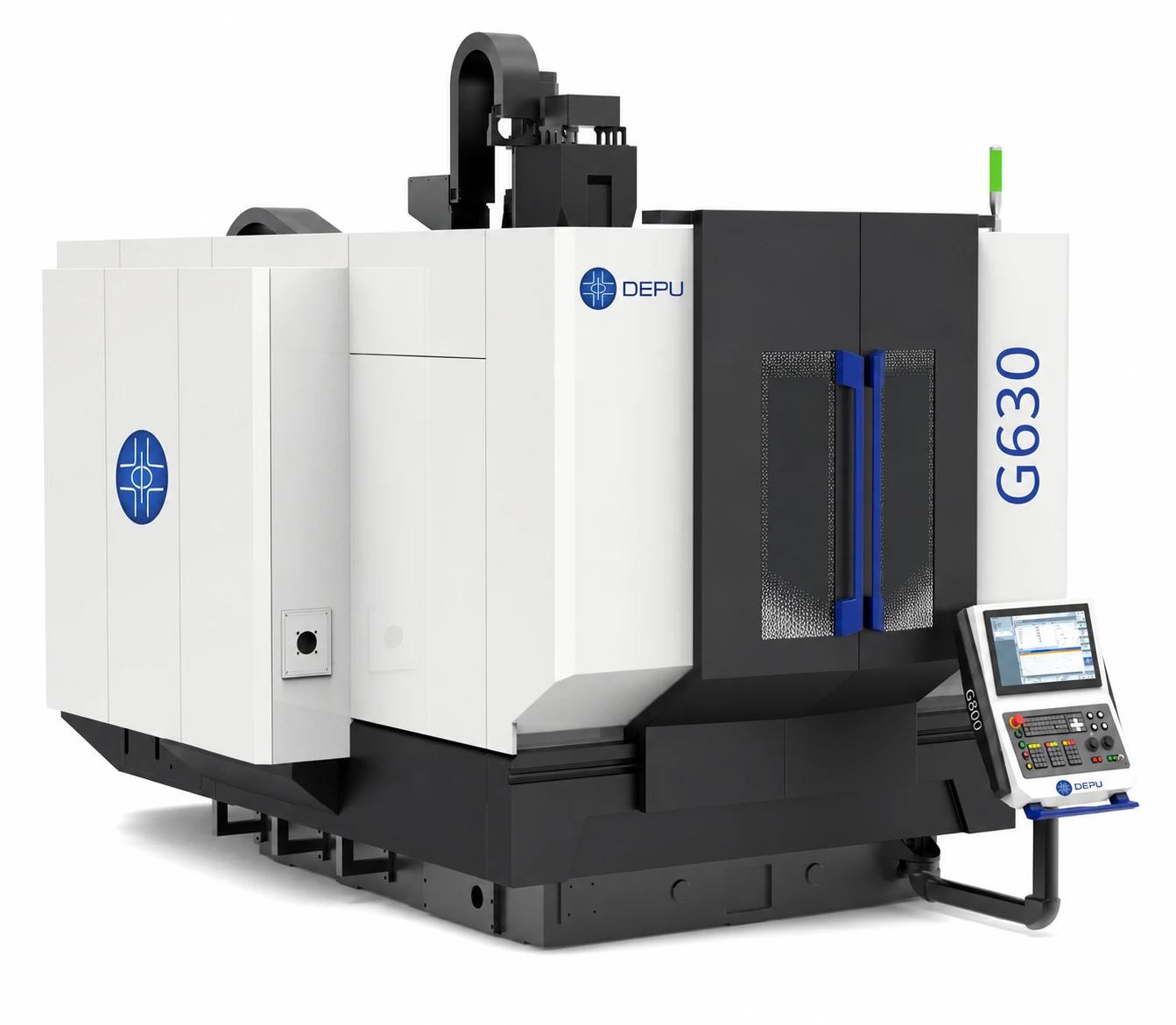
5-axis machining creates value far beyond fewer setups. From first workpiece positioning to final surface finishing, it improves accessibility, accuracy, tool engagement, and production efficiency for complex parts.
Fewer setups are one of the most recognized advantages of 5-axis machining, but they are only part of the story. Modern 5-axis CNC technology can improve tool accessibility, surface quality, dimensional consistency, programming flexibility, and overall production efficiency. Understanding these less obvious benefits helps manufacturers determine where 5-axis machining can create the greatest value.
5-axis machining can dramatically improve complex part production, but it is not automatically the best solution for every job. Understanding when 5-axis CNC technology creates real value—and when a 3-axis or 3+2 setup is sufficient—helps manufacturers make better machine investment decisions.
A larger 5-axis CNC machine does not automatically provide better machining capability. For complex parts, workpiece accessibility, rotary-axis range, tool clearance, and fixture design can be more important than machine size alone.
Workpiece size and weight are critical factors when selecting a 5-axis CNC machine. Learn how part dimensions, table load, rotary capacity, machine travel, rigidity, and workholding requirements influence the right machine configuration.
Trunnion and tilting-head 5-axis machining centers offer different approaches to multi-axis machining. Understanding their structural and operational differences helps manufacturers select the right machine for part size, accessibility, rigidity, and production requirements.
Advanced 5-axis CNC technology is reshaping precision manufacturing by enabling complex part production with fewer setups, improved accuracy, enhanced automation, and greater production flexibility. From aerospace and medical components to advanced industrial applications, 5-axis CNC machines are becoming essential for future manufacturing competitiveness.
A complete guide to setting up a horizontal mill for heavy metal cutting. Learn how spindle orientation, workholding, cutter selection, and cutting parameters improve productivity, accuracy, and tool life.
By DEPU
Showing 19–27 of 150 articles
From insight to application
Find your platform.
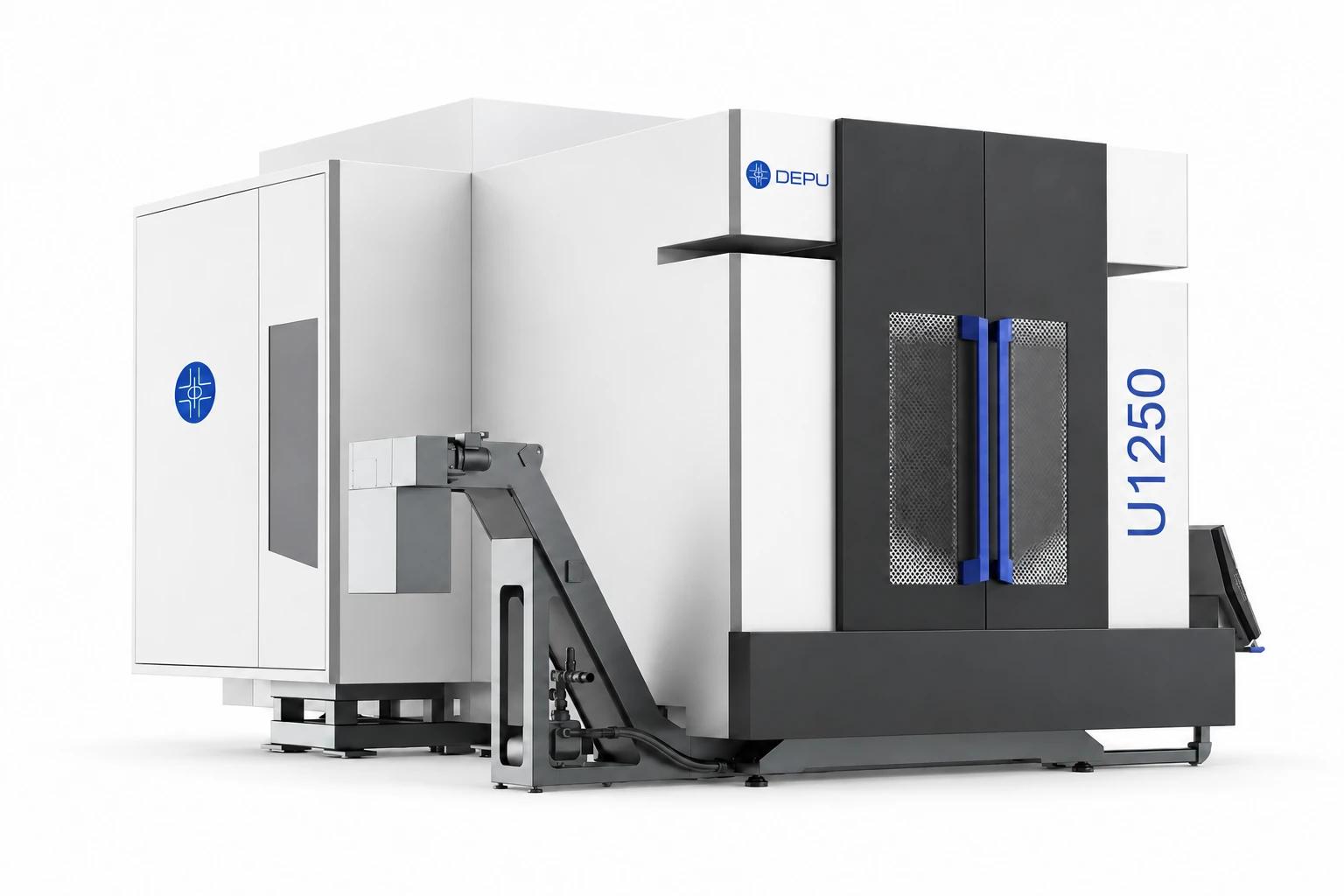
Explore the machine architecture behind the process. Start with your workpiece, then consider the configuration.