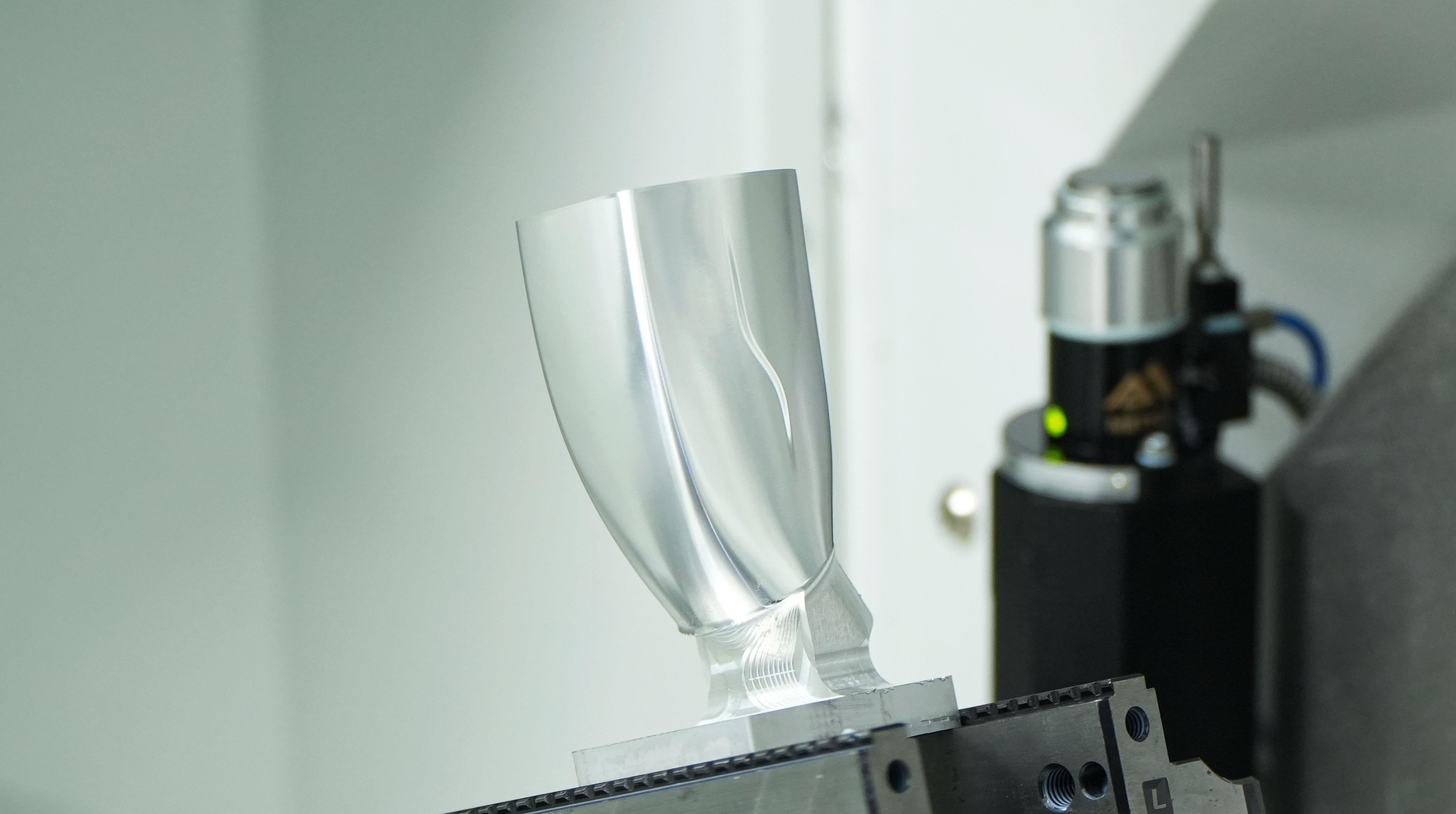

The Challenge of Complex Multi-Surface Parts
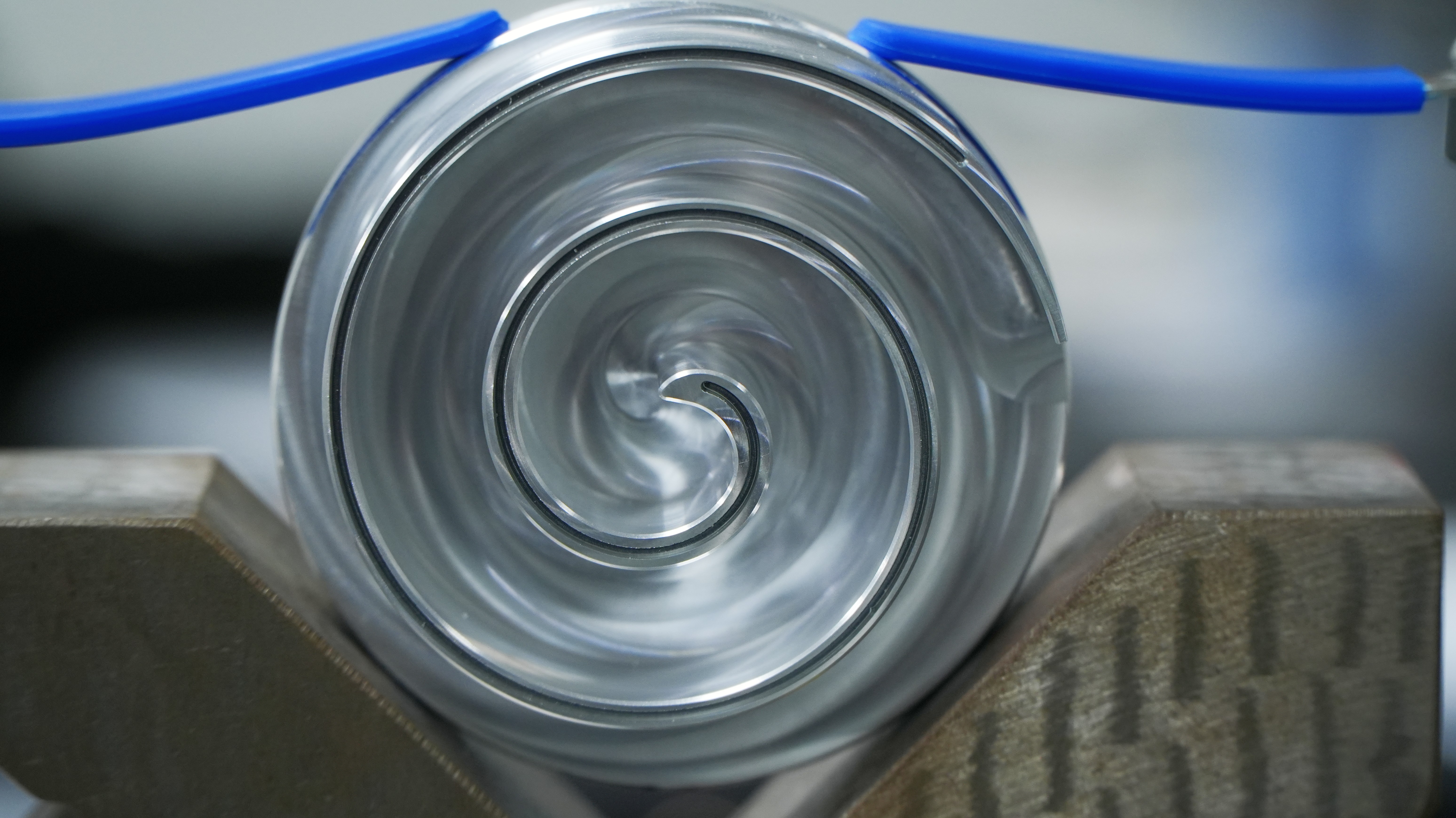
Modern manufacturing increasingly demands components with intricate geometries, multiple surfaces, and tight tolerances. Industries such as aerospace, medical devices, and precision engineering rely on parts that require machining from multiple angles.
Traditional machining methods often require multiple setups, manual repositioning, and complex fixturing. These limitations reduce productivity and introduce potential errors.
This is where 5-axis machining efficiency for complex parts becomes a key advantage. By enabling simultaneous multi-axis movement, 5-axis machines significantly streamline the manufacturing process.
Reducing Setup Time
One of the most important benefits of 5-axis machining efficiency for complex parts is the ability to reduce the number of setups required.
In 3-axis machining, parts must be repositioned multiple times to access different surfaces. Each setup introduces:
-
additional labor time
-
alignment errors
-
increased downtime
With 5-axis machining, multiple surfaces can be processed in a single setup. This reduces manual intervention and ensures better consistency between operations.
Fewer setups directly translate into higher production efficiency and lower overall manufacturing costs.
Continuous Multi-Surface Machining
Complex parts often require machining across several surfaces with smooth transitions. 5-axis machines allow continuous cutting across these surfaces without stopping or repositioning.
This capability is a core reason for improved 5-axis machining efficiency for complex parts. Continuous machining provides:
-
smoother surface finishes
-
improved dimensional consistency
-
reduced machining time
By maintaining uninterrupted tool paths, manufacturers can achieve higher productivity while maintaining precision.
Optimized Tool Orientation and Shorter Tool Paths
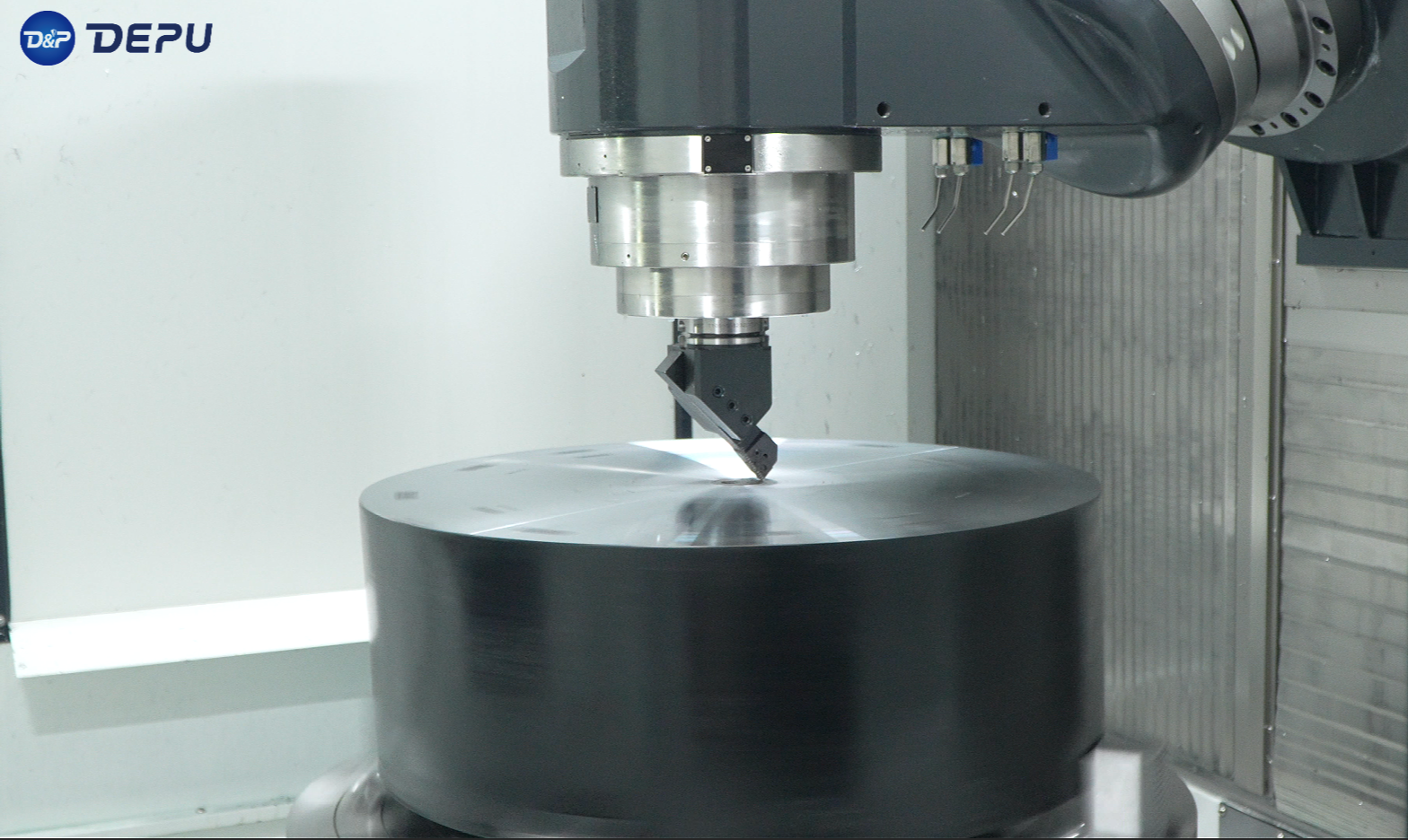
Another critical factor in 5-axis machining efficiency for complex parts is the ability to dynamically adjust tool orientation.
Instead of relying on long tools to reach difficult areas, 5-axis machines position the tool at optimal angles. This results in:
-
shorter tool lengths
-
increased cutting stability
-
higher material removal rates
Shorter and more efficient tool paths reduce machining time and improve tool life, contributing to overall efficiency gains.
Improved Cutting Conditions and Tool Life
Maintaining optimal cutting conditions is essential for efficient machining. 5-axis machining enables better control of tool engagement with the workpiece.
By continuously adjusting tool angles, the machine can:
-
maintain consistent cutting forces
-
reduce tool wear
-
prevent excessive heat buildup
These advantages further enhance 5-axis machining efficiency for complex parts, especially when working with challenging materials such as titanium or high-strength alloys.
Reduced Fixturing Complexity
Traditional machining often requires complex fixtures to hold parts in multiple orientations. Designing and manufacturing these fixtures adds cost and time to production.
5-axis machining reduces the need for elaborate fixturing because the machine itself provides the required flexibility.
This simplification is another contributor to 5-axis machining efficiency for complex parts, allowing manufacturers to:
-
lower tooling costs
-
shorten production preparation time
-
increase overall workflow flexibility
Enhanced Accuracy and Consistency
Every time a part is repositioned, there is a risk of misalignment. These small errors can accumulate and affect final part quality.
By minimizing setups and maintaining a single coordinate system, 5-axis machining improves dimensional consistency.
This accuracy advantage reinforces 5-axis machining efficiency for complex parts, particularly in industries where precision is critical.
Applications Across Industries
The efficiency benefits of 5-axis machining are especially valuable in industries that produce complex geometries, including:
-
aerospace components (e.g., turbine blades, structural parts)
-
medical implants with organic shapes
-
precision molds and dies
-
automotive performance components
In these applications, the ability to machine multiple surfaces efficiently is essential for meeting both quality and production targets.
Conclusion
5-axis machining represents a significant advancement in manufacturing efficiency, particularly for complex multi-surface parts. By reducing setups, optimizing tool paths, and enabling continuous machining, manufacturers can achieve higher productivity and better part quality.
The advantages of 5-axis machining efficiency for complex parts make it an essential technology for modern high-precision manufacturing environments.
As part complexity continues to increase, 5-axis machining will play an even greater role in improving production efficiency and competitiveness.
FAQ
1. Why is 5-axis machining more efficient than 3-axis machining?
Because it reduces setups, allows continuous multi-surface machining, and optimizes tool paths in a single operation.
2. How does 5-axis machining reduce production time?
By machining multiple surfaces in one setup and minimizing manual repositioning, overall cycle time is significantly reduced.
3. Does 5-axis machining improve surface finish?
Yes, continuous tool paths and optimized cutting angles result in smoother surface finishes.
4. What types of parts benefit most from 5-axis machining?
Complex, multi-surface parts such as aerospace components, molds, and medical devices benefit the most.