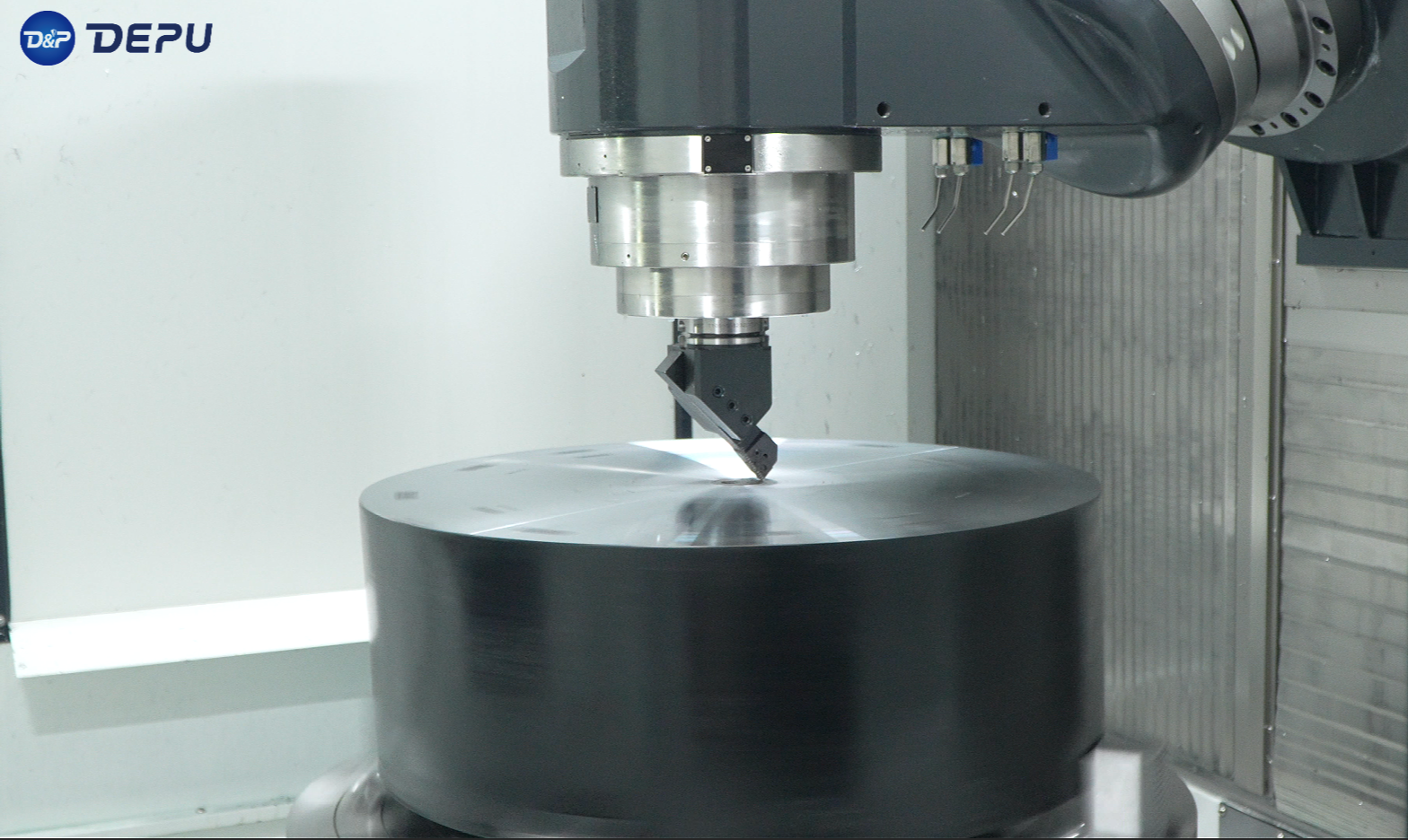

Aerospace: Mission-Critical Precision and Efficiency Gains with 5-Axis CNC Technology
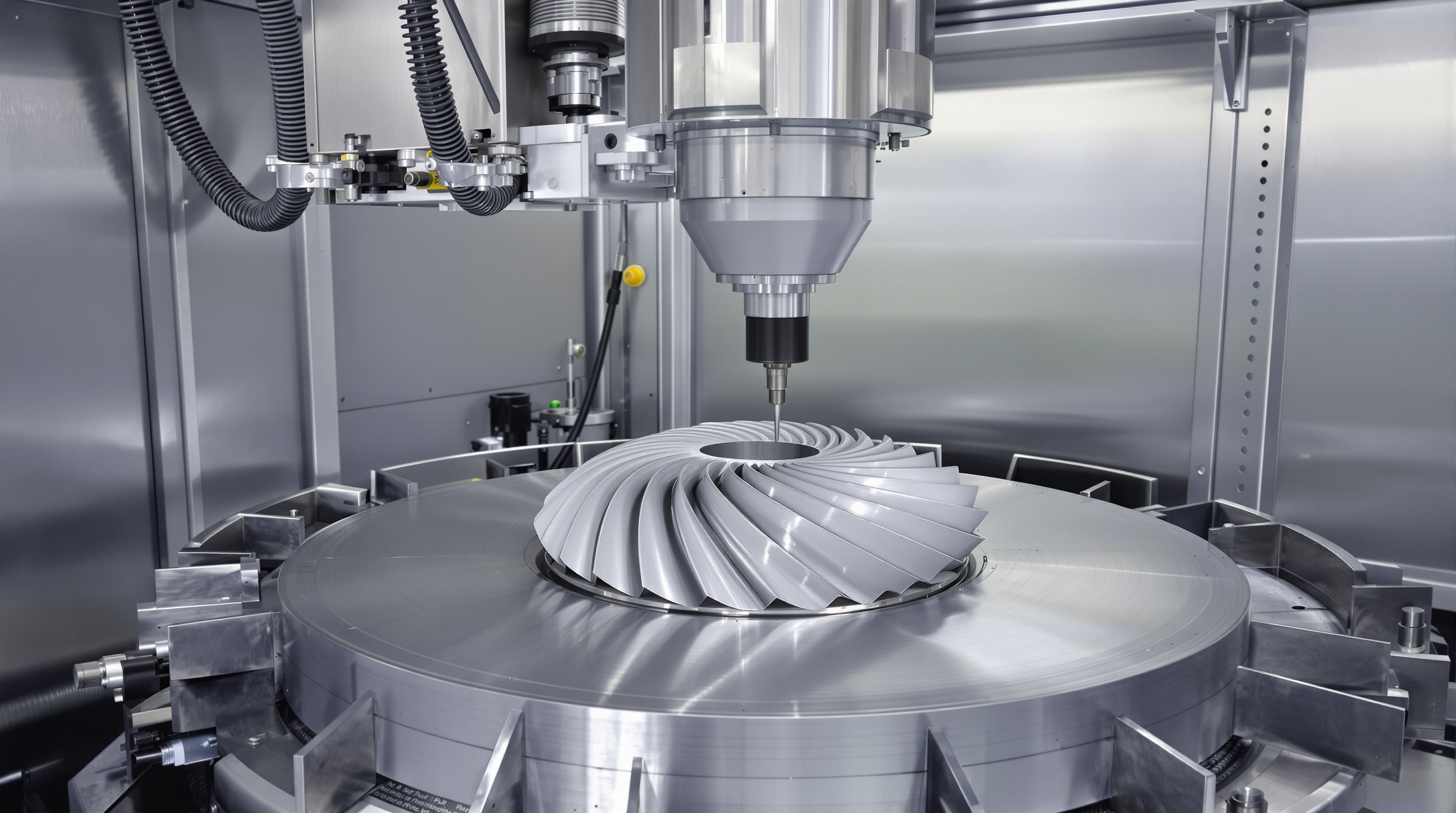
Turbine Blades and Structural Components Machined to Sub-10-Micron Tolerances
The 5-axis CNC tech really takes precision to another level when it comes to making parts for aircraft engines and wings. We're talking about tolerances under 10 microns here, which is amazing considering we're working with tough materials like Inconel and titanium that can withstand extreme temperatures. What makes this possible is how the machine keeps the tool positioned continuously throughout the process. This means no need for those extra setup steps that usually introduce errors, so complicated shapes get machined all at once without interruption. The ability to rotate freely around the workpiece also helps optimize cutting angles on those delicate thin walls. Less vibration happens because the tool stays in contact consistently, resulting in surface finishes better than 16 microinches Ra. These kinds of results are absolutely essential for planes to fly efficiently and last longer between maintenance checks.
The intricate internal cooling channels inside turbine blades really show what modern machining can do. These complex geometries need full 5-axis movement to create those smooth, uninterrupted paths that won't damage the blade structure during milling. Switching from traditional 3-axis methods gives manufacturers around 25% better material usage, which makes a huge difference when dealing with expensive metals like nickel and titanium alloys. What's even cooler? The machines come equipped with built-in probing systems that detect tool wear as it happens. This means parts stay dimensionally accurate throughout long production cycles without anyone needing to constantly check and adjust tools manually. Just another way advanced manufacturing keeps getting smarter day by day.
Integrated 5-Axis Machining Cells Reducing Cycle Time by 30%: Lessons from Industry Leaders
Top names in aerospace manufacturing are changing how they produce components with these fancy 5 axis machining setups that bring together milling, drilling, and quality checks all in one go. A big player in aviation actually saw their cycle times drop by around 32% once they switched over. The main reason? They got rid of all those extra steps where parts had to be moved around, set up again, and sent through separate machines. And then there's the automated pallet changer system which lets factories run overnight without anyone watching. Fresh pieces get loaded onto the machine just as the completed ones come off, so downtime between jobs has been slashed by almost half according to reports from the shop floor.
CAM software takes things to another level when it comes to production speed because it calculates toolpaths that avoid collisions while removing material at maximum efficiency. With real time monitoring in place, the system acts as its own quality checker, catching any issues bigger than 5 microns right away so bad parts don't get sent on for further processing. The fact that this verification is already built into the process means getting FAA approval happens faster. Manufacturers can produce critical aircraft parts like engine mounts and landing gear exactly when needed, without delays. And the results speak for themselves these days, with most operations hitting around 98 percent success rate on their first attempt.
Medical Devices: Advancing Customization and Regulatory-Ready Production via 5-Axis CNC Technology
Patient-Specific Titanium Implants Matched to CT Data Using Full 5-Axis Contouring
Medical device manufacturers are turning to 5-axis CNC machines to create custom titanium implants straight from patients' CT or MRI scans. With full 5-axis contouring capabilities, doctors can get really precise spinal cages, cranial plates, and hip socket implants all made in one go rather than multiple setups. The results? Surgical margins down below 20 microns which is actually about four times better than older methods that needed several setups. No more moving parts around manually means the implants fit much better against the body's curves, and according to some recent studies published in medical journals, this cuts down on implant rejection rates by roughly 19%. What used to take weeks from design to finished product now happens within days. Even those complicated orthopedic guides that once required adjusting across seventeen different axes during manufacturing? They're getting made in just one smooth operation these days.
Bridging the Gap: How Leading OEMs Align Rapid 5-Axis Innovation with FDA Quality System Requirements
Manufacturers of original equipment (OEMs) have started building regulatory compliance right into their 5 axis workflow using digitally verified protocols. With real time checks on tool paths, automatic recording of dimensions, and tracking materials throughout the process, these features get built into the actual machining cycle itself. This creates audit trails that meet all those FDA 21 CFR Part 820 requirements. What this means is companies spend about 35 percent less time on paperwork while still keeping up with quality standards consistently. Independent tests show these kinds of systems cut down on size variations by around 28% when compared to older techniques. And this makes a big difference for things like making custom surgical guides where quick changes are needed but nothing can compromise either regulatory compliance or patient safety.
Automotive & EV Manufacturing: Scaling Complex Tooling and Powertrain Parts with 5-Axis CNC Technology
Single-Setup Machining of High-Pressure Die Casting Dies Eliminates Re-Clamping Errors
The dies used for high pressure casting of electric vehicle battery housings and structural parts need really precise geometry, particularly when it comes to those critical areas like cooling channels, the holes where ejector pins go, and the contours along the parting line. With traditional multi axis machining methods, there's always some error buildup that can get worse than 50 microns because the workpiece has to be clamped and repositioned multiple times throughout the process. That's where 5 axis CNC machines make such a difference. They allow manufacturers to machine an entire die without having to take it out of the machine at all. The continuous tool path keeps everything aligned properly from start to finish. No more worrying about drift caused by moving the part around between setups. And this matters a lot when working with those lightweight magnesium aluminum alloys that are so popular these days, especially when producing large volumes consistently over time.
Tier 1 automotive suppliers report 40% faster die production cycles and surface finishes under 0.8Ra. Critically, the elimination of fixture transitions also reduces tool wear by sustaining optimal cutting angles across complex contours—supporting zero-defect production for next-generation EV platforms.
Defense & Security: Resilient, On-Demand Production of Geometrically Complex Systems Using 5-Axis CNC Technology
Defense industries depend heavily on parts that must hold their shape down to the micron even when pushed through hellish conditions. Think about things like missile guidance systems where housing needs to stay intact despite intense vibrations, or armored vehicles with subsystems constantly battered around, plus all those sensors sitting in enclosures subjected to impacts and wild temperature swings day after day. That's where 5 axis CNC machines come into play. These advanced tools can handle whole assembly jobs in single operations without needing multiple setups which often introduce errors during repositioning. They basically guarantee that everything lines up just right from inside channels for fluids to connect points for mounting hardware and finally out to those smooth outer surfaces critical for proper air flow characteristics.
The ability becomes really important when dealing with systems exposed to intense impacts such as recoil from weapons or sudden pressure releases. Even tiny misalignments at the sub-micron level might actually break down functionality completely. What makes this tech so valuable also relates to how it strengthens supply chains. Complex parts that need certification can now be manufactured whenever needed rather than waiting weeks. This cuts down waiting periods significantly without sacrificing what matters most: the materials stay strong, dimensions remain stable, and everything works reliably right when deployed in combat situations.
FAQ
What is 5-axis CNC technology?
5-axis CNC technology allows for precise machining of complex parts by maneuvering the cutting tool on five different axes simultaneously, enhancing precision and efficiency.
How does 5-axis CNC technology benefit aerospace manufacturing?
5-axis CNC technology enables the production of components with sub-10-micron tolerances, optimizing cutting angles to reduce vibration and improve surface finishes, crucial for aerospace applications.
What are the advantages of using 5-axis CNC machines in medical device manufacturing?
In medical device manufacturing, 5-axis CNC machines allow for the production of patient-specific implants with improved fit and reduced rejection rates, significantly speeding up production timelines.
How does 5-axis CNC technology improve automotive and EV manufacturing?
In automotive and EV manufacturing, 5-axis CNC technology enables single-setup machining that eliminates reclamping errors, reduces cycle time, and supports zero-defect production.