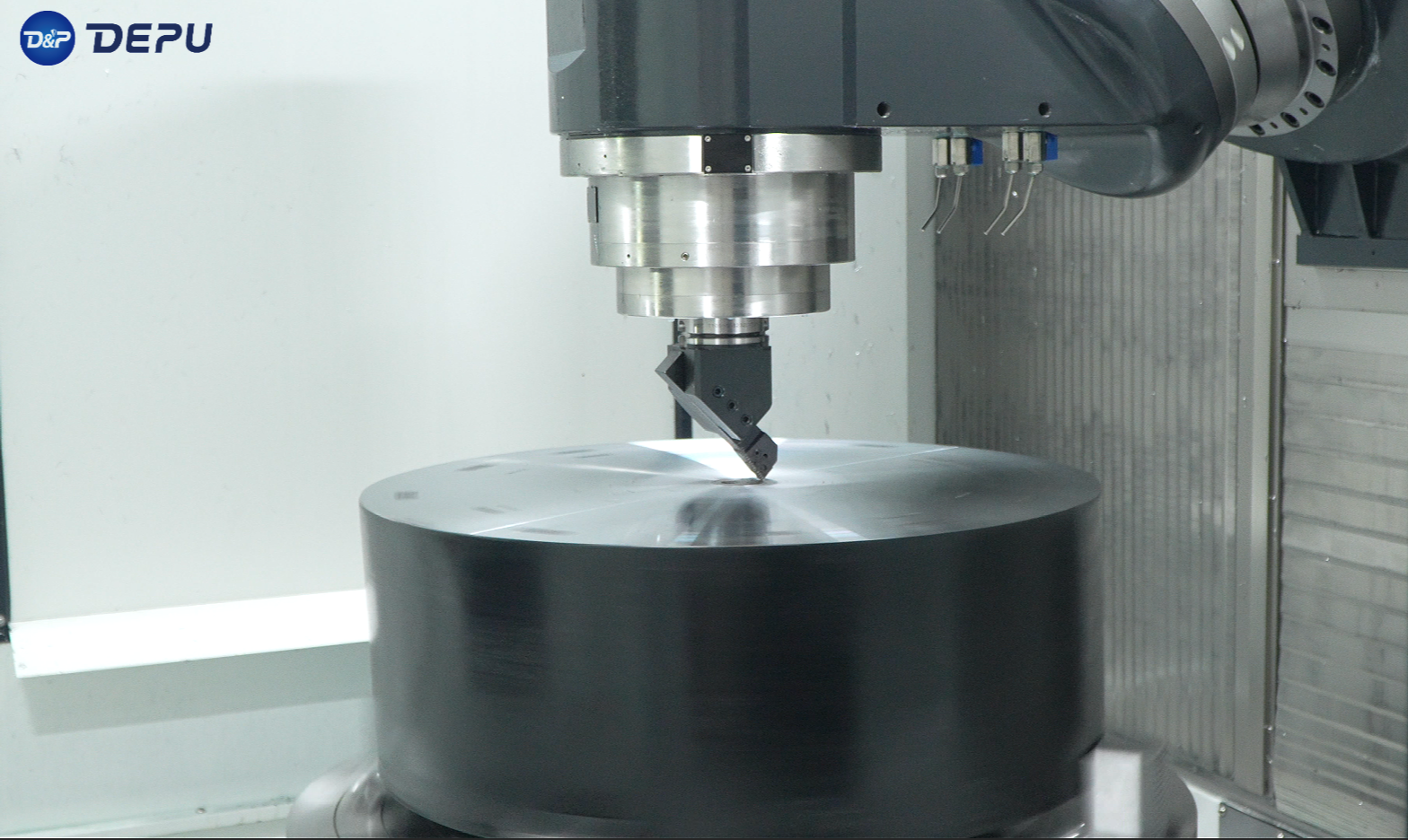

Why Stable Kinematics Matter More Than Speed in 5-Axis CNC
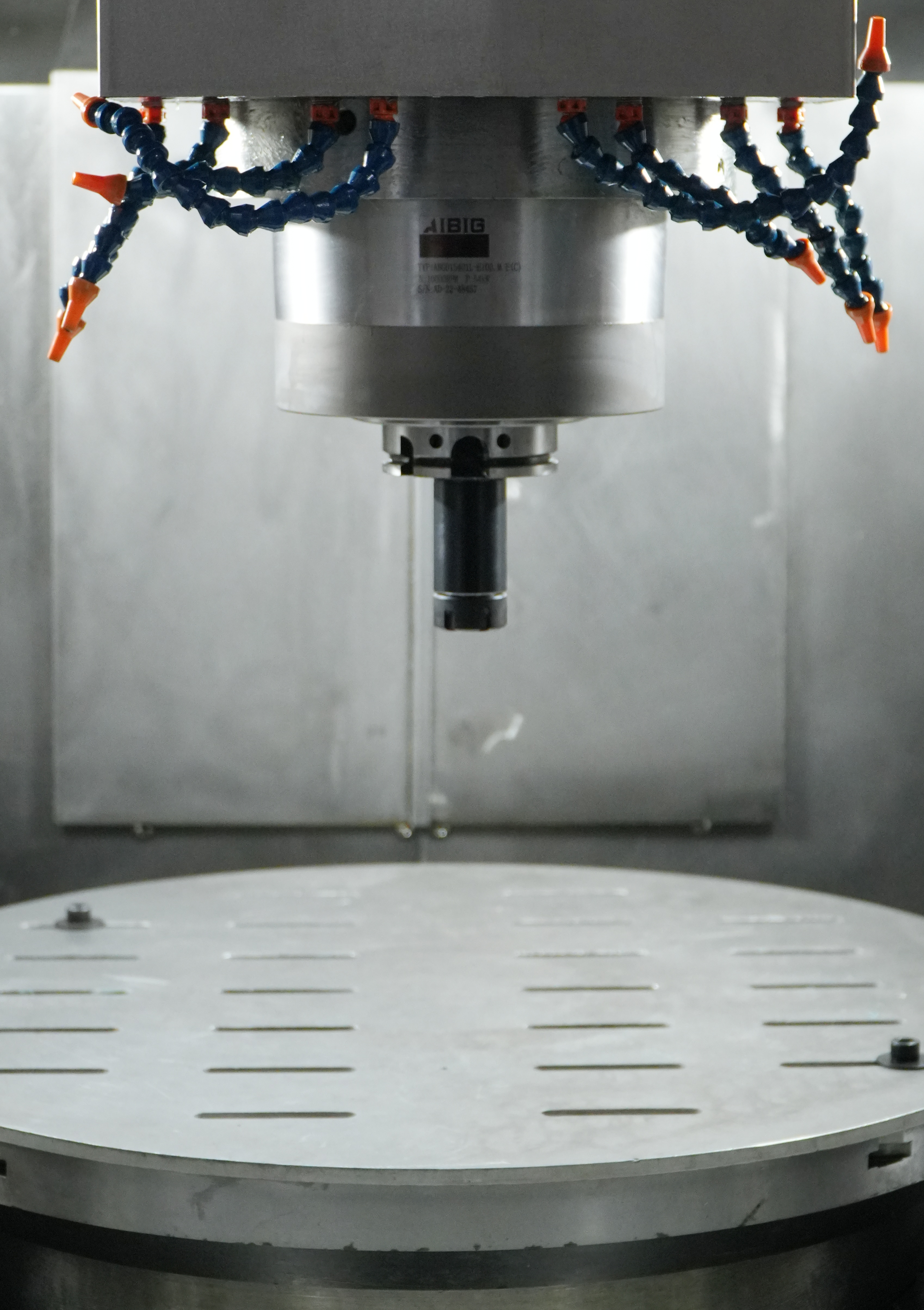
Introduction: Speed vs. Stability in Precision Machining
In modern 5-axis CNC machining, speed is often seen as a key indicator of performance. Faster feeds, higher spindle speeds, and rapid axis movement are commonly associated with higher productivity. However, in reality, precision machining is far more dependent on stability than raw speed.
For manufacturers working with complex geometries, stable kinematics CNC plays a far more critical role than speed alone. Without stable motion control, increasing speed can actually reduce 5 axis machining accuracy and compromise micron level machining.
1. What Are Kinematics in 5-Axis CNC Machining?
In 5-axis CNC machining, kinematics refers to how machine axes move and interact to position the cutting tool relative to the workpiece.
Machine kinematics CNC includes:
-
Coordination between linear and rotary axes
-
Motion interpolation accuracy
-
Tool orientation control
Stable machine kinematics CNC ensures that programmed toolpaths are executed precisely, which is essential for high-quality precision machining.
2. Why Speed Alone Cannot Guarantee Precision
High speed in 5 axis CNC systems can increase productivity, but it also introduces challenges:
-
Increased dynamic loads
-
Higher vibration levels
-
Greater risk of positioning errors
Without stable 5-axis cnc machining kinematics, higher speeds can lead to:
-
Reduced precision CNC machining accuracy
-
Poor surface finish
-
Increased tool wear
This is why precision machining depends more on stability than speed.
3. Stable Kinematics CNC and 5 Axis Machining Accuracy
Stable kinematics CNC is essential for maintaining 5 axis machining accuracy, especially in complex multi-surface parts.
With stable kinematics:
-
Axis movements are synchronized precisely
-
Tool positioning remains consistent
-
Geometric errors are minimized
This enables reliable micron level machining, which is critical in industries requiring high-end precision machining.
4. Dynamic Stability CNC: The Link Between Speed and Precision
Dynamic stability CNC determines how well a machine handles motion at different speeds.
A machine with strong dynamic stability CNC:
-
Maintains smooth motion at high speeds
-
Minimizes vibration and chatter
-
Preserves precision CNC machining quality
Without proper stable kinematics CNC, increasing speed will degrade high precision machining results rather than improve them.
5. Surface Quality in 5-Axis CNC Machining
Surface quality is a direct reflection of kinematic performance in 5-axis CNC machining.
Unstable kinematics can cause:
-
Toolpath deviations
-
Surface waviness
-
Inconsistent finishes
Stable 5-axis cnc machining ensures:
-
Smooth tool movement
-
Consistent cutting conditions
-
Superior surface finish
This is essential for achieving high-quality precision machining results.
6. Complex Geometry Requires Stable Motion
In 5 axis CNC, parts often involve complex curves and multi-angle surfaces.
These applications demand:
-
Continuous multi-axis coordination
-
Accurate tool orientation
-
Smooth transitions between toolpaths
Only stable kinematics CNC can ensure that these requirements are met, enabling consistent micron level machining in complex geometries.
7. Machine Design and Kinematic Optimization
Advanced machine design focuses on improving machine kinematics CNC through:
-
Optimized axis configuration
-
Reduced kinematic chain errors
-
Enhanced control system integration
These improvements support stable 5-axis CNC machining, ensuring reliable precision CNC machining performance even under demanding conditions.
Conclusion: Stability Defines True Performance
In 5-axis CNC machining, speed is only beneficial when it is supported by stability. Without stable kinematics CNC, higher speeds can reduce accuracy, increase vibration, and compromise results.
True precision machining depends on:
-
Stable kinematic behavior
-
Strong dynamic stability CNC
-
Consistent 5 axis machining accuracy
-
Reliable micron level machining
For manufacturers focused on high-end 5 axis CNC applications, investing in stable kinematics is far more important than simply increasing speed.
FAQ
1. What is kinematics in 5-axis CNC machining?
Kinematics refers to how machine axes move and coordinate to position the tool accurately during machining.
2. Why is stable kinematics CNC important for precision machining?
It ensures accurate tool positioning, smooth motion, and consistent machining results, which are critical for precision machining.
3. Does higher speed improve 5 axis machining accuracy?
Not necessarily. Without stable kinematics, higher speed can reduce accuracy and increase vibration.
4. How does dynamic stability CNC relate to kinematics?
Dynamic stability controls how the machine behaves under motion, supporting stable kinematics and consistent precision.
5. What industries rely on stable 5-axis CNC machining?
Aerospace, medical, automotive, and mold manufacturing all require stable kinematics for high precision machining.