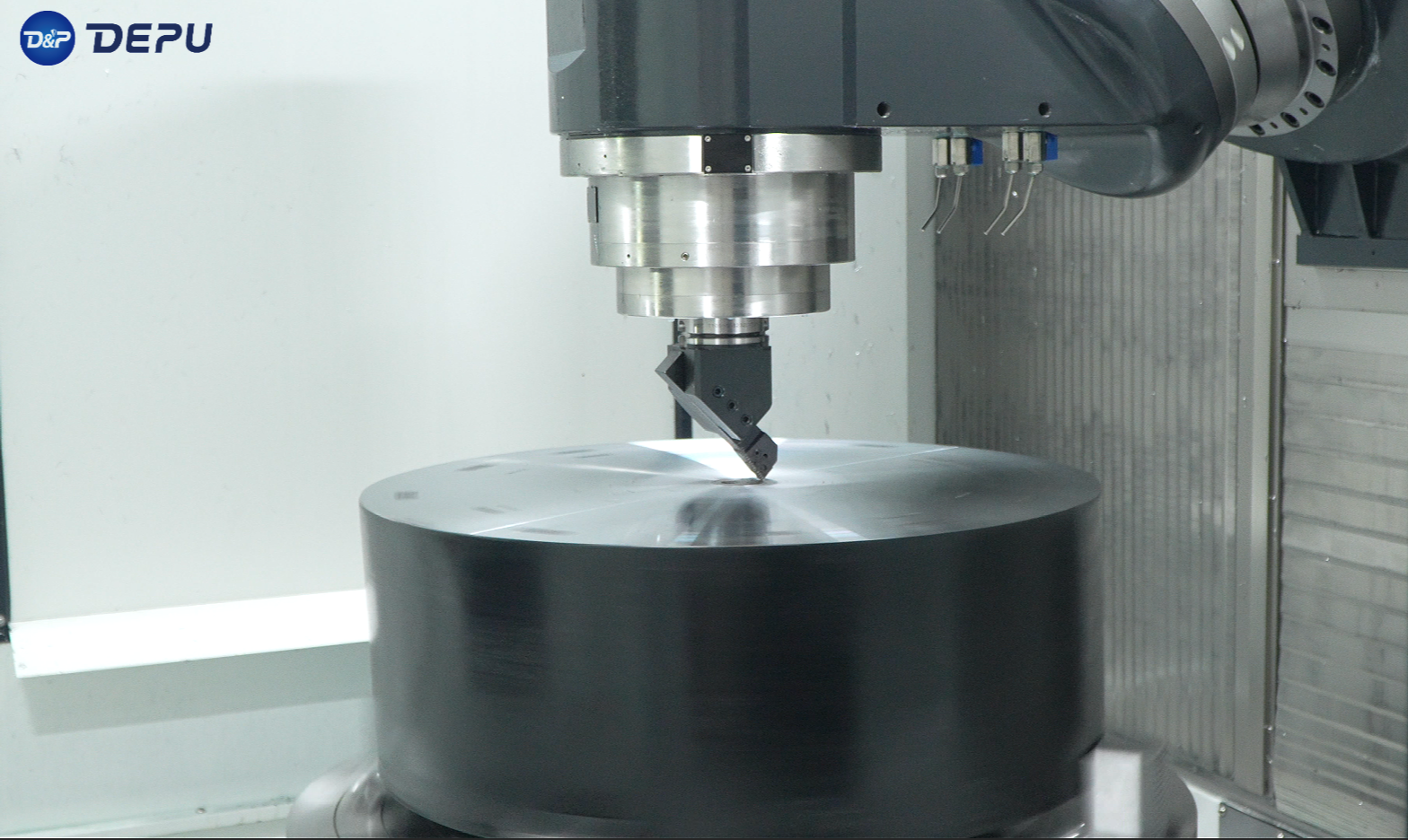

How Reducing Spindle Overhang Improves Cutting Stability and Accuracy
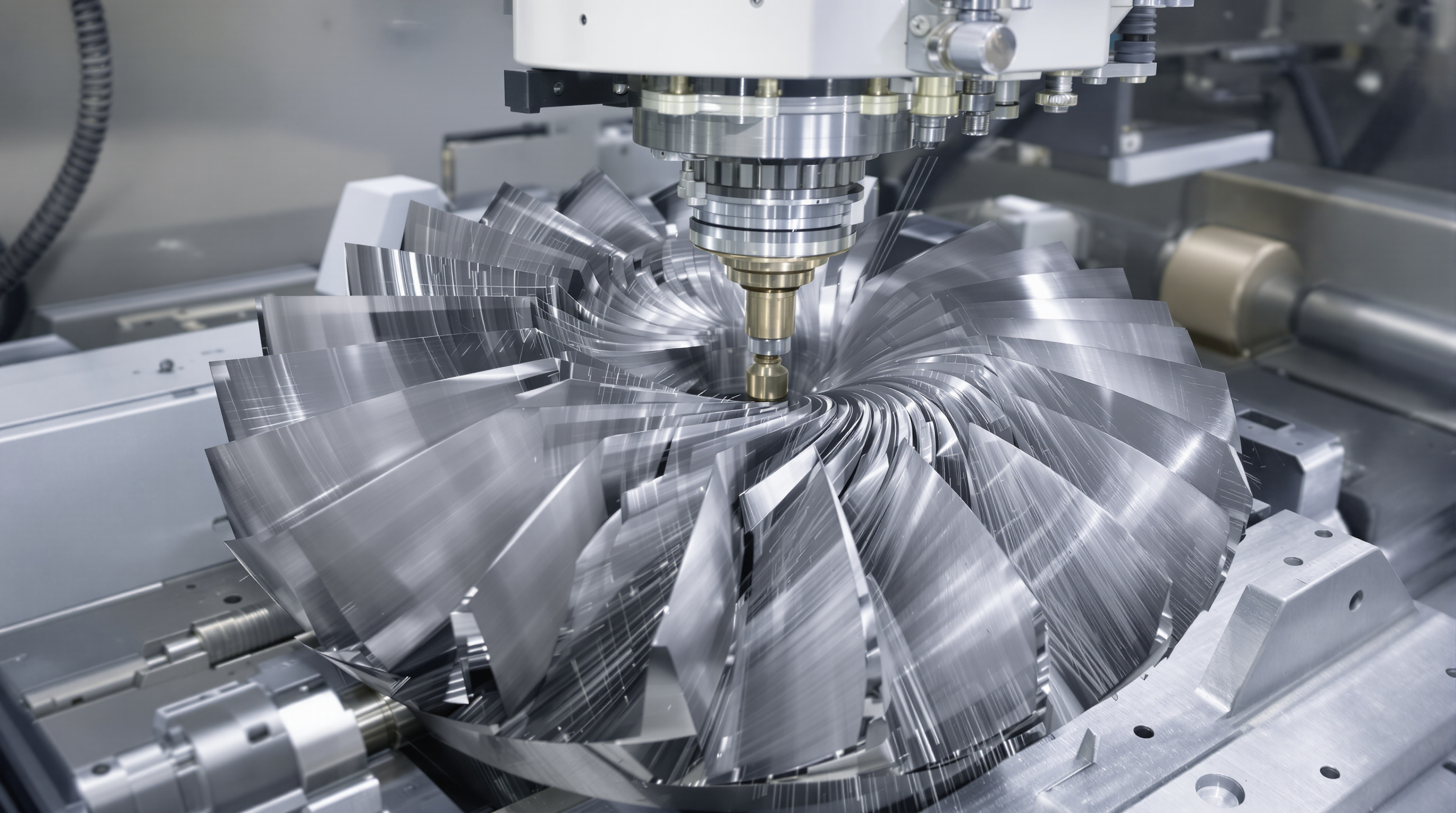
Introduction: Small Distance, Big Impact
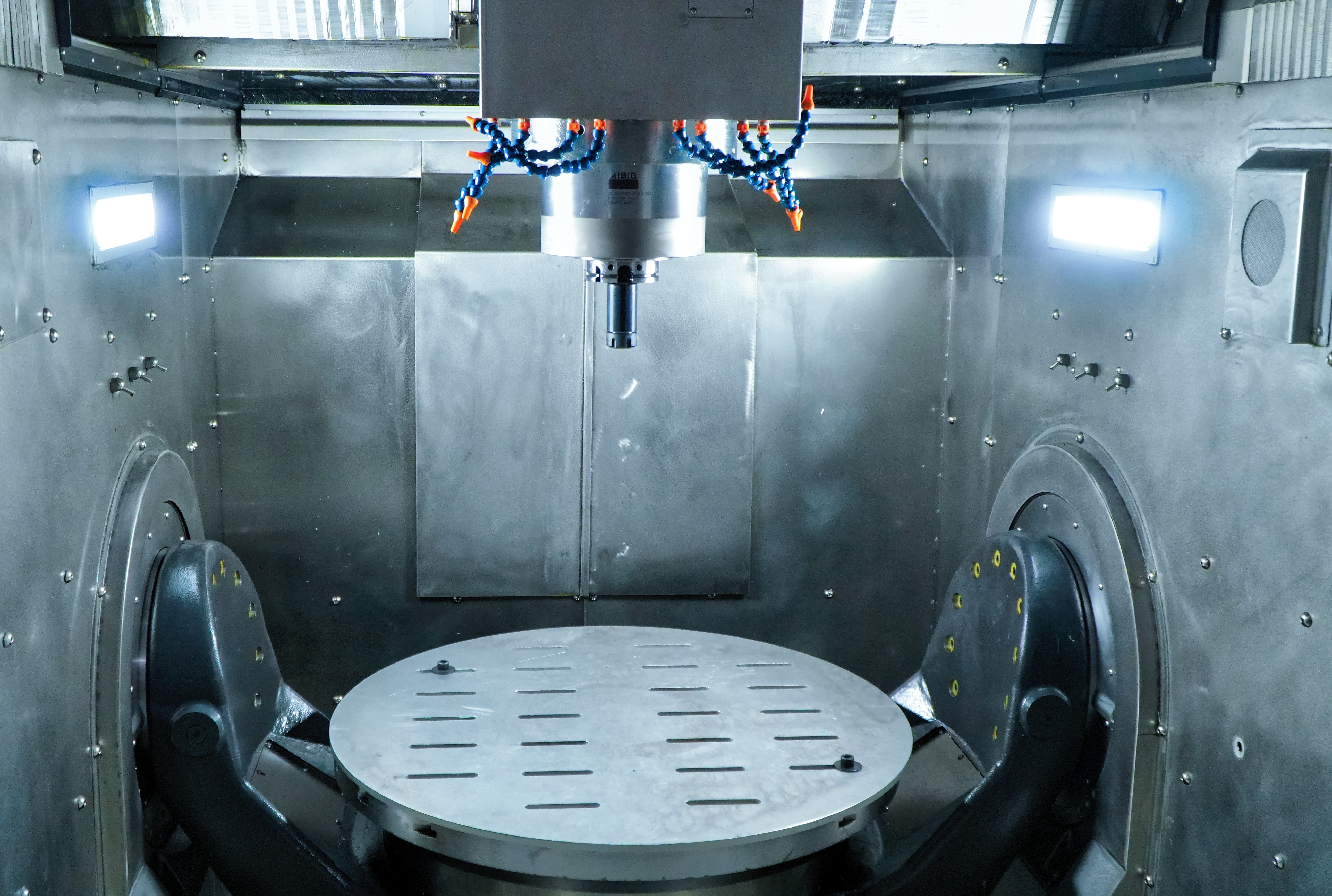
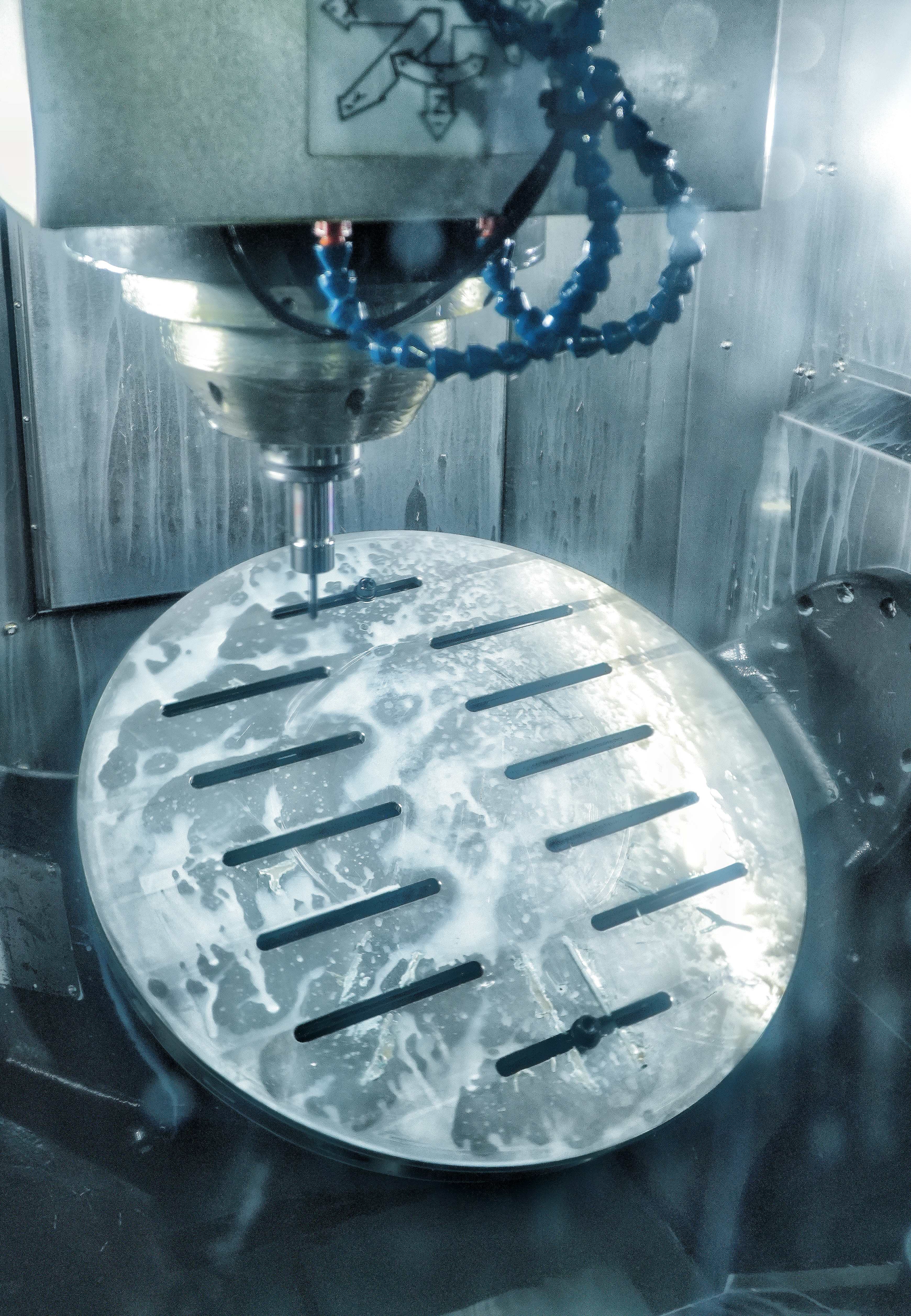
In high precision machining, even small structural factors can significantly affect performance. One of the most critical yet often overlooked variables is spindle overhang CNC—the distance between the spindle nose and the cutting tool tip.
Excessive overhang reduces CNC machine rigidity, increases vibration, and directly limits micron level machining capability. By minimizing overhang, manufacturers can dramatically improve cutting stability CNC and overall machining accuracy.
1. Spindle Overhang CNC and Its Effect on Rigidity
Spindle overhang CNC directly influences the stiffness of the entire cutting system. The longer the overhang, the greater the leverage acting on the spindle and tool.
Reducing overhang:
- Increases CNC machine rigidity
- Reduces tool deflection under load
- Improves dimensional accuracy
A shorter tool setup creates a more stable force transmission path, which is essential for maintaining consistent precision CNC machining.
2. Dynamic Stability CNC: Minimizing Vibration and Chatter
Long overhang setups are highly susceptible to vibration, especially during high-speed machining. This directly affects dynamic stability CNC.
By reducing spindle overhang CNC:
- Natural frequency of the system increases
- Vibration amplitude decreases
- Chatter is significantly reduced
Improved dynamic stability CNC leads to better surface finishes and more stable micron level machining performance.
3. Cutting Stability CNC: Improving Tool Engagement
Cutting stability CNC depends on how consistently the tool engages with the material. Excessive overhang introduces instability that disrupts this engagement.
Shorter overhang provides:
- More consistent cutting forces
- Improved chip formation
- Reduced tool wear
This is especially important in high precision machining, where even minor instability can affect final part quality.
4. Impact on 5 Axis Machining Accuracy
In 5 axis machining, tool orientation changes constantly, which amplifies the effects of overhang.
Reducing spindle overhang CNC helps:
- Maintain stable tool positioning across multiple angles
- Improve 5 axis machining accuracy
- Reduce cumulative errors during complex toolpaths
This is critical for applications such as aerospace components, medical parts, and precision molds requiring consistent micron level machining.
5. Interaction with Machine Tool Structure Design
While machine tool structure design provides the foundation for rigidity, excessive overhang can undermine even the most advanced machine structure.
Optimized setups combine:
- High CNC machine rigidity
- Minimal spindle and tool overhang
- Balanced cutting conditions
This ensures that the full capability of the machine is utilized for precision CNC machining.
6. Practical Strategies for Tool Overhang Reduction
To improve performance, manufacturers can adopt several strategies:
- Use the shortest possible tool length
- Select appropriate tool holders
- Optimize fixture design to bring the workpiece closer
- Match tool geometry to application requirements
These approaches directly enhance cutting stability CNC and enable more reliable micron level machining.
Conclusion: Shorter Overhang, Higher Precision
Reducing spindle overhang CNC is one of the most effective ways to improve machining performance. It directly enhances:
- CNC machine rigidity
- Dynamic stability CNC
- Cutting stability CNC
- 5 axis machining accuracy
For manufacturers focused on high precision machining, controlling overhang is not just a setup detail—it is a critical factor in achieving consistent, high-quality results.
FAQ
1. What is spindle overhang in CNC machining?
Spindle overhang refers to the distance between the spindle nose and the cutting tool tip, which affects rigidity and stability.
2. Why does longer overhang reduce machining accuracy?
Longer overhang increases leverage and deflection, leading to vibration, reduced rigidity, and lower machining precision.
3. How does reducing spindle overhang improve cutting stability CNC?
It minimizes vibration and ensures more consistent cutting forces, improving overall stability and surface quality.
4. Is spindle overhang more critical in 5 axis machining?
Yes. In 5 axis machining, changing tool orientations amplify the effects of overhang, making it more critical for maintaining accuracy.
5. What are practical ways to reduce tool overhang?
Using shorter tools, optimized holders, and better fixture setups can effectively reduce overhang and improve machining performance.