
Warranty Is More Than a Marketing Promise
In industrial equipment, warranty length often signals something deeper than customer support policies. It reflects how confident a manufacturer is in the structural integrity and long-term reliability of its machines.
When manufacturers provide a long-term warranty in CNC machines, they are essentially making a statement about the durability of their mechanical architecture, assembly precision, and component quality.
A short warranty may cover initial operation. A long warranty demonstrates confidence in sustained performance.
For precision manufacturing environments, that difference matters.
Structural Stability Defines Machine Longevity
The core reason behind offering a long-term warranty in CNC machines is structural stability. Machine frames, guideways, and spindle systems must maintain rigidity and alignment over years of operation.
If the machine structure experiences deformation, vibration amplification, or gradual loss of alignment, machining accuracy deteriorates quickly.
High-performance machine builders therefore focus on:
-
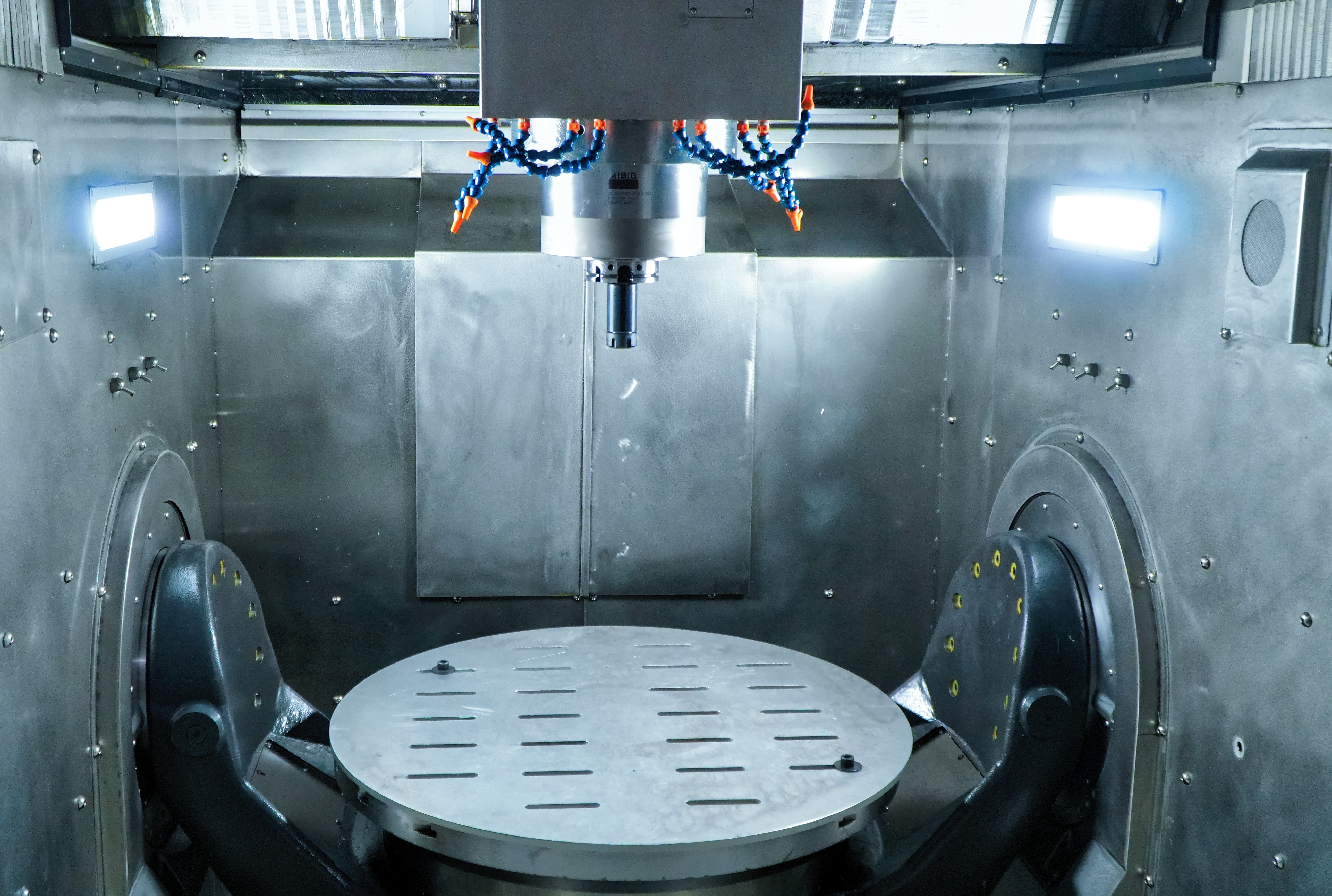
Rigid structural casting
-
Symmetrical load distribution
-
High-quality guideways and bearings
-
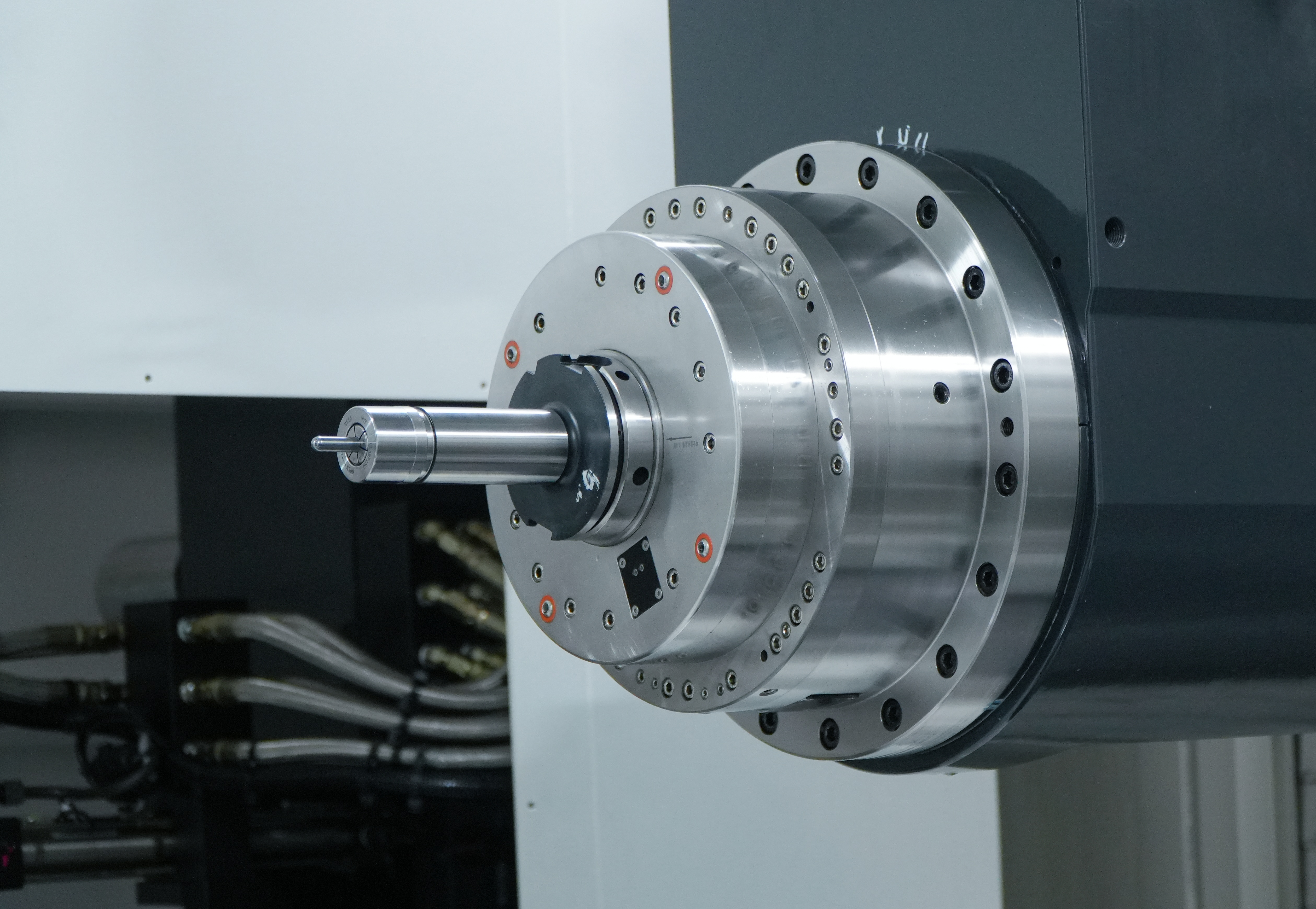
Stable spindle architecture
These design principles ensure machine structural stability and allow manufacturers to confidently support extended warranty periods.
Mechanical Components Must Match the Promise
A warranty cannot exceed the capability of the components used in the machine. For this reason, machines backed by a long-term warranty in CNC machines typically incorporate high-end mechanical components.
Examples include:
-
Precision linear guides
-
High-grade ball screws
-
Advanced spindle bearings
-
High-resolution linear scales
These components help maintain long-term machining accuracy by minimizing wear, backlash, and positioning deviation during continuous operation.
Reliable parts make reliable machines.
Thermal Stability and Long-Term Accuracy
Thermal variation is one of the largest contributors to long-term machining error. As machine components heat up during operation, expansion can affect positioning precision.
Manufacturers offering a long-term warranty in CNC machines often integrate thermal stability strategies such as:
-
Symmetrical machine structure
-
Thermal compensation systems
-
Temperature-stable spindle design
-
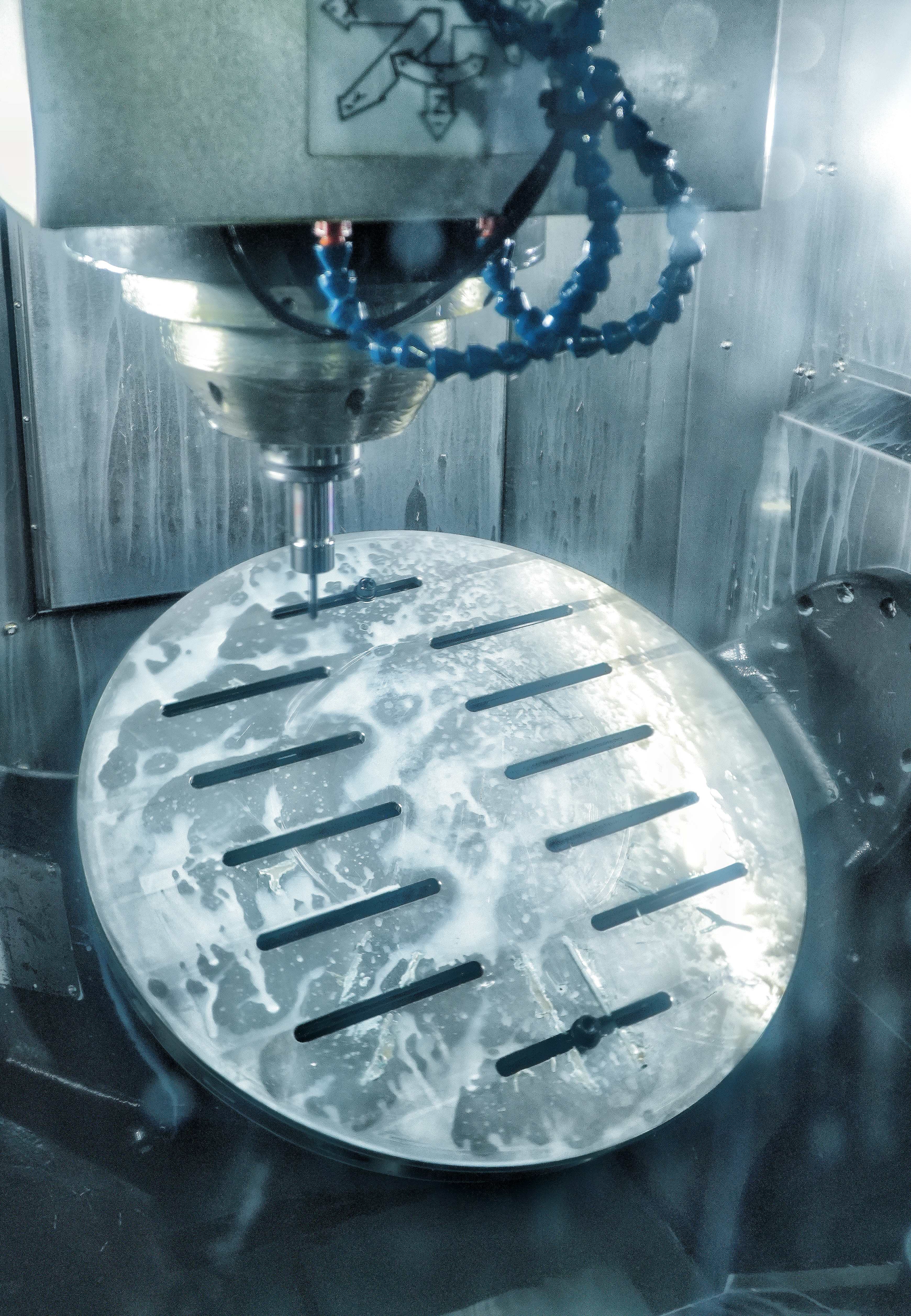
Controlled coolant circulation
These technologies reduce thermal drift and protect machining accuracy across extended production cycles.
Long-term performance depends on both mechanical and thermal stability.
Manufacturing Quality and Assembly Precision
Even the best design cannot perform properly without precise assembly and quality control. Machines supported by extended warranties are typically manufactured under strict inspection procedures.
Critical processes include:
-
Geometric calibration
-
Laser interferometer measurement
-
Ballbar testing
-
Spindle dynamic balancing
These quality control steps ensure that the machine meets tight accuracy standards before delivery.
A long-term warranty in CNC machines therefore reflects confidence not only in design, but also in manufacturing execution.
Lower Risk for Manufacturers and Customers
When machine builders provide extended warranties, they assume additional service responsibility. This creates a strong incentive to engineer machines that minimize failure risk.
For manufacturers, reliable machines reduce warranty claims.
For customers, the long-term warranty in CNC machines reduces operational uncertainty and ownership risk.
The relationship between engineering and warranty becomes mutually reinforcing: better machines enable longer warranties, and longer warranties signal stronger engineering.
A Signal of Long-Term Machine Value
In competitive manufacturing environments, equipment must perform consistently over many years. Downtime, recalibration, or structural instability can disrupt production and increase operating costs.
Machines supported by a long-term warranty in CNC machines often demonstrate:
-
higher CNC machine reliability
-
stronger machine structural stability
-
improved long-term machining accuracy
These characteristics make them particularly valuable for industries that demand consistent precision, such as aerospace, medical device manufacturing, and high-precision tooling.
Warranty length becomes an indicator of expected service life.
Conclusion
A warranty is not simply a service policy—it is a reflection of engineering confidence.
A long-term warranty in CNC machines signals that the manufacturer trusts the machine’s structural design, component quality, and manufacturing precision. Machines built with rigid structures, stable thermal behavior, and high-quality components are capable of maintaining accuracy over many years of operation.
In precision machining, structural reliability ultimately defines long-term productivity.
FAQ
1. Why do some CNC machines offer longer warranties than others?
Longer warranties usually indicate stronger structural design, higher-quality components, and greater confidence in machine durability.
2. Does a longer warranty guarantee better machining accuracy?
While it does not guarantee accuracy alone, it often reflects machines designed for long-term stability and consistent precision.
3. What machine components most influence long-term reliability?
Key components include the machine frame, guideways, ball screws, spindle system, and positioning feedback devices.
4. Should warranty length influence machine purchasing decisions?
Yes. Warranty length can be a useful indicator of manufacturer confidence in machine reliability and structural stability.