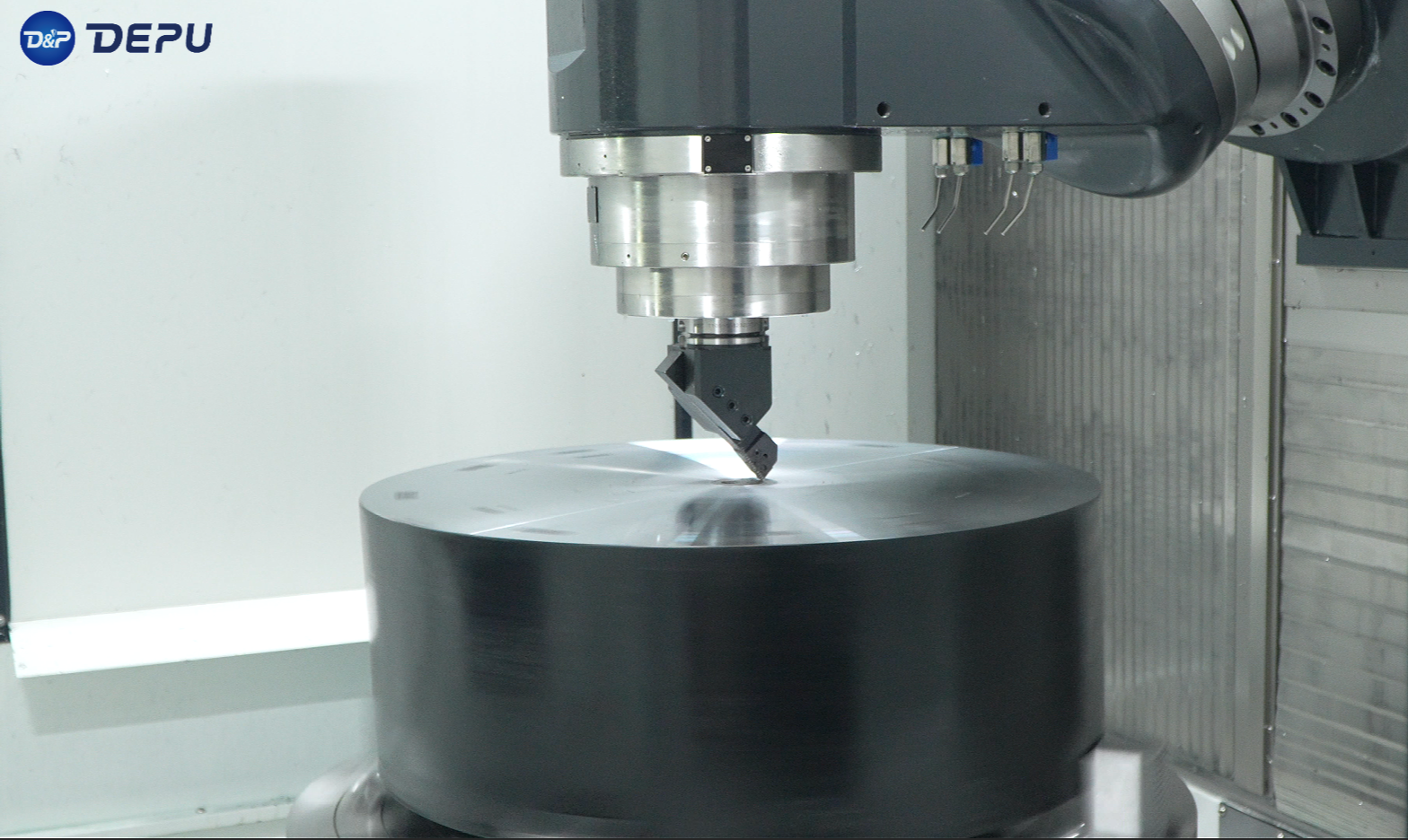

The Role of Guideway Design in High-Speed and High-Precision CNC Machining
Introduction: Guideways Define Motion Quality
In high speed CNC machining and high precision machining, motion control is only as good as the mechanical system that supports it. One of the most critical components in this system is guideway design CNC.
Guideways directly determine how smoothly and accurately machine axes move. Poor guideway design leads to friction variation, vibration, and positioning errors, limiting micron level machining capability. Advanced guideway design CNC ensures stable motion, high rigidity, and consistent performance under demanding conditions.
1. Guideway Design CNC and CNC Machine Rigidity
Guideway design CNC plays a key role in overall CNC machine rigidity. It supports and constrains axis movement while resisting cutting forces.
High-performance guideways provide:
- High load-bearing capacity
- Minimal deformation under stress
- Stable support for moving components
Whether using linear guideways CNC or box guideways, proper design ensures that the machine maintains rigidity, which is essential for consistent precision CNC machining.
2. Dynamic Stability CNC: Smooth Motion at High Speed
At high speeds, even small imperfections in motion can lead to vibration and instability. Dynamic stability CNC depends heavily on guideway performance.
Optimized guideway design CNC improves dynamic stability CNC by:
- Reducing friction fluctuations
- Minimizing stick-slip effects
- Enhancing damping characteristics
This enables smoother acceleration and deceleration, which is critical for maintaining micron level machining during high-speed operations.
3. Linear Guideways CNC vs. Box Guideways
Different types of guideways offer distinct advantages in high precision machining.
Linear guideways CNC:
- Low friction and high speed capability
- Ideal for high speed CNC machining
- Better suited for rapid positioning and light-to-medium loads
Box guideways:
- Higher damping and load capacity
- Better for heavy cutting applications
- Enhanced vibration absorption
Advanced machine tool structure design often combines these characteristics to achieve both speed and stability, ensuring reliable precision CNC machining.
4. Guideway Design CNC and Micron Level Machining
Achieving micron level machining requires extremely consistent motion. Any variation in guideway performance directly affects positioning accuracy.
High-quality guideway design CNC ensures:
- Precise linear motion
- Repeatable positioning accuracy
- Reduced geometric errors
This is especially important in applications requiring tight tolerances and complex geometries.
5. Impact on 5 Axis Machining Accuracy
In 5 axis machining, multiple axes move simultaneously, making motion precision even more critical.
Optimized guideway design CNC supports:
- Accurate multi-axis interpolation
- Reduced cumulative positioning errors
- Improved 5 axis machining accuracy
Stable guideway performance ensures that complex toolpaths are executed precisely, which is essential for advanced high precision machining.
6. Long-Term Performance and Wear Resistance
Guideways are subject to continuous motion and load, making durability essential for long-term performance.
Advanced guideway design CNC provides:
- Reduced wear and friction
- Consistent performance over time
- Lower maintenance requirements
This ensures stable precision CNC machining and sustained micron level machining capability over the machine’s lifecycle.
Conclusion: Guideways Enable Precision Motion
In both high speed CNC machining and high precision machining, guideways are a critical factor that directly influences performance.
Optimized guideway design CNC enhances:
- CNC machine rigidity
- Dynamic stability CNC
- Micron level machining accuracy
- 5 axis machining accuracy
Ultimately, guideways are not just motion components—they are essential to achieving reliable, high-performance precision CNC machining.
FAQ
1. What is guideway design in CNC machines?
Guideway design refers to how machine axes are supported and guided, affecting motion accuracy, rigidity, and stability.
2. Why is guideway design important for high speed CNC machining?
It ensures smooth, low-friction motion and reduces vibration, which is critical for maintaining accuracy at high speeds.
3. What is the difference between linear guideways and box guideways?
Linear guideways offer higher speed and lower friction, while box guideways provide better damping and load capacity.
4. How does guideway design affect micron level machining?
It ensures consistent and precise axis movement, which is essential for achieving micron-level accuracy.
5. Does guideway design impact 5 axis machining accuracy?
Yes. Stable and precise guideways are critical for accurate multi-axis coordination and minimizing positioning errors.