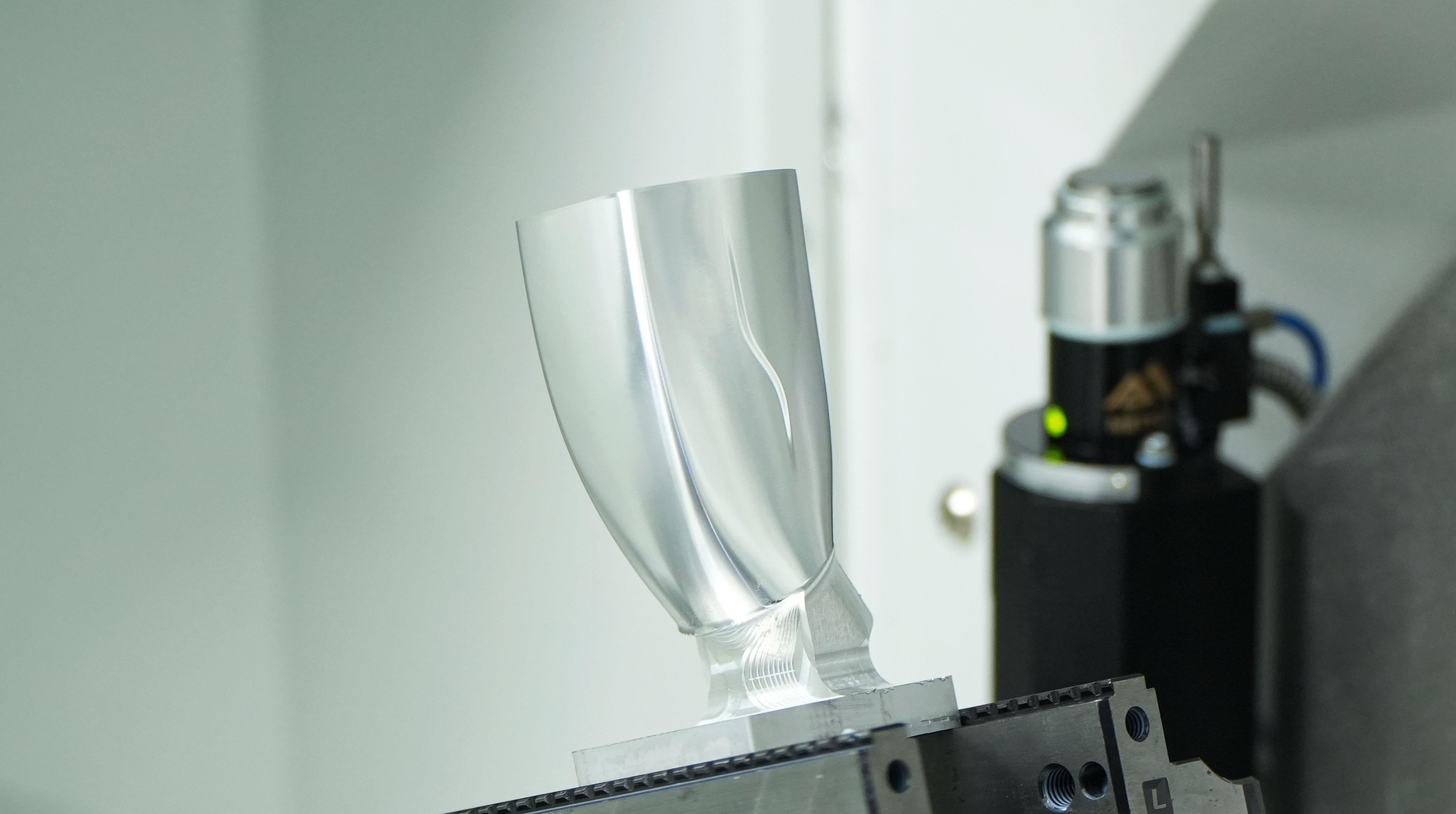

How Cutting Forces Reveal the True Strength of a CNC Machine
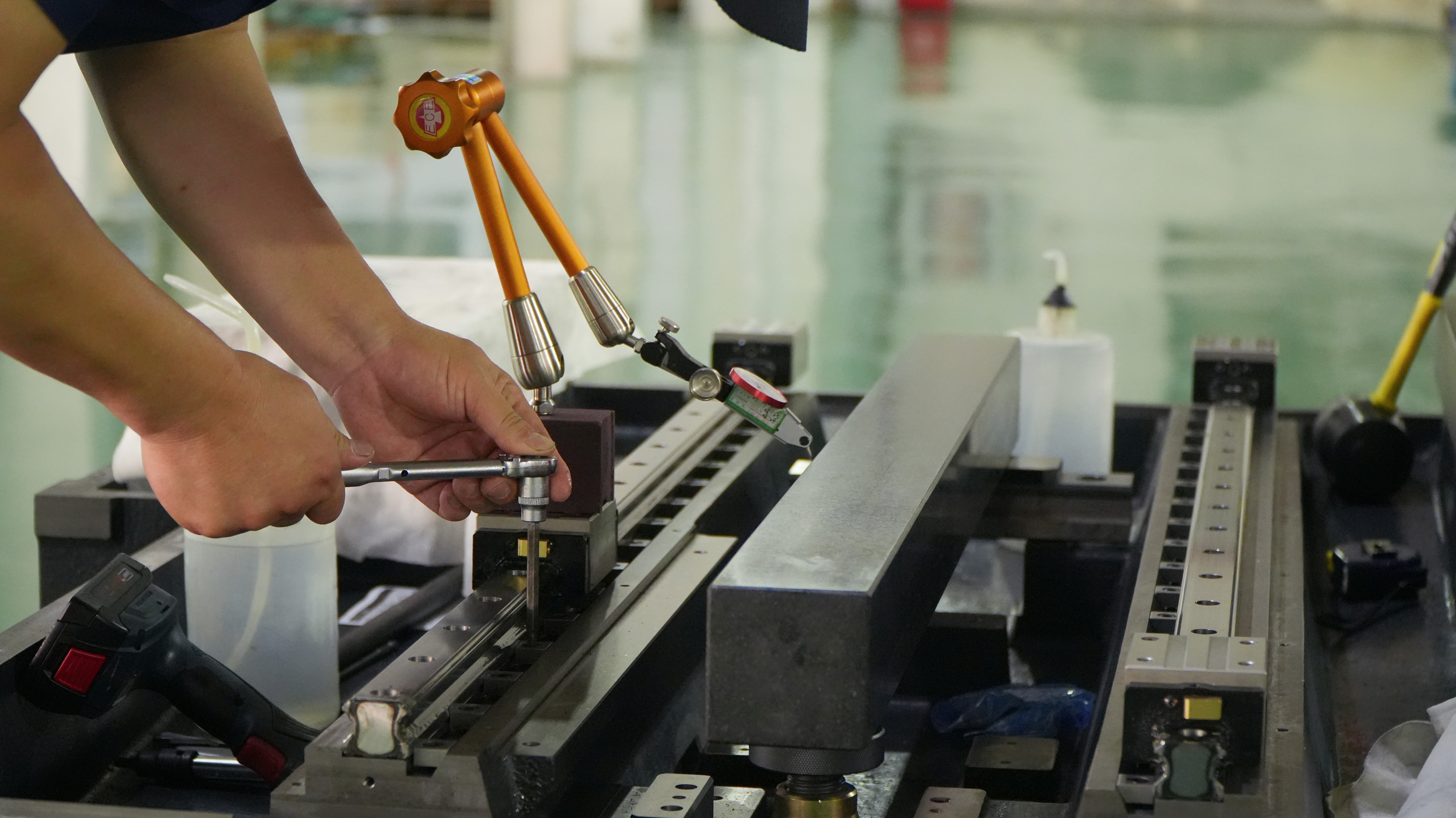
Introduction: Real Strength Shows Under Load
In precision machining, machine specifications often highlight speed, travel range, or positioning accuracy. However, the true capability of a CNC machine is revealed only under real cutting conditions.
In 5-axis CNC machining, cutting forces continuously act on the machine structure. These forces expose whether a machine can maintain stability, accuracy, and consistent micron level machining. Without sufficient strength, even the most advanced systems cannot deliver reliable precision CNC machining results.
1. What Are Cutting Forces in CNC Machining?
Cutting forces CNC are the mechanical loads generated when a tool removes material.
These forces depend on:
- Material properties
- Tool geometry
- Cutting parameters
In 5 axis CNC, cutting forces vary constantly due to changing tool orientation, making stability even more critical for consistent precision machining.
2. CNC Machine Rigidity: The First Line of Defense
CNC machine rigidity determines how well a machine resists deformation under cutting forces.
High rigidity:
- Maintains tool position
- Reduces structural deflection
- Supports stable micron level machining
Low rigidity leads to:
- Dimensional errors
- Surface inconsistency
- Reduced precision CNC machining quality
3. Dynamic Stability CNC Under Variable Loads
Cutting forces are not constant—they fluctuate during machining.
Dynamic stability CNC determines how the machine responds to these changes.
A stable system:
- Absorbs force variation
- Minimizes vibration
- Maintains smooth motion
Poor dynamic stability CNC results in chatter, which directly affects precision machining and surface quality.
4. Cutting Stability CNC and Process Performance
Cutting stability CNC is directly influenced by how well the machine handles cutting forces.
Stable cutting:
- Ensures consistent chip formation
- Reduces tool wear
- Improves surface finish
Unstable cutting leads to:
- Vibration marks
- Inconsistent dimensions
- Reduced micron level machining capability
5. Structural Design and Force Distribution
The way a machine is designed determines how cutting forces are distributed.
A strong structure:
- Spreads forces evenly
- Reduces localized stress
- Maintains geometric stability
Weak machine design CNC concentrates forces in specific areas, increasing deformation and reducing precision CNC machining accuracy.
6. Tool Overhang and Force Amplification
Tool setup plays a significant role in how cutting forces affect machining.
Long tool overhang:
- Amplifies force impact
- Increases vibration
- Reduces stability
Optimizing tool setup improves cutting stability CNC and supports consistent precision machining.
7. Why 5-Axis CNC Handles Forces Better
5-axis CNC machining offers advantages in managing cutting forces:
- Optimized tool orientation reduces load
- Better access minimizes overhang
- Continuous motion improves stability
These factors enable more stable micron level machining and higher precision CNC machining performance.
Conclusion: Strength Is Proven Under Cutting Forces
A CNC machine’s true strength is not defined by specifications, but by its performance under cutting forces.
In 5-axis CNC machining, strong performance requires:
- High CNC machine rigidity
- Stable dynamic stability CNC
- Effective cutting stability CNC
- Robust structural design
Only when a machine can handle real cutting forces can it deliver reliable precision machining and consistent micron level machining results.
FAQ
1. What are cutting forces in CNC machining?
They are the mechanical loads generated during material removal.
2. Why are cutting forces important?
They reveal how well a machine can maintain stability and accuracy under real conditions.
3. How does CNC machine rigidity affect cutting performance?
Higher rigidity reduces deformation and improves machining accuracy.
4. What is dynamic stability CNC?
It is the machine’s ability to remain stable under changing forces and motion.
5. How can cutting stability be improved?
By optimizing machine structure, tool setup, and cutting parameters.