
How 5-Axis Machining Reduces Rework in Complex Part Production
Introduction: The Hidden Cost of Rework
In complex part machining, rework is one of the most significant hidden costs in manufacturing. It increases production time, wastes material, and reduces overall efficiency. Traditional machining methods often require multiple setups, increasing the risk of positioning errors and inconsistencies.
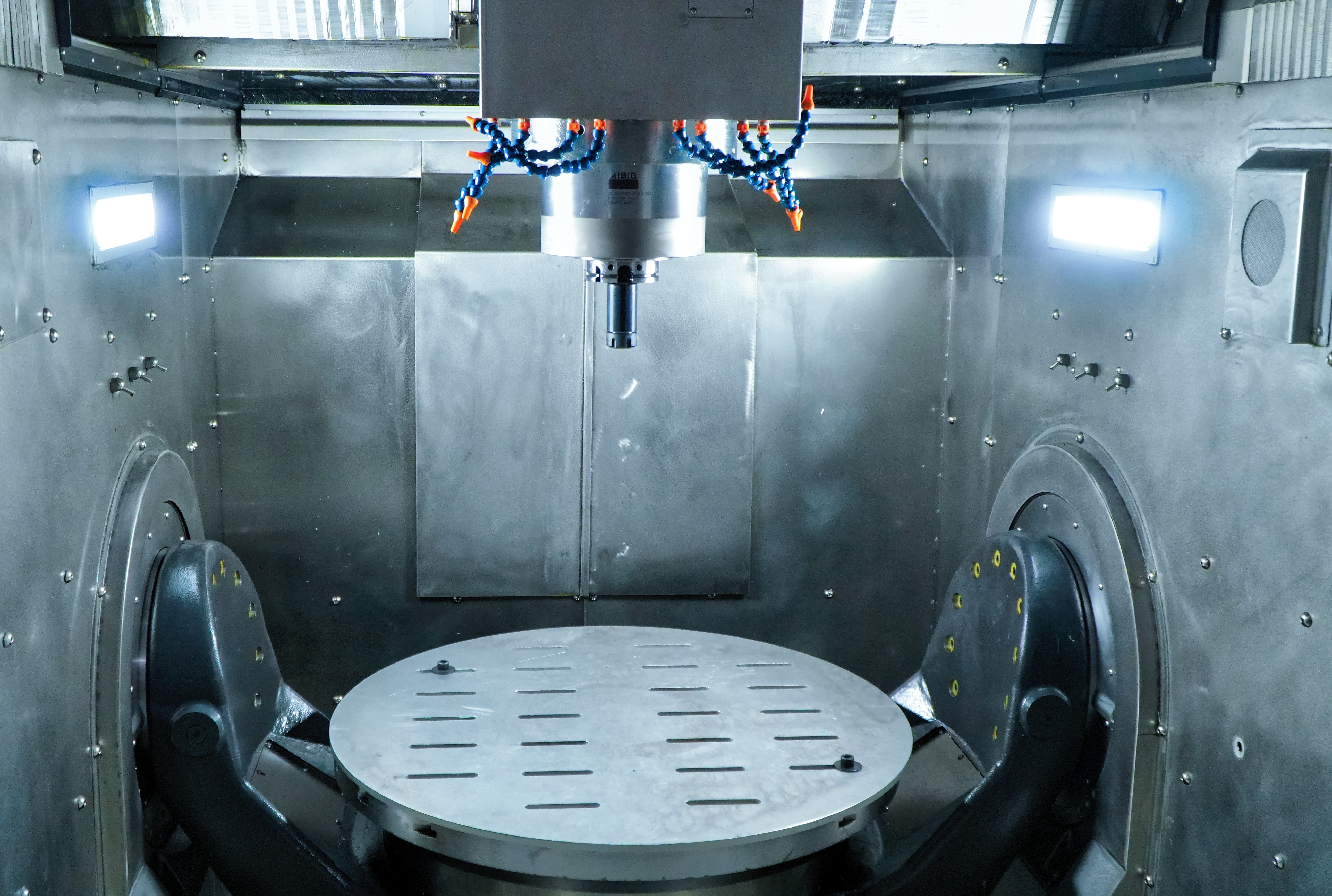
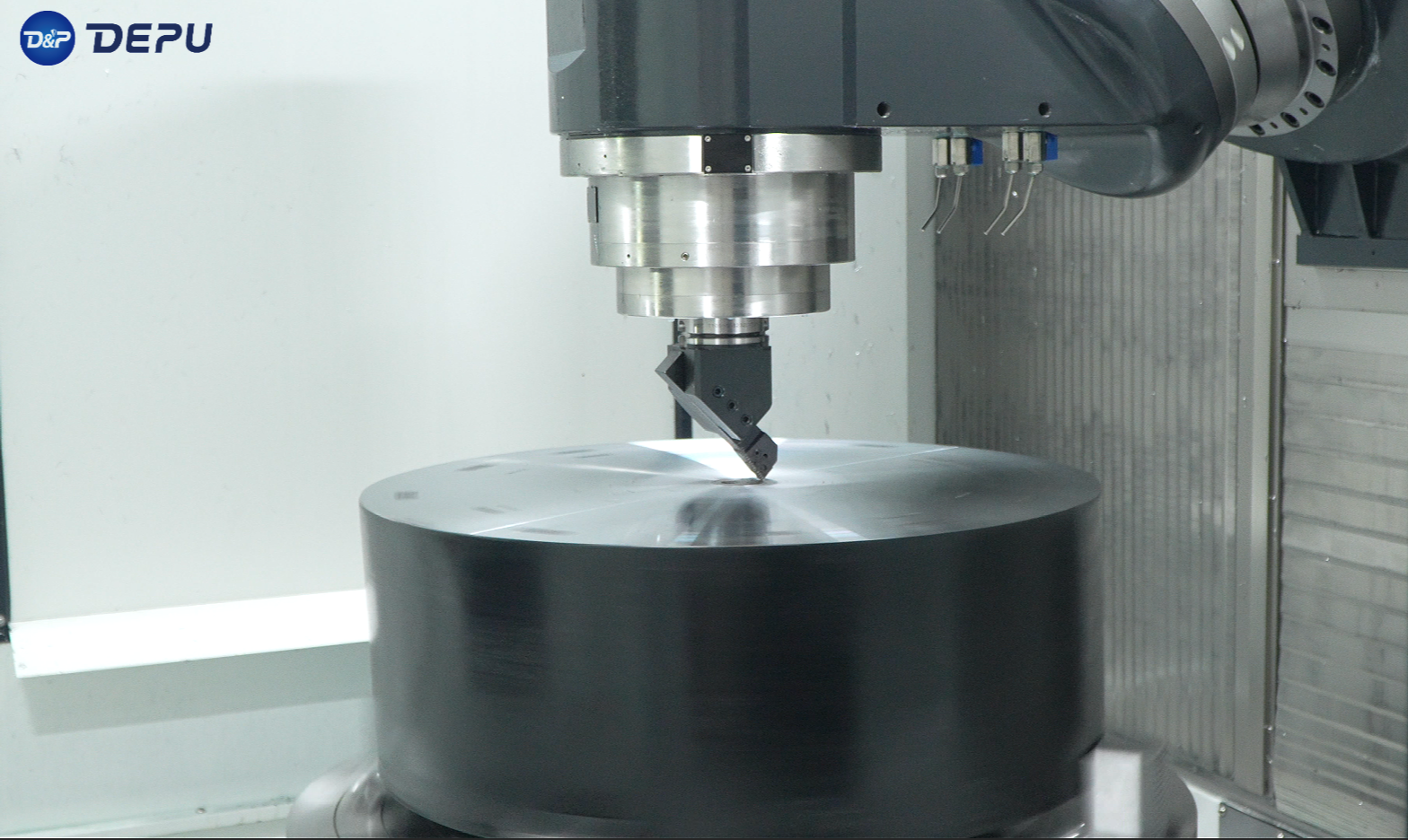
This is where 5 axis machining provides a clear advantage. By enabling full multi-surface machining in a single setup, 5 axis machining significantly reduces the need for rework while improving precision CNC machining outcomes.
1. Fewer Setups, Fewer Errors
One of the primary reasons for rework is accumulated error from multiple setups.
With 5 axis machining:
- Parts can be completed in a single setup
- Manual repositioning is minimized
- Alignment errors are reduced
This directly improves 5 axis machining accuracy and helps maintain consistent micron level machining, reducing the likelihood of defects that require rework.
2. Improved 5 Axis Machining Accuracy
Higher 5 axis machining accuracy means fewer dimensional deviations and less need for correction.
Advanced multi-axis systems:
- Maintain precise tool positioning
- Enable accurate complex geometry machining
- Reduce cumulative tolerance errors
This level of precision ensures that parts meet specifications on the first pass, minimizing rework in complex part machining.
3. Consistent Micron Level Machining
Rework often occurs when machining results are inconsistent across different areas of a part.
With 5 axis machining, stable micron level machining is achieved through:
- Continuous toolpath control
- Reduced repositioning
- Improved machine dynamics
Consistent micron level machining ensures uniform quality across complex surfaces, reducing the need for secondary corrections.
4. Enhanced Precision CNC Machining Efficiency
Precision CNC machining efficiency is directly linked to how well the process avoids errors.
5-axis systems improve efficiency by:
- Eliminating redundant operations
- Reducing manual intervention
- Streamlining production workflows
This leads to fewer interruptions and less rework, improving overall productivity in high precision machining environments.
5. Better Tool Access in Complex Part Machining
In complex part machining, certain features are difficult to reach using traditional methods, often requiring additional setups or manual finishing.
5 axis machining provides:
- Improved tool accessibility
- Optimal cutting angles
- Reduced need for special fixtures
Better access reduces machining limitations, ensuring that features are produced correctly the first time, minimizing rework.
6. Reduced Human Error and Process Variation
Manual operations and repeated setups introduce variability into the machining process.
With 5 axis machining:
- Automation reduces human error
- Process consistency is improved
- Repeatability increases
This consistency is critical for maintaining precision CNC machining standards and avoiding costly rework.
7. Integration with Advanced Machine Tool Structure Design
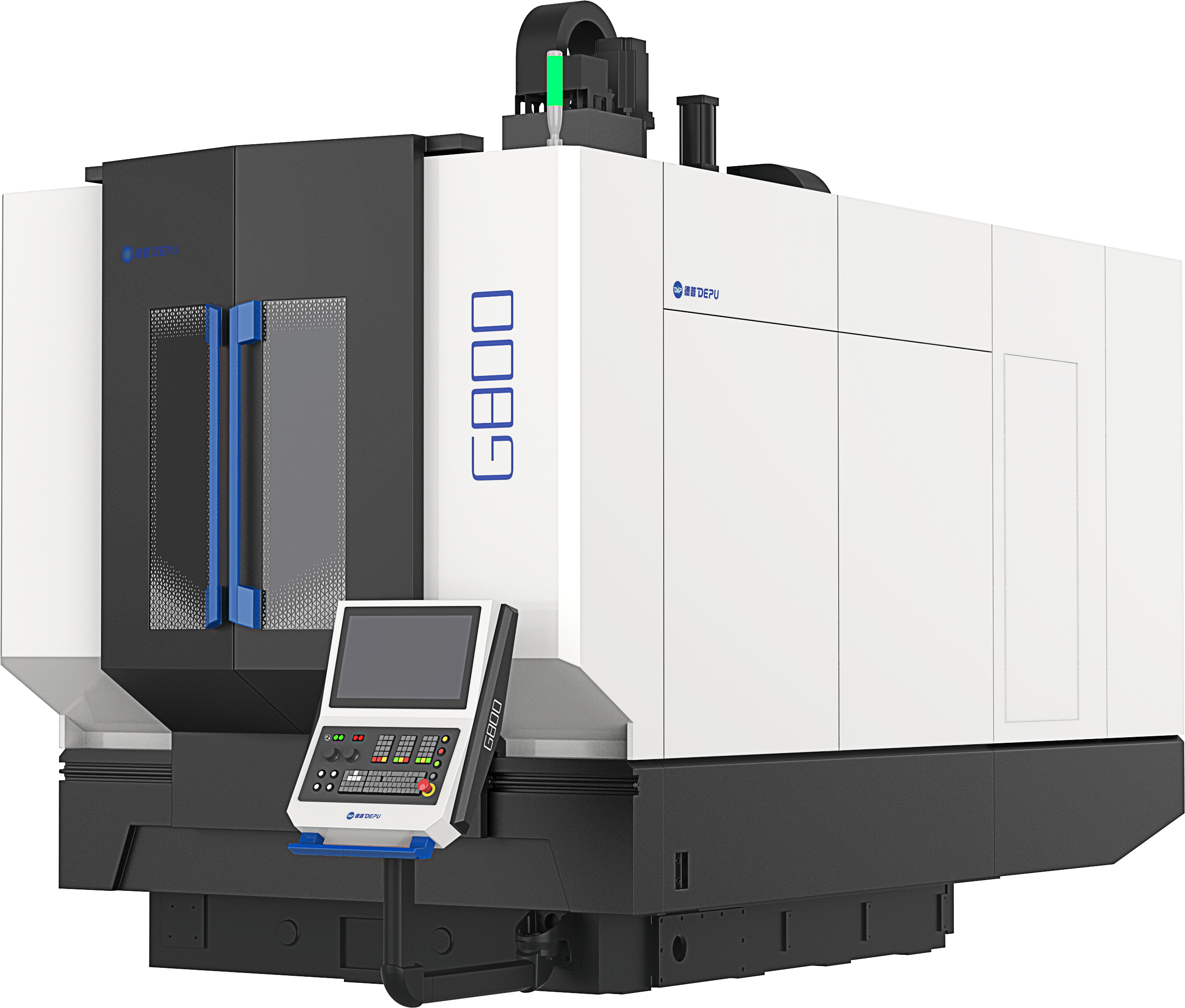
Modern machine tool structure design enhances the benefits of 5 axis machining by improving stability and accuracy.
Key advantages include:
- High structural rigidity
- Stable multi-axis coordination
- Reduced vibration and deformation
These factors support consistent 5 axis machining accuracy and reliable micron level machining, further reducing rework rates.
Conclusion: First-Time Right Manufacturing
In today’s competitive manufacturing environment, reducing rework is essential for efficiency and profitability. 5 axis machining enables a “first-time right” approach by improving:
- 5 axis machining accuracy
- Micron level machining consistency
- Precision CNC machining efficiency
By minimizing setups, improving tool access, and ensuring stable machining conditions, 5 axis machining significantly reduces rework in complex part machining, making it a critical solution for modern high-precision production.
FAQ
1. Why does 5 axis machining reduce rework?
Because it minimizes setups and improves accuracy, reducing the chances of errors that require correction.
2. How do multiple setups increase rework?
Each setup introduces alignment and positioning errors, which can accumulate and lead to defects.
3. Is 5 axis machining more accurate than traditional machining?
Yes. It offers better tool positioning and multi-surface machining capability, improving overall accuracy.
4. How does micron level machining help reduce rework?
Higher precision ensures parts meet specifications on the first attempt, reducing the need for corrections.
5. What industries benefit most from reduced rework?
Aerospace, medical, automotive, and mold manufacturing benefit significantly due to their strict precision requirements.