
Where 5-Axis Machining Actually Saves Time in Complex Part Production
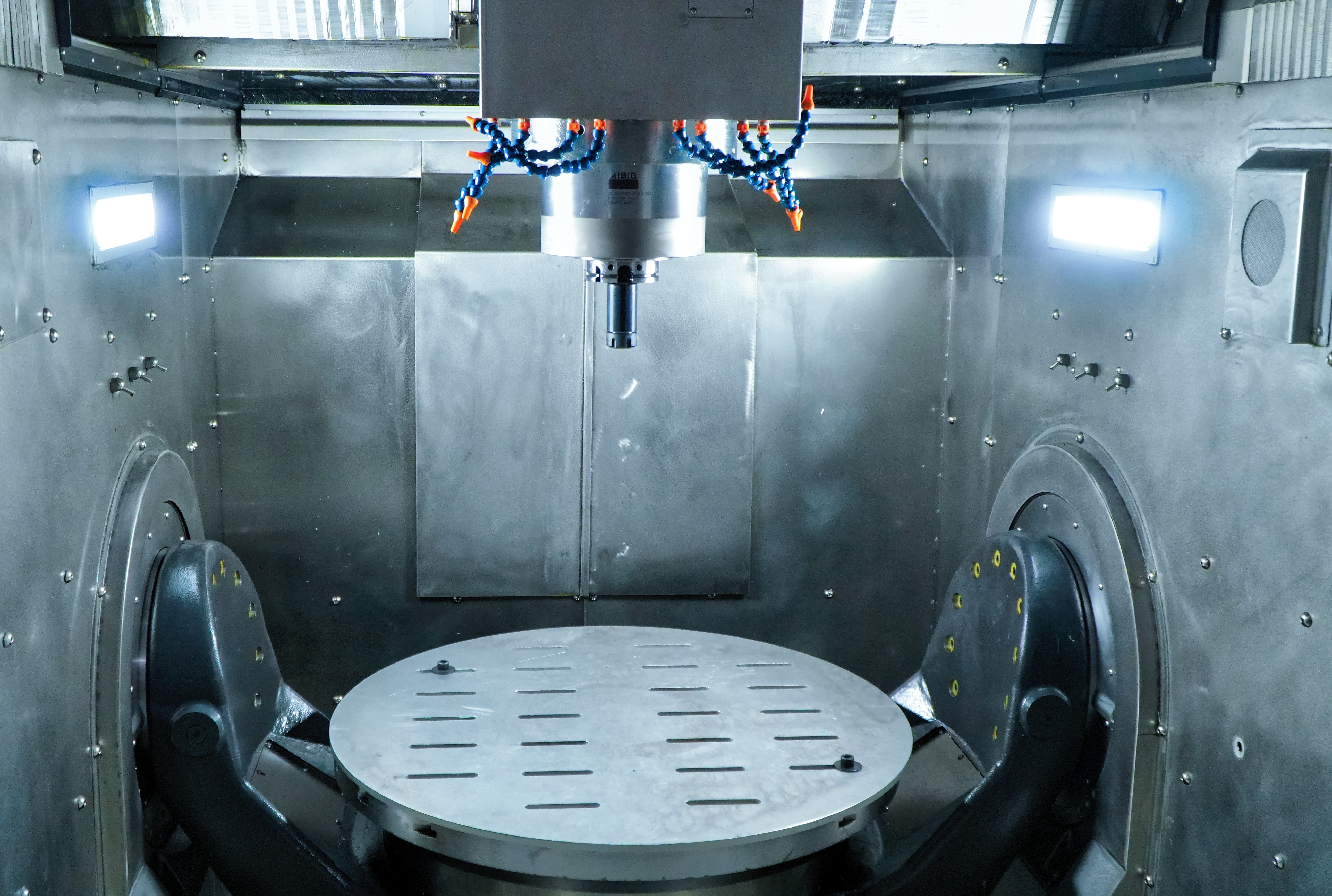
Introduction: Time Savings Beyond Cutting Speed
When evaluating 5-axis CNC machining, many assume the primary benefit is faster cutting. In reality, the biggest time savings in precision machining come from process efficiency, not spindle speed.
In complex part machining, time is lost in setups, repositioning, rework, and manual intervention. 5 axis CNC addresses these inefficiencies, enabling faster overall production while maintaining micron level machining and high precision CNC machining quality.
1. Eliminating Multiple Setups
One of the most significant time savings in 5 axis CNC comes from reducing setups.
Traditional machining:
- Requires multiple fixtures and repositioning
- Involves repeated alignment and probing
- Introduces downtime between operations
With 5-axis cnc machining:
- Parts are completed in a single setup
- Alignment is done once
- Setup-related delays are eliminated
This dramatically improves precision machining efficiency and reduces total production time.
2. Reducing Manual Intervention
Manual operations are a major source of inefficiency in complex part machining.
Without 5 axis CNC:
- Operators must reposition parts
- Manual finishing may be required
- Process consistency varies
With 5-axis cnc machining:
- Automation handles multi-angle machining
- Human intervention is minimized
- Processes become repeatable
This improves both speed and consistency in precision CNC machining.
3. Faster Machining Through Optimal Tool Orientation
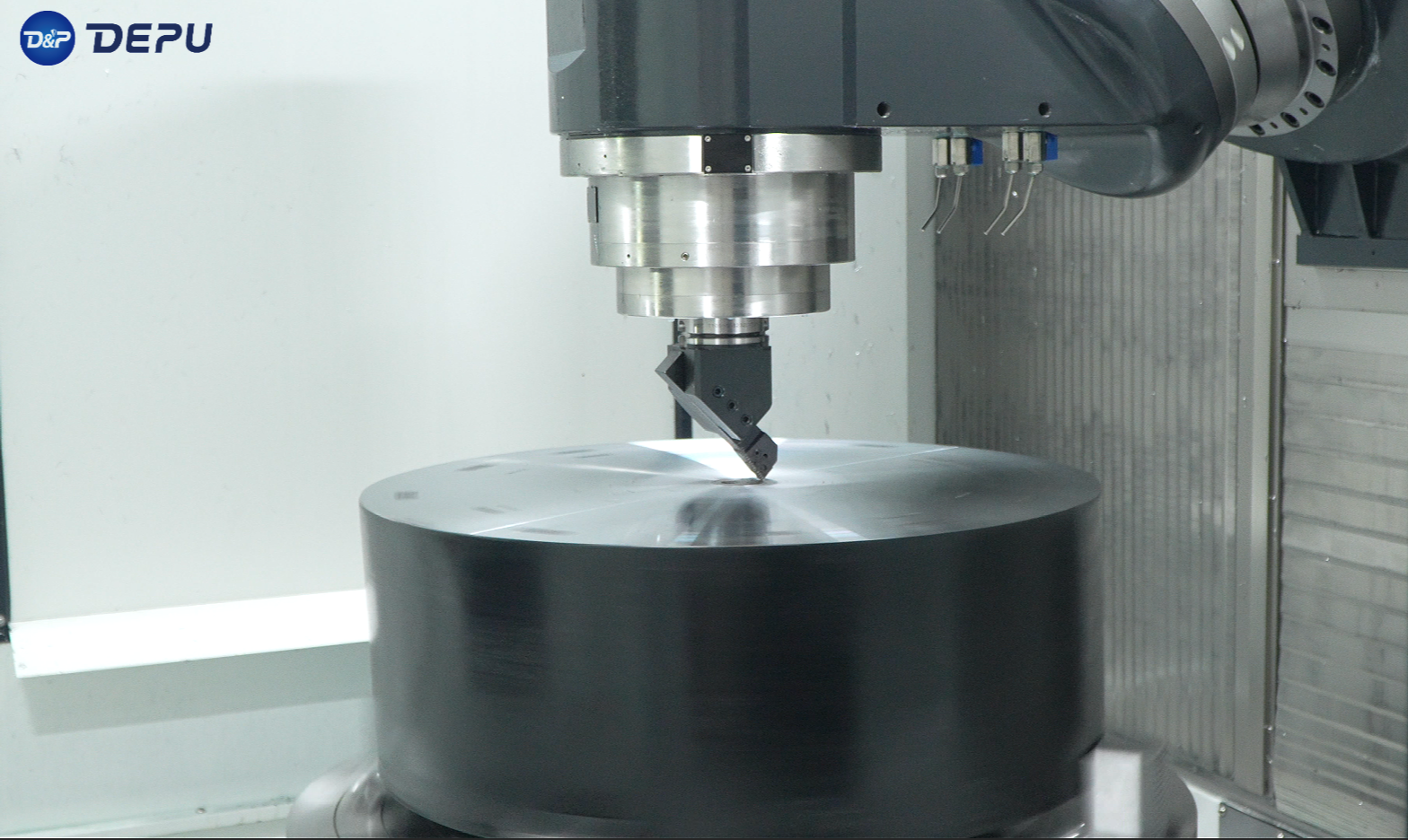
5 axis CNC allows the tool to approach the workpiece at optimal angles.
This leads to:
- Better cutting conditions
- Higher material removal efficiency
- Reduced tool wear
While not always increasing spindle speed, this improves overall precision machining efficiency and reduces machining time per part.
4. Minimizing Rework and Inspection Delays
Rework is one of the biggest hidden time losses in manufacturing.
With improved 5 axis machining accuracy:
- Parts meet tolerance on the first pass
- Inspection failures are reduced
- Rework cycles are minimized
Consistent micron level machining ensures that precision CNC machining processes are more predictable, saving significant time across production batches.
5. Streamlining Complex Part Machining
In complex part machining, traditional methods often require breaking the process into multiple steps.
5-axis cnc machining enables:
- Complete multi-surface machining in one process
- Reduced process fragmentation
- Shorter overall production cycles
This integration significantly improves 5 axis machining efficiency and reduces lead time.
6. Improving Surface Quality and Reducing Finishing Time
Surface finishing can add significant time to production.
With 5 axis CNC:
- Smoother toolpaths improve surface quality
- Better cutting angles reduce defects
- Less manual polishing is required
Stable micron level machining ensures that finishing operations are minimized, improving overall precision machining efficiency.
7. Better Tool Life and Fewer Interruptions
Frequent tool changes and failures interrupt production flow.
5 axis CNC improves tool performance by:
- Optimizing cutting angles
- Reducing tool load
- Improving heat distribution
This results in fewer stoppages and more continuous precision CNC machining, saving time in high-volume production.
Conclusion: Time Savings Across the Entire Process
The real advantage of 5-axis CNC machining is not just faster cutting—it is smarter production.
Time is saved through:
- Fewer setups
- Reduced manual work
- Lower rework rates
- Integrated machining processes
By improving precision machining efficiency and enabling stable micron level machining, 5 axis CNC delivers faster, more reliable results in complex part machining.
FAQ
1. Does 5-axis CNC machining always cut faster?
Not necessarily. The main time savings come from process efficiency, not just cutting speed.
2. How does 5 axis CNC reduce setup time?
By allowing complete machining in a single setup, eliminating repeated alignment and repositioning.
3. Why does 5-axis machining reduce rework?
Because it improves accuracy and consistency, ensuring parts meet specifications on the first attempt.
4. Can 5-axis CNC reduce finishing time?
Yes. Better surface quality reduces the need for additional polishing or manual finishing.
5. Where are the biggest time savings in complex part machining?
In setup reduction, process integration, and improved machining consistency.