
Choosing the right Vertical Milling Machine for a small shop is one of the most consequential equipment decisions a machinist or shop owner will make.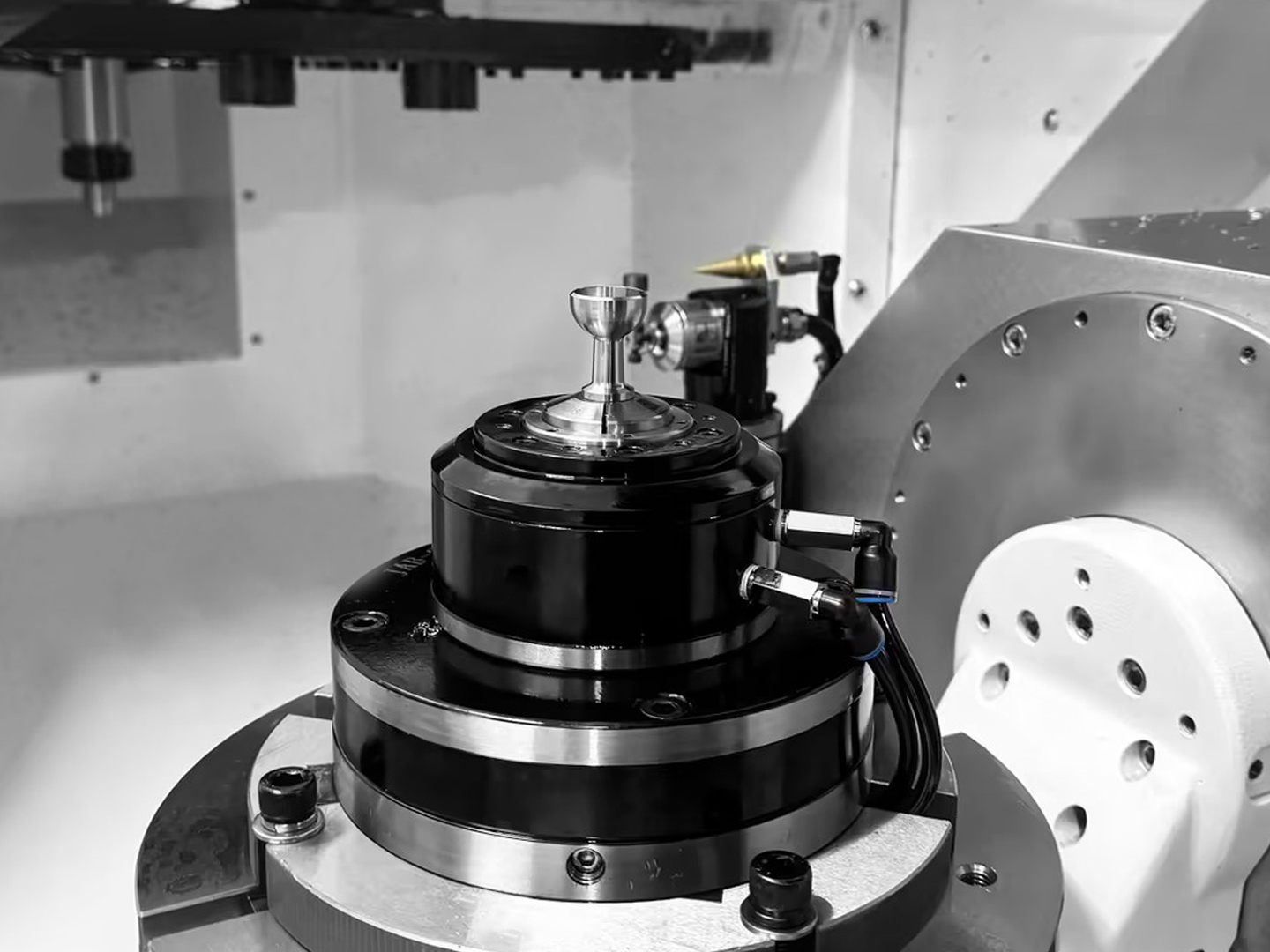
Unlike large industrial facilities that can accommodate floor-standing behemoths with unlimited power supplies, small shops operate under real constraints — limited floor space, tighter budgets, and the need for machinery that performs across a wide variety of tasks without requiring a dedicated operator for each job. The vertical milling machine sits at the center of that challenge, offering the versatility, precision, and accessibility that small-shop environments demand.
This article is written specifically for small shop operators — job shops, prototyping studios, toolrooms, and independent machinists — who need clear, practical guidance on what makes a vertical milling machine the right fit for compact, high-mix, low-volume work. We will examine the defining characteristics of a quality vertical milling machine in this context, the structural and performance factors that matter most, and how to evaluate a machine against the actual workload of a small shop. Every section below is designed to help you make a confident, well-reasoned selection.
Why a Vertical Milling Machine Is the Right Starting Point for Small Shops
The Operational Logic Behind Vertical Orientation
A vertical milling machine positions its spindle axis perpendicular to the worktable, pointing downward toward the workpiece. This orientation is intuitive for the operator, making it easier to set up workpieces, visualize cutting paths, and monitor the machining process in real time. For small shops where one operator often handles setup, programming, and inspection, that visibility is not a minor convenience — it is a daily productivity advantage.
The vertical configuration also supports a wide range of cutting operations — face milling, end milling, drilling, boring, slotting, and contouring — without requiring the machine to be repositioned or reconfigured. In a small shop where floor space is limited and changeover time directly affects output, this multi-purpose capability makes the vertical milling machine a foundational asset rather than a single-purpose investment.
Furthermore, the vertical milling machine tends to be more compact than comparable horizontal machines, which is a direct advantage in shops where every square foot counts. A well-designed vertical milling machine can deliver serious cutting performance within a footprint that fits comfortably alongside other equipment.
Fit for High-Mix, Low-Volume Work
Small shops rarely run the same part for weeks at a time. The work is diverse — custom components, repair parts, prototype runs, short production batches — and the equipment must adapt quickly. A vertical milling machine excels in this environment because setup changes are fast, workholding options are extensive, and the operator can move between job types without elaborate machine reconfiguration.
This agility is built into the design of a good vertical milling machine. The worktable travels in X and Y axes, the quill or knee provides Z-axis control, and the spindle speed is adjustable to accommodate different materials and tooling. For a small shop taking on aluminum aerospace parts one day and steel fixture components the next, that combination of flexibility and control is exactly what the work demands.
In contrast, highly specialized machines optimized for a narrow range of operations require shops to route work externally or invest in additional equipment. A capable vertical milling machine keeps more work in-house, which improves margins and turnaround time — two priorities that define competitiveness for small operations.
Key Structural Features That Define a Quality Vertical Milling Machine for Small Shops
Rigidity and Casting Quality
Rigidity is the single most important structural characteristic of any vertical milling machine, and it is especially critical in small shop environments where the machine must handle a range of materials and cutting conditions. A machine built from high-quality castings — typically Meehanite or nodular cast iron — absorbs vibration more effectively, maintains dimensional stability over time, and allows heavier cuts without chatter. Chatter not only degrades surface finish but shortens tool life, which is a direct cost burden for any shop.
When evaluating a vertical milling machine for rigidity, look beyond the overall weight and examine the design of the column, knee, and head. These three structural elements form the load path from the cutting tool to the floor. Any weakness or looseness in these joints translates directly into dimensional errors in the finished part. A well-engineered vertical milling machine will have tight dovetail or box-way guideways, properly preloaded leadscrews or ballscrews, and a head assembly that locks securely without residual movement.
For small shops that cannot afford dedicated finishing machines, the rigidity of the vertical milling machine determines whether it can serve as both a roughing and finishing platform. A rigid machine makes that dual role practical; a flex-prone machine forces compromises on cut depth or feed rate that reduce throughput.
Spindle Specifications and Taper Selection
The spindle is the heart of any vertical milling machine, and its specifications directly affect what work the machine can perform. Spindle taper selection — commonly R8, ISO 30, ISO 40, or BT30/BT40 — determines toolholder compatibility and the maximum torque the tool-spindle interface can handle. For small shops, R8 is historically common in manual machines for its simplicity and wide toolholder availability. CNC-ready vertical milling machines typically use ISO 30 or BT30 for better repeatability and automatic tool change compatibility.
Spindle speed range matters significantly in small shop environments. A vertical milling machine with a broad RPM range — from low-speed, high-torque settings for large diameter cutters in steel to high-speed settings for small end mills in aluminum — gives the operator genuine versatility. Gear-driven spindles tend to offer more torque at low speeds, while belt-driven and direct-drive configurations may provide smoother operation at higher speeds. Understanding the dominant material mix in your shop should guide this decision.
Spindle runout is another specification that deserves close attention. Low runout — measured in microns — directly impacts dimensional accuracy and surface finish. A vertical milling machine with high spindle runout will struggle to hold tight tolerances regardless of how skilled the operator is, making it unsuitable for precision work that small shops often rely on to differentiate themselves from lower-cost competition.
Table Size, Travel, and Workpiece Capacity Considerations
Matching Table Dimensions to Your Typical Workpiece
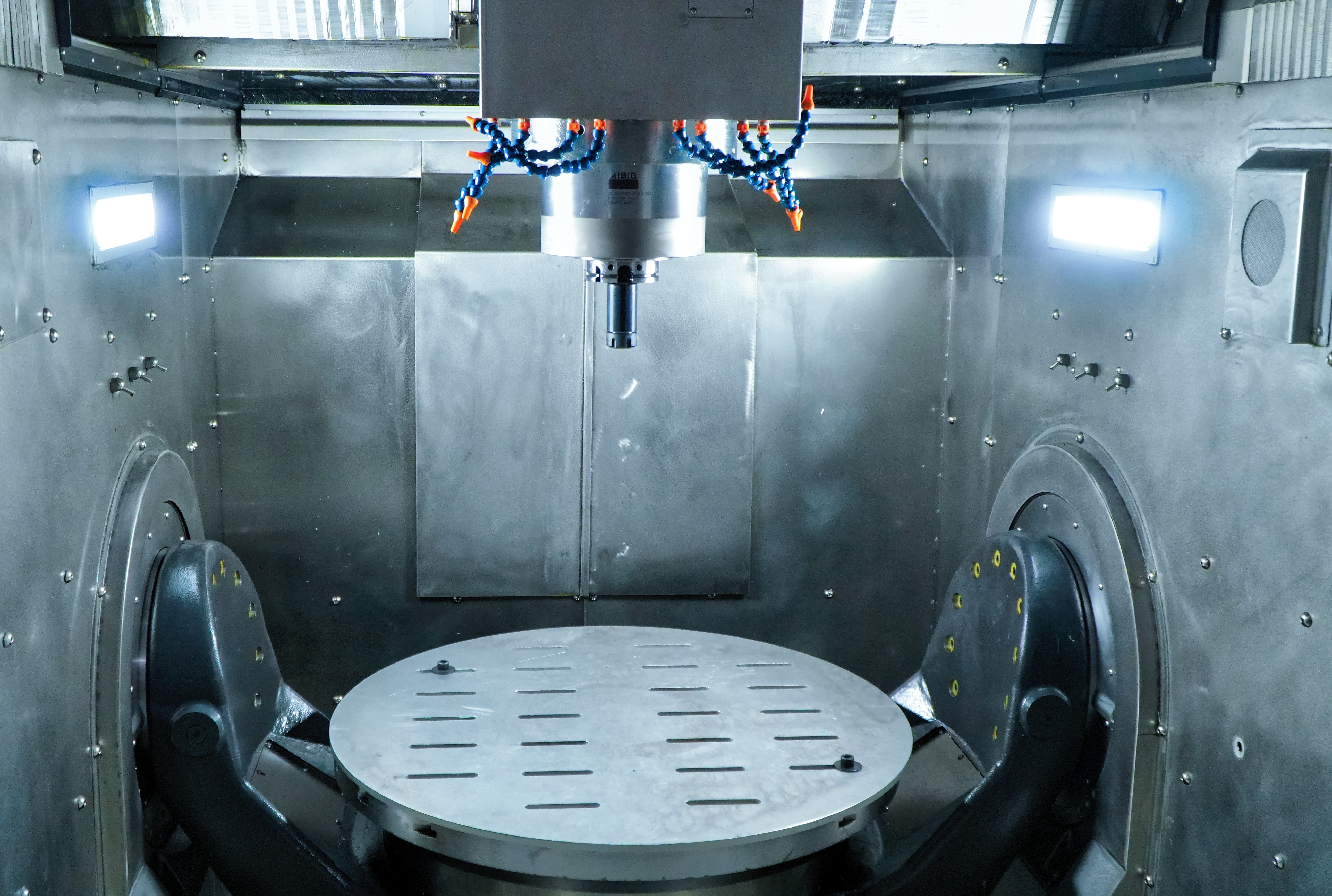
The worktable of a vertical milling machine defines the practical upper limit of workpiece size and weight the machine can accommodate. For small shops, the goal is to select a table large enough to handle the majority of anticipated work without purchasing more table area — and supporting machine mass — than necessary. Over-specifying table size means a heavier, more expensive machine that is harder to install and costs more to operate.
Standard small-shop vertical milling machines typically feature tables in the range of 9 x 32 inches to 10 x 54 inches, though this varies by machine class. Evaluate not just the table surface area but the available T-slot configuration, which determines workholding flexibility. More T-slots and consistent slot spacing make it easier to fixture a wider variety of workpiece geometries, which is valuable in a shop handling diverse jobs.
Table load capacity is equally important and often overlooked. A vertical milling machine rated for a specific maximum table load will begin to exhibit flex or guideway wear if that rating is consistently exceeded. Shops that regularly machine large steel blocks or cast iron components need to verify that the machine's structural ratings align with their actual workload rather than assuming adequacy based on table size alone.
Axis Travel and Z-Axis Flexibility
The axis travel on a vertical milling machine determines the maximum range of motion available in X, Y, and Z directions. For small shops, sufficient Z-axis travel is especially important because it governs the range of workpiece heights the machine can accommodate without requiring complicated setup modifications. Machines with limited Z travel force operators to build up or cut down fixtures, adding non-value-added time to every job that falls outside the nominal range.
The knee-type design common in manual and hybrid vertical milling machines provides Z-axis adjustment through knee elevation as well as quill travel. This dual Z-axis capability gives operators more practical flexibility for varying workpiece heights and is one reason why knee-type vertical milling machines remain popular in small shops even as CNC-only machines have become more accessible.
CNC vertical milling machines for small shops typically offer servo-driven Z-axis travel through the spindle head or the table itself, depending on the design. The key evaluation criterion is not just the total travel figure but the repeatability and positional accuracy of the Z axis under load, since Z-axis errors directly affect depth-of-cut consistency and feature height tolerances across a part.
CNC vs. Manual Vertical Milling Machine: Decision Criteria for Small Shops
When a Manual Vertical Milling Machine Still Makes Sense
CNC Vertical Milling Machine Advantages in a Small Shop Context
Practical Evaluation Criteria When Selecting a Vertical Milling Machine for Your Shop