
Why Long-Term Reliability Defines Machine Value
When investing in a 5-axis machining center, initial accuracy and performance are only part of the equation. The real value lies in how well the machine maintains that performance over time.
The long-term reliability of 5-axis machining centers determines whether manufacturers can sustain consistent production, control costs, and avoid unexpected downtime. In industries such as aerospace, energy, and precision engineering, even small deviations over time can lead to significant losses.
Structural Integrity as the Foundation
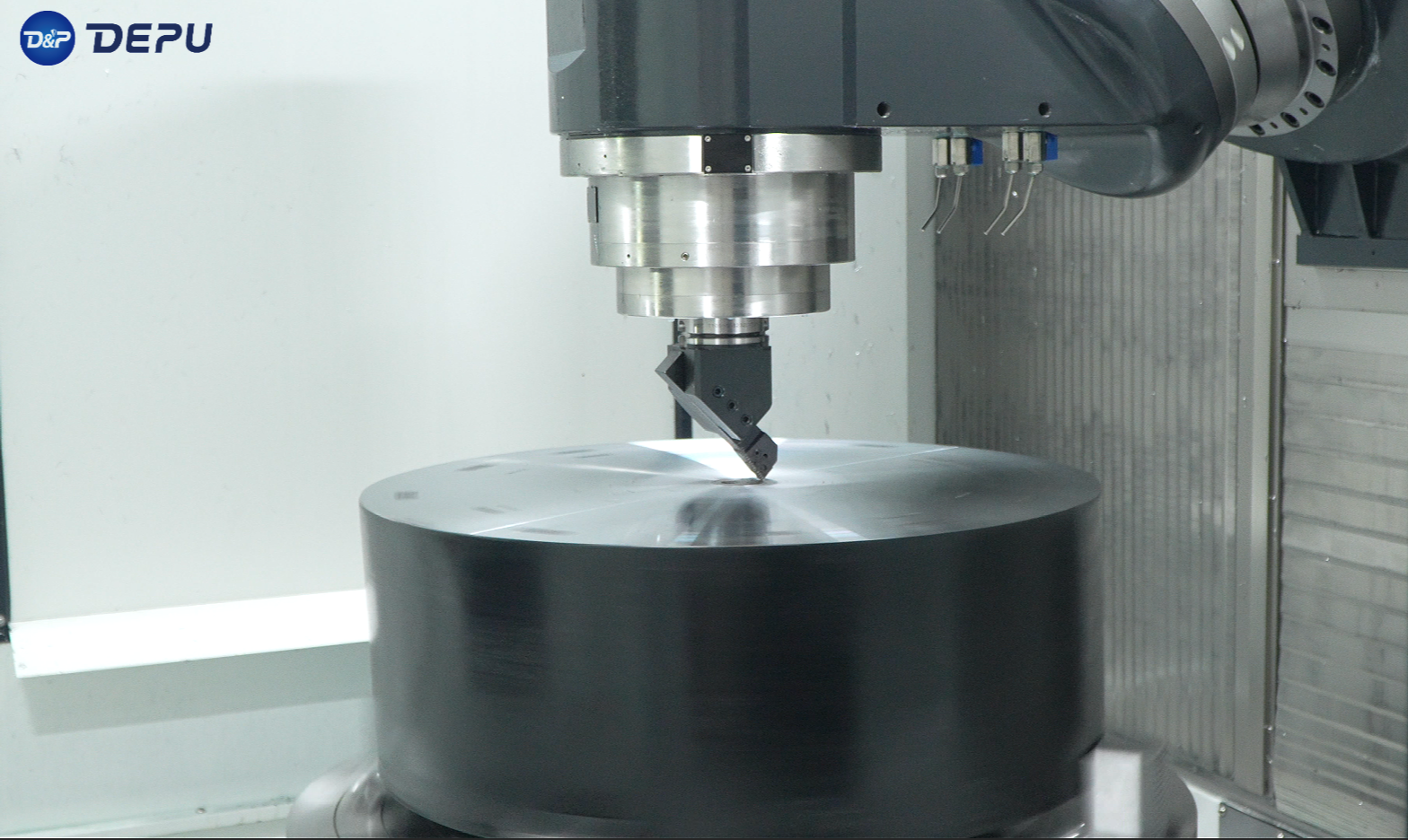
The machine structure is the most critical factor influencing durability. A well-designed structure ensures that the machine maintains geometric stability under continuous operation.
High long-term reliability of 5-axis machining centers depends on:
-
heavy and rigid machine bases
-
reinforced columns or gantry structures
-
optimized load paths to reduce deformation
-
high damping capacity to absorb vibration
Without strong structural integrity, accuracy degradation becomes inevitable over time.
Component Quality and Wear Resistance
A 5-axis machining center is only as reliable as its core components. High-quality components are essential for maintaining performance under continuous load and high-speed conditions.
The long-term reliability of 5-axis machining centers is strongly influenced by:
-
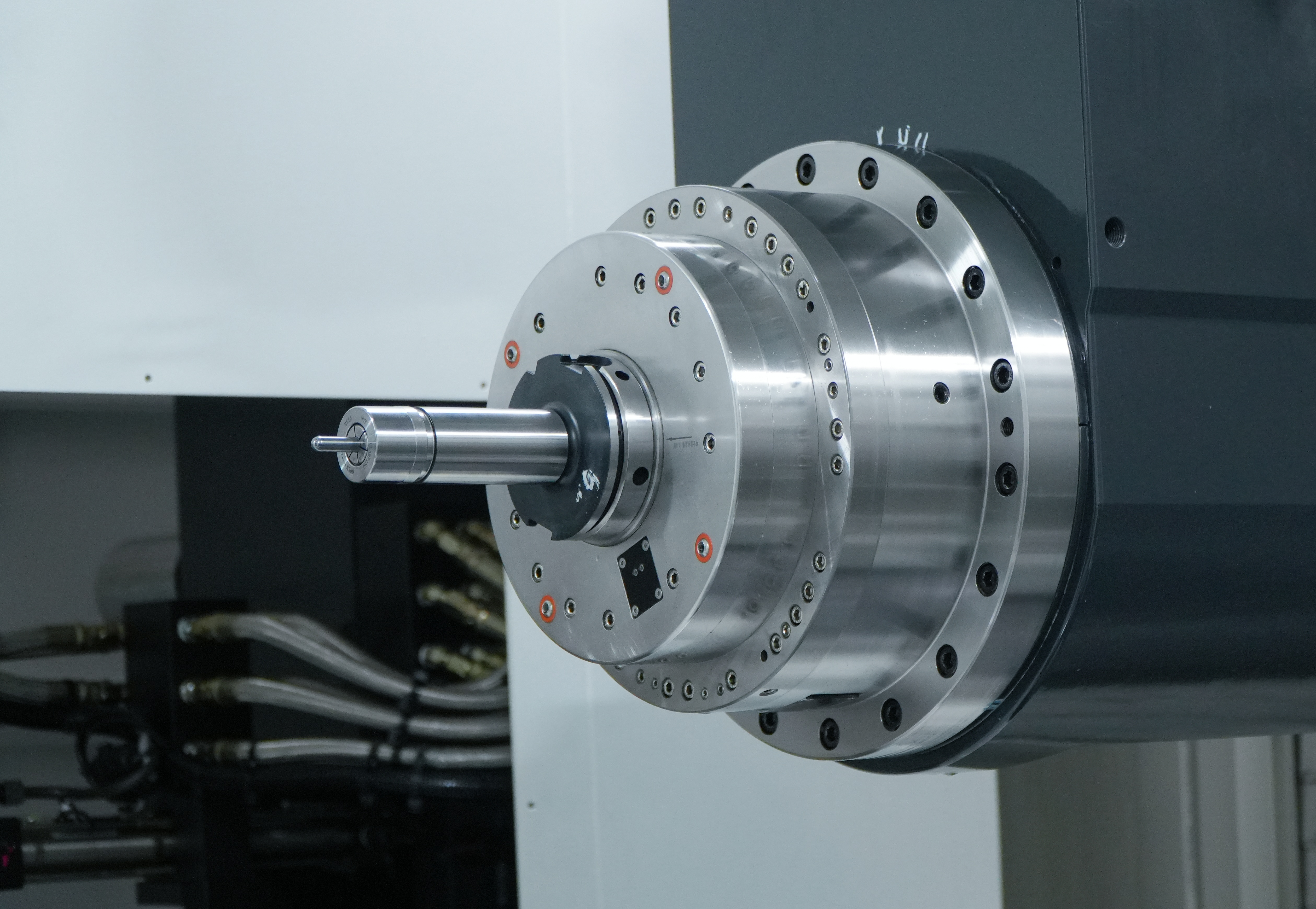
high-performance spindle systems
-
precision bearings designed for high load and speed
-
durable linear guides and ball screws
-
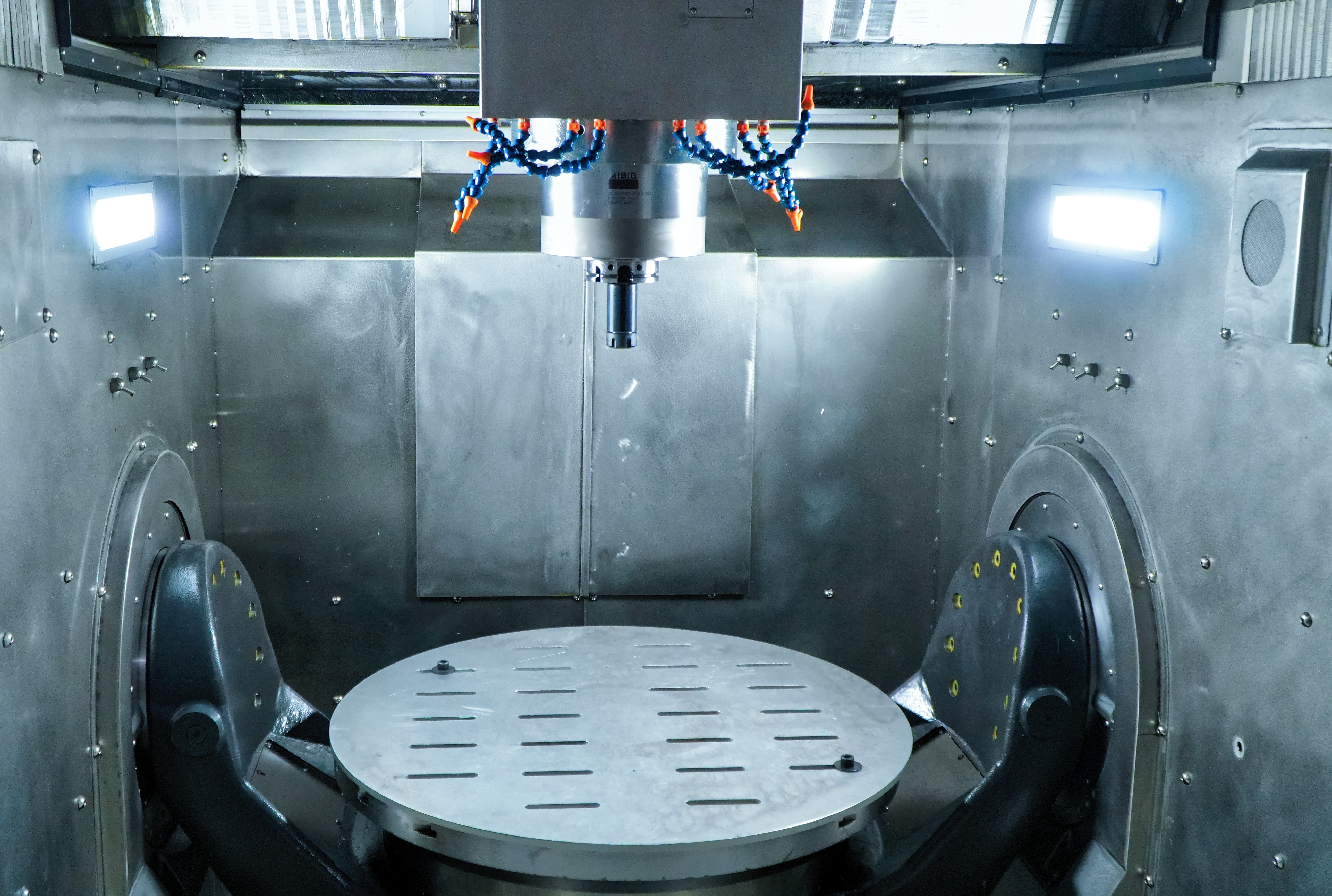
stable rotary axes with minimal backlash
Component wear is unavoidable, but premium components significantly slow this process and extend machine lifespan.
Thermal Stability and Environmental Control
Thermal variation is one of the biggest threats to machining accuracy over time. Heat generated during operation can cause expansion in machine components, leading to geometric errors.
Ensuring long-term reliability of 5-axis machining centers requires effective thermal management strategies, such as:
-
spindle and motor cooling systems
-
real-time temperature monitoring
-
thermal compensation in CNC control systems
-
symmetric machine design to reduce distortion
Machines that effectively manage thermal effects maintain consistent precision even during long production cycles.
Precision Feedback and Control Systems
Accurate feedback systems are essential for maintaining positioning precision over time. Linear scales and high-resolution encoders allow real-time correction of positioning errors.
The long-term reliability of 5-axis machining centers is enhanced by:
-
closed-loop control systems
-
direct measurement of axis position
-
reduced cumulative positioning error
-
improved repeatability across cycles
Advanced CNC systems also contribute by ensuring smooth motion control and precise multi-axis synchronization.
Kinematic Accuracy and Calibration Stability
5-axis machining relies on precise coordination between linear and rotary axes. Misalignment or calibration drift can significantly affect machining results.
Maintaining long-term reliability of 5-axis machining centers requires:
-
stable kinematic design
-
accurate axis alignment
-
easy calibration and compensation procedures
Machines designed with long-term calibration stability reduce maintenance effort and ensure consistent part quality.
Protection, Lubrication, and Maintenance Design
Over time, environmental factors such as chips, coolant, and dust can impact machine performance. Proper protection systems are essential for preventing premature wear.
High long-term reliability of 5-axis machining centers is supported by:
-
sealed guideways and protective covers
-
automatic lubrication systems
-
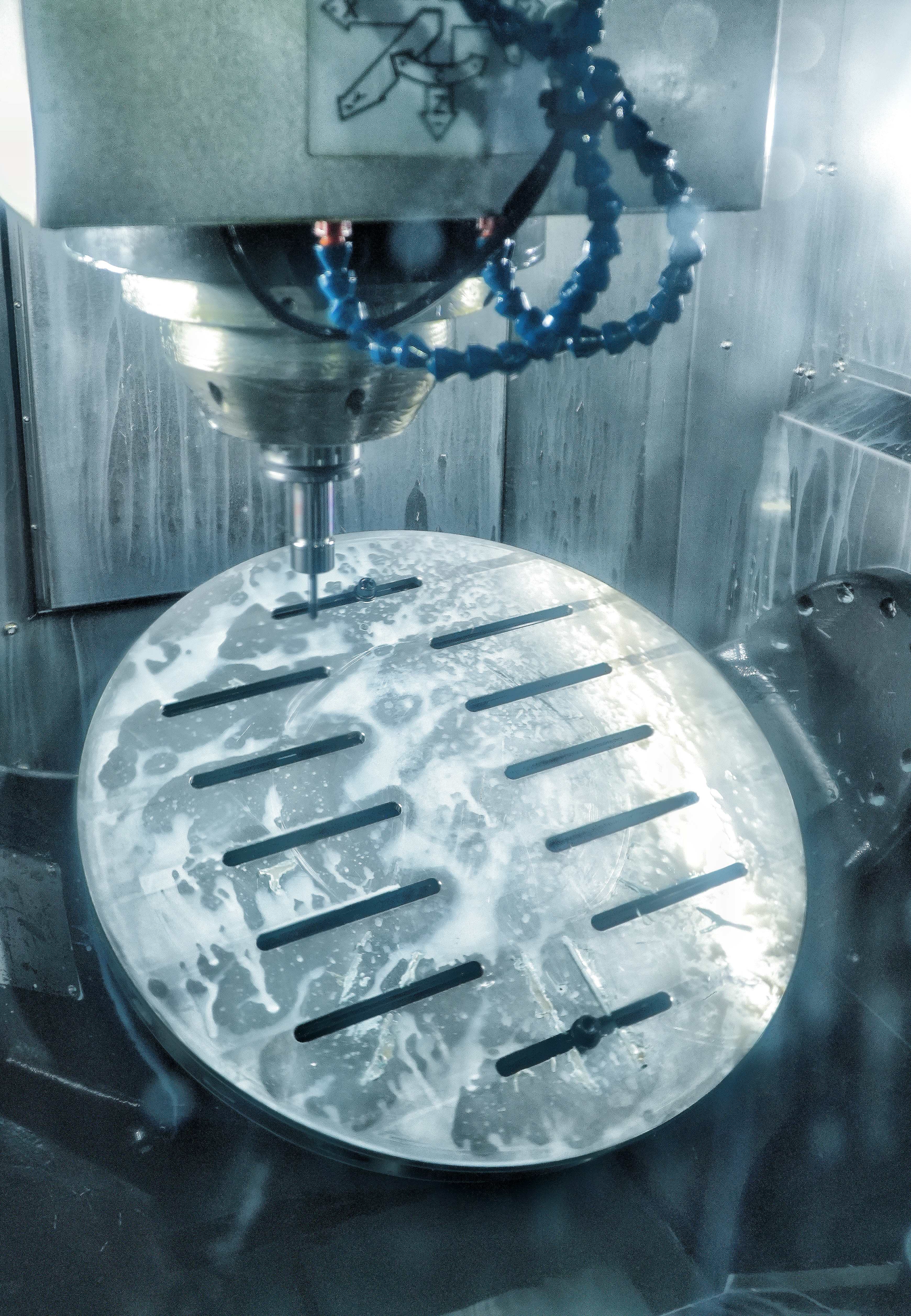
efficient chip evacuation design
These features protect critical components and extend service life.
The Role of Machine Design Philosophy
Ultimately, reliability is not defined by a single factor but by the integration of all design elements. Machines engineered with a focus on durability and stability outperform those optimized only for short-term performance.
The long-term reliability of 5-axis machining centers reflects the manufacturer’s design philosophy—whether the focus is on sustained precision or short-term cost reduction.
Conclusion
The long-term reliability of a 5-axis machining center depends on a combination of structural strength, component quality, thermal stability, and system precision.
Manufacturers that prioritize these factors can ensure consistent performance, reduced maintenance costs, and higher production efficiency. In the long run, the long-term reliability of 5-axis machining centers determines the true return on investment.
FAQ
1. What is the most important factor for long-term reliability?
Machine structure is the foundation, as it ensures stability and supports all other systems.
2. How do components affect machine lifespan?
High-quality components wear more slowly and maintain precision under continuous operation.
3. Why is thermal stability critical?
Temperature changes can cause deformation, affecting accuracy and consistency over time.
4. How can reliability be maintained over years of use?
Through proper maintenance, calibration, and selecting machines designed for durability.