
Why Machine Balance and Center of Gravity Matter in 5-Axis Machining
Introduction: Hidden Factors Behind Precision
In 5 axis machining, achieving consistent micron level machining is not only about spindle performance or control systems. One of the most overlooked yet critical factors is machine balance CNC, particularly the distribution of mass and the center of gravity CNC.
Improper balance introduces instability, increases vibration, and reduces positioning accuracy. Even with high-end components, poor balance can limit overall 5 axis machining accuracy. This is why advanced machine tool design places strong emphasis on structural balance and optimized center of gravity.
1. Machine Balance CNC: The Foundation of Stability
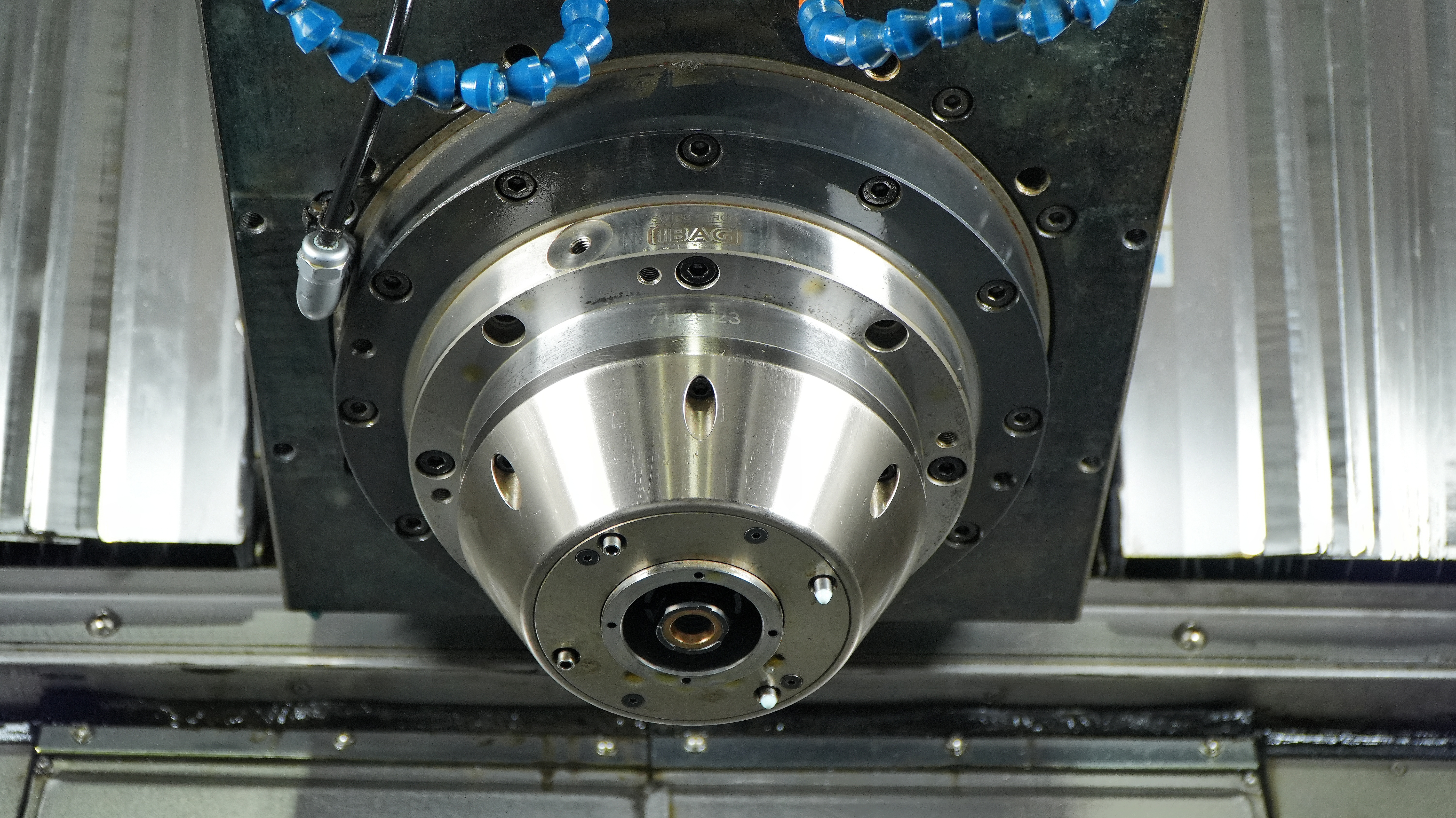
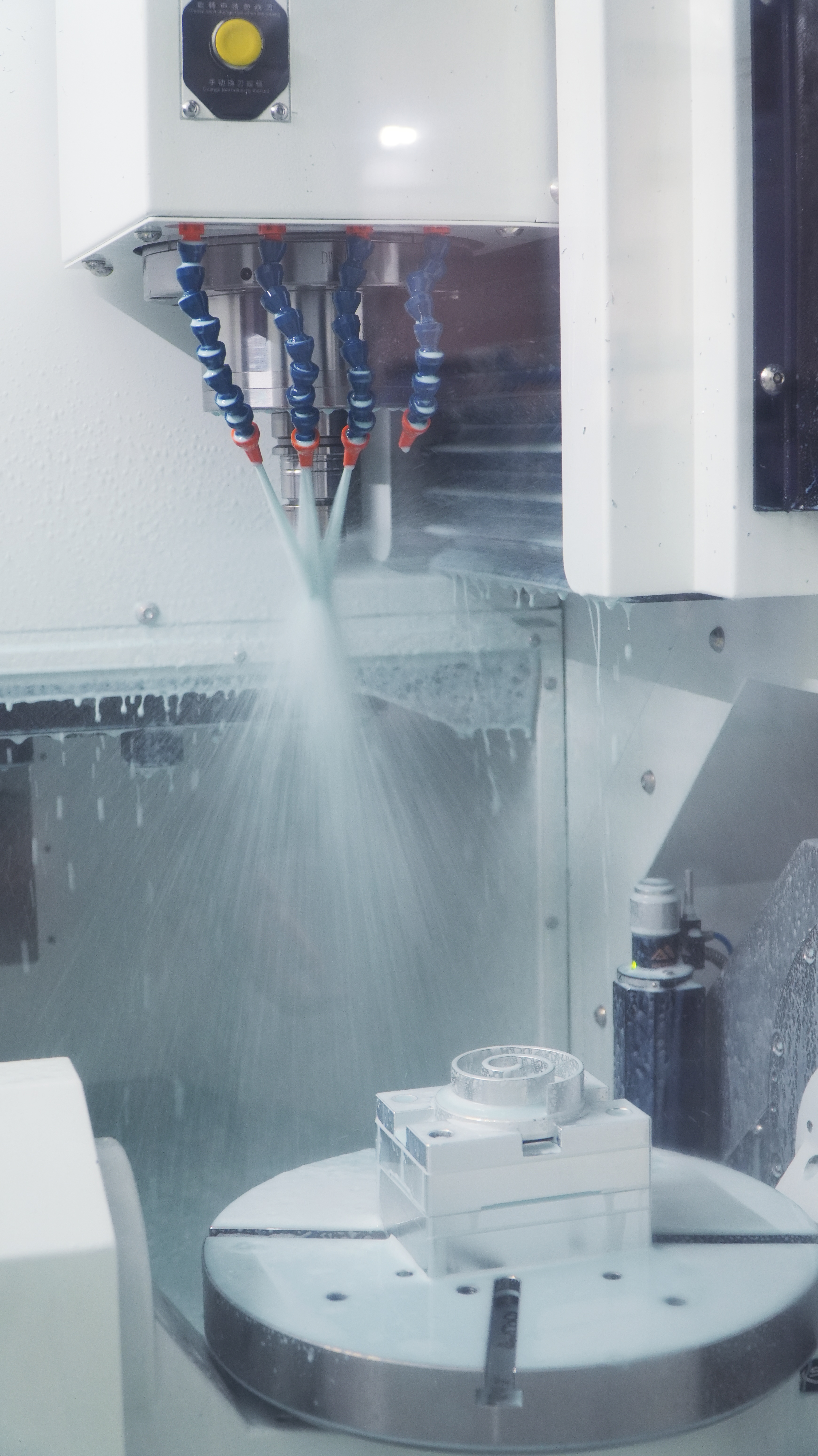
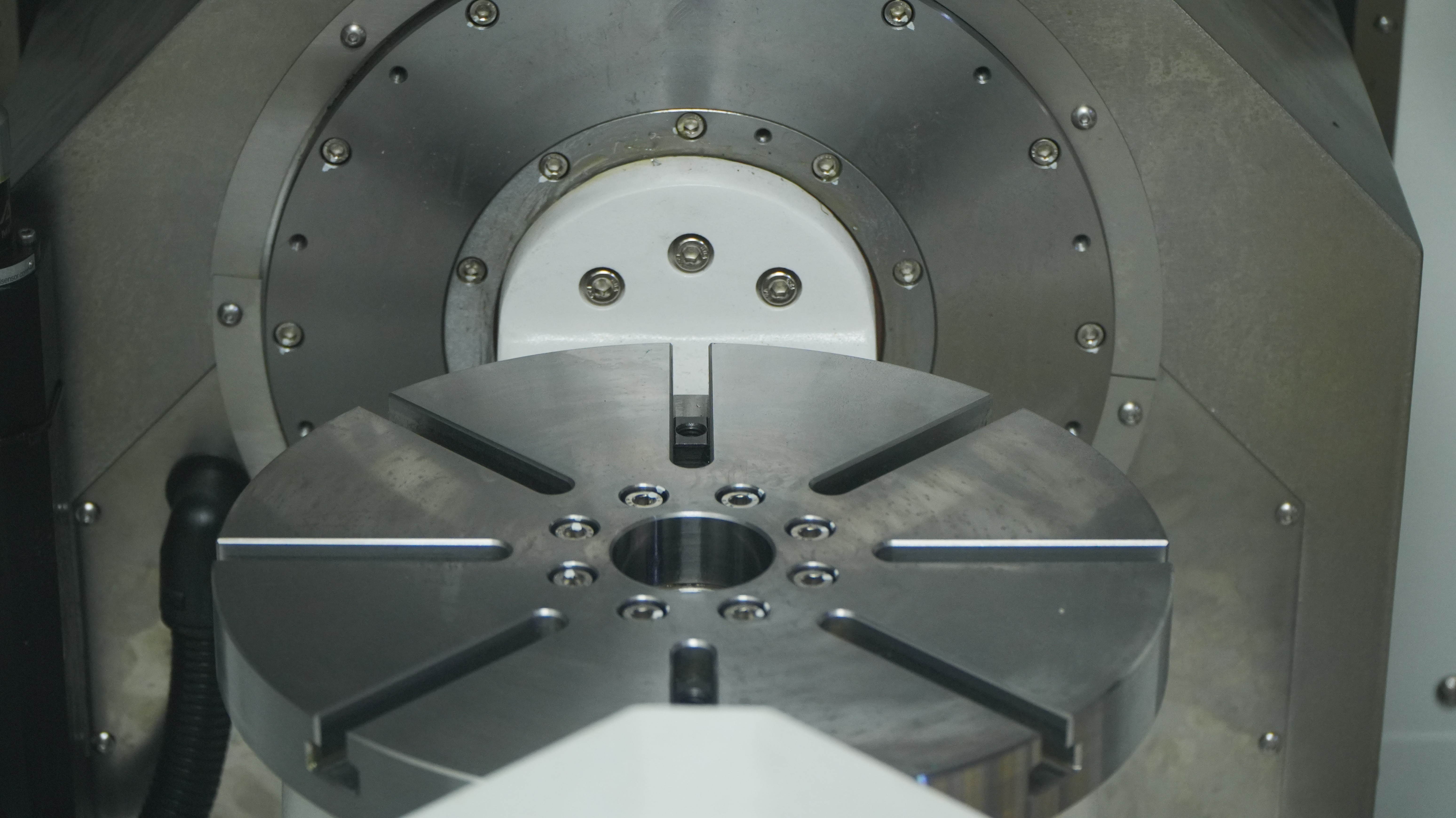
Machine balance CNC refers to how mass is distributed across the machine structure, especially in moving components such as rotary tables, tilting heads, and gantry systems.
A well-balanced machine:
- Reduces uneven load on guideways and bearings
- Minimizes structural deformation during motion
- Improves overall CNC machine rigidity
In contrast, poor balance leads to asymmetric forces, which directly affect precision CNC machining and increase wear over time.
2. Center of Gravity CNC: Controlling Motion Accuracy
The center of gravity CNC determines how a machine behaves during acceleration, deceleration, and multi-axis interpolation.
When the center of gravity is properly optimized:
- Motion becomes smoother and more predictable
- Servo systems operate more efficiently
- Positioning errors are reduced
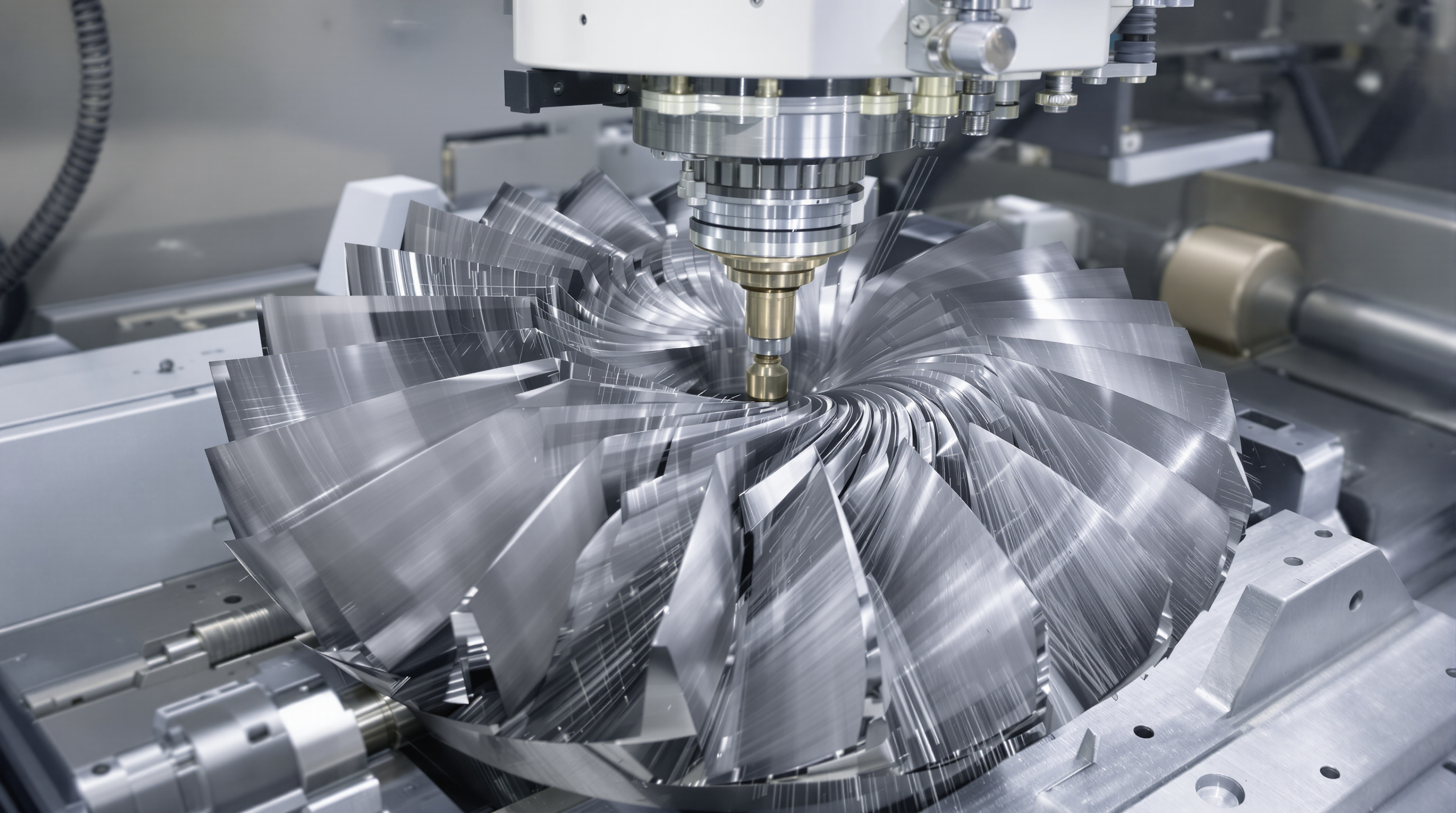
In 5-axis systems, where rotational and linear axes move simultaneously, even slight deviations in center of gravity can compromise micron level machining and reduce 5 axis machining accuracy.
3. Dynamic Stability CNC: Balance Under High-Speed Conditions
High-speed machining places significant demands on dynamic stability CNC. Any imbalance amplifies vibration, especially during rapid axis movements.
Advanced machine designs improve dynamic stability CNC by:
- Optimizing mass distribution across moving parts
- Reducing inertia in rotational axes
- Ensuring symmetrical structural layouts
This allows machines to maintain stable cutting conditions, improving surface quality and ensuring consistent high precision machining.
4. Interaction with CNC Machine Rigidity
While CNC machine rigidity is essential, it cannot compensate for poor balance. Even a highly rigid structure will experience instability if mass distribution is uneven.
Optimized machine tool structure design integrates:
- High rigidity with balanced geometry
- Stable support for rotating components
- Controlled load transfer across axes
This combination ensures both structural strength and stable motion, which are critical for reliable precision CNC machining.
5. Impact on 5 Axis CNC Machine Structure Design
In 5 axis CNC machine structure, balance and center of gravity become even more complex due to additional rotary axes.
Well-designed systems:
- Keep the center of gravity close to the machining center
- Reduce moment loads on rotary axes
- Maintain stability across the entire working envelope
This is especially important when machining large or heavy parts, where imbalance can significantly affect 5 axis machining accuracy.
6. Long-Term Performance and Reliability
Over time, imbalance leads to uneven wear on mechanical components, reducing machine life and accuracy.
Optimized machine balance CNC provides:
- Lower mechanical stress
- Reduced maintenance requirements
- Consistent micron level machining over long periods
For manufacturers, this translates into better reliability and lower total cost of ownership.
Conclusion: Balance Defines Performance
In advanced manufacturing, machine balance CNC and center of gravity CNC are not secondary considerations—they are core design principles.
They directly influence:
- Dynamic stability CNC
- CNC machine rigidity
- 5 axis machining accuracy
- Micron level machining consistency
A well-balanced machine with an optimized center of gravity ensures stable motion, higher precision, and long-term reliability, making it essential for modern high precision machining.
FAQ
1. Why is machine balance important in 5 axis machining?
Machine balance ensures even load distribution, reducing vibration and improving stability, which is essential for maintaining machining accuracy.
2. What is center of gravity CNC?
Center of gravity CNC refers to the distribution of mass within the machine, which affects motion behavior, stability, and positioning accuracy.
3. How does imbalance affect machining performance?
Imbalance increases vibration, causes uneven wear, and reduces precision, especially during high-speed and multi-axis operations.
4. Can CNC machine rigidity compensate for poor balance?
No. While rigidity is important, it cannot fully offset the negative effects of poor mass distribution and unstable center of gravity.
5. How does balance affect long-term machine reliability?
Proper balance reduces mechanical stress and wear, helping maintain accuracy and extending the machine’s service life.