
How 5-Axis Machining Improves Efficiency in Complex Part Manufacturing
Modern manufacturing industries are facing increasing pressure to produce more complex components with higher accuracy, shorter delivery times, and lower production costs. Traditional machining methods often require multiple setups, specialized fixtures, and additional manual operations to complete complicated geometries. These limitations increase production time and create more opportunities for dimensional errors.
This is where 5-axis machining provides a significant advantage.
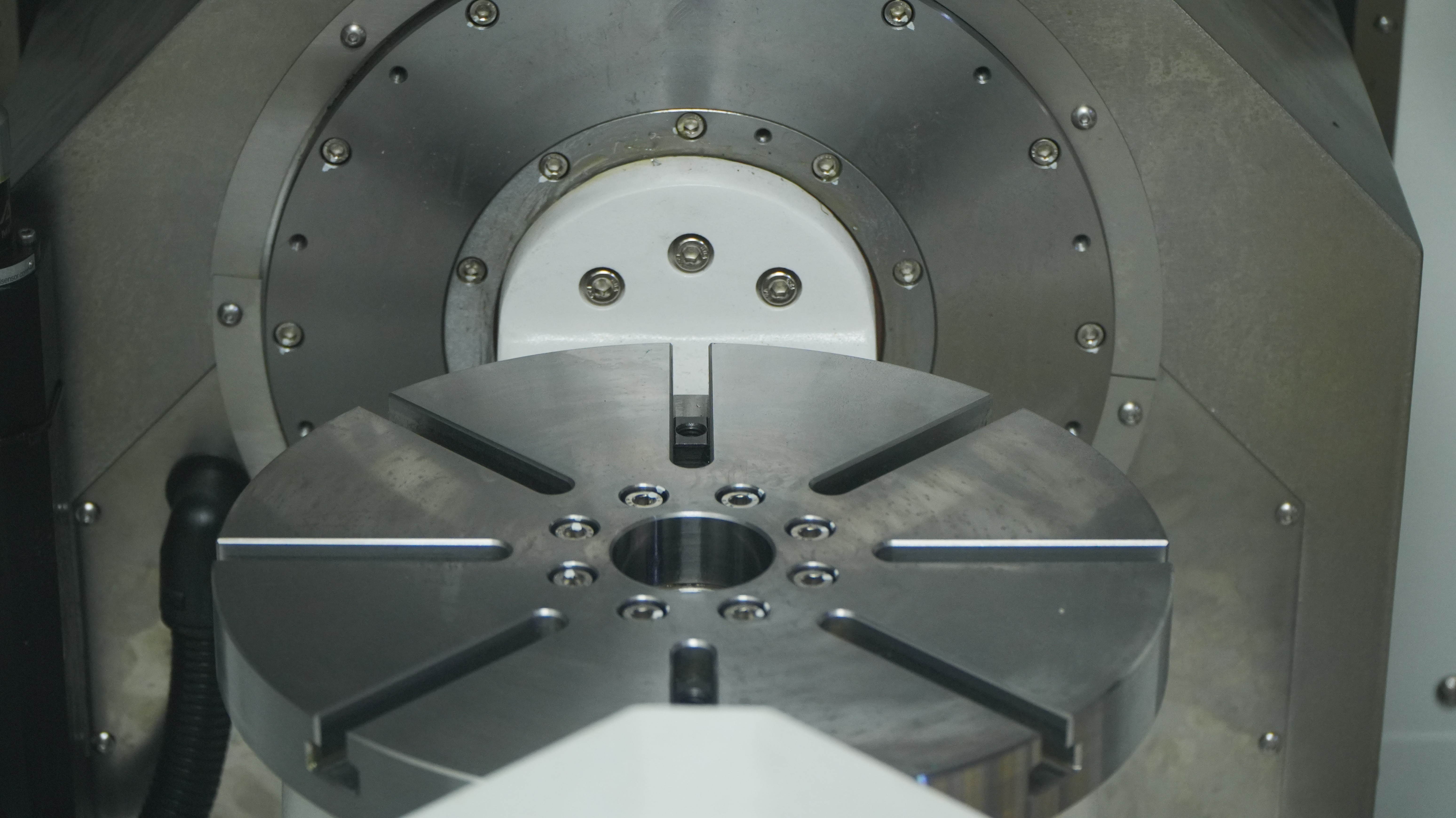
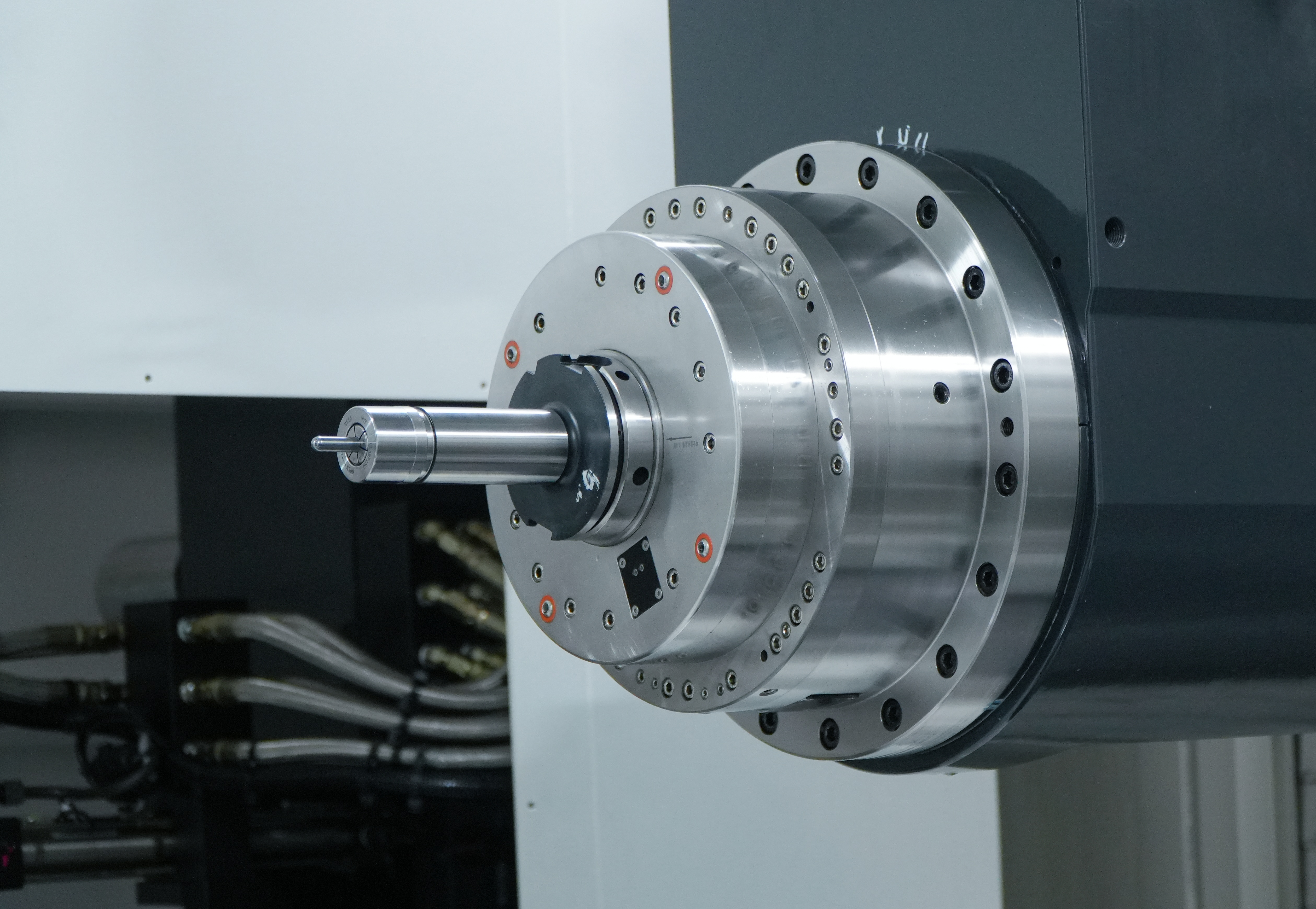
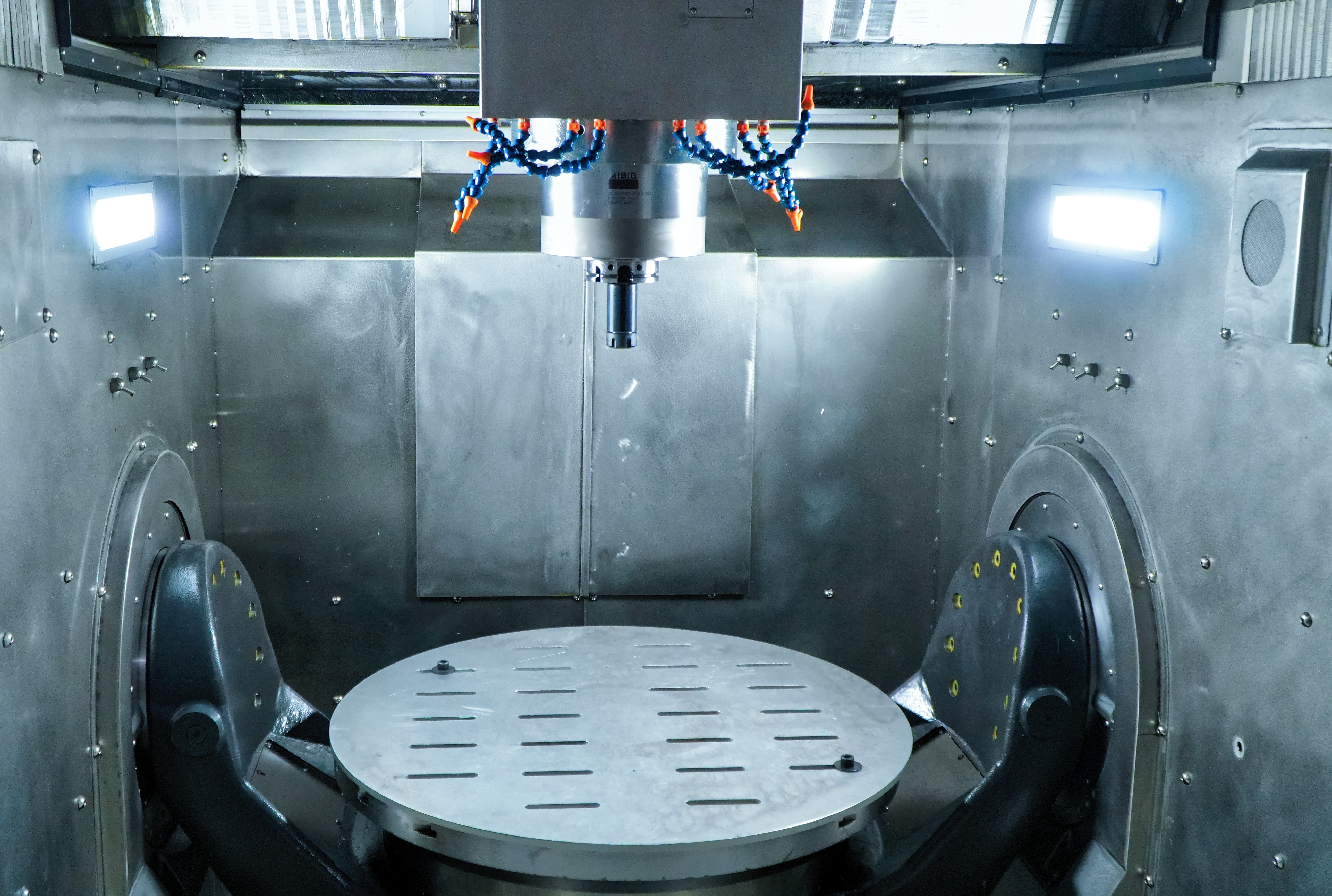
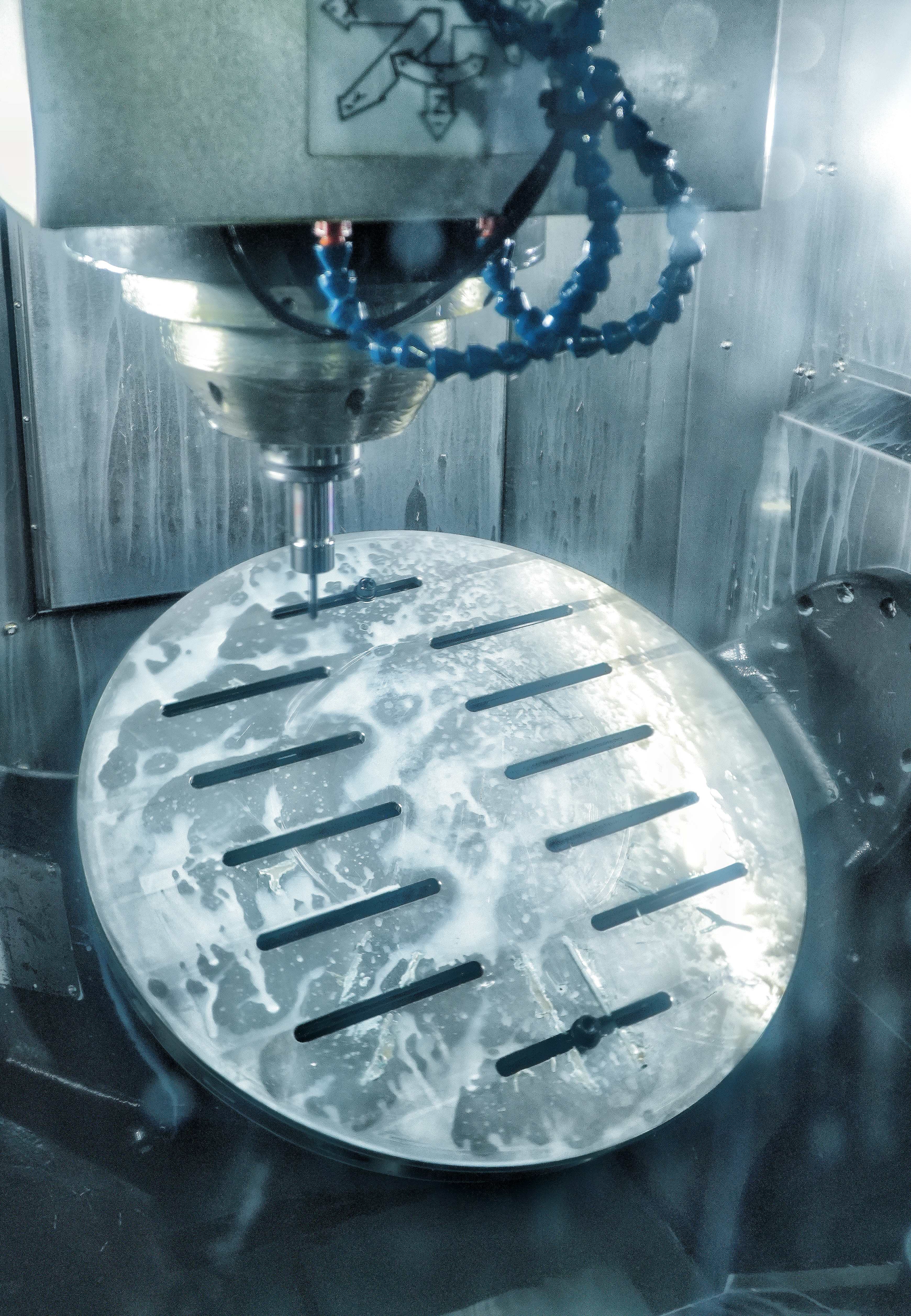
Unlike conventional 3-axis machining, which moves the cutting tool along X, Y, and Z linear axes, a 5-axis cnc machine adds two rotational axes that allow the tool and workpiece to move simultaneously from multiple directions. This capability enables manufacturers to machine complex surfaces, deep cavities, angled features, and precision contours in fewer setups.
For industries such as aerospace, automotive, medical devices, semiconductor equipment, and high-end mold manufacturing, 5-axis machining has become a critical solution for improving production efficiency while maintaining exceptional accuracy.
This article explains how a 5-axis cnc machine improves efficiency in complex part manufacturing and why more manufacturers are upgrading from traditional machining solutions.
1. Reducing Multiple Setups and Improving Production Efficiency
The Challenge of Traditional Multi-Setup Machining
One of the biggest limitations of conventional machining is the need for multiple setups.
When producing a complex component using a traditional 3-axis cnc machine, operators often need to reposition the workpiece several times to access different surfaces. Each repositioning requires:
- Fixture adjustment
- Workpiece alignment
- Datum re-establishment
- Additional inspection
Every additional setup increases production time and introduces potential positioning errors.
For precision components, even a small alignment deviation between setups can affect final part accuracy.
How 5-Axis Machining Solves Setup Problems
A 5-axis cnc machine allows manufacturers to access multiple sides of a workpiece in a single setup.
The additional rotary axes enable the cutting tool to approach the part from different angles without removing the workpiece. This significantly reduces:
- Setup preparation time
- Fixture requirements
- Manual repositioning
- Intermediate inspection steps
By completing more operations in one clamping, 5-axis machining improves process consistency and reduces human intervention.
For complex aerospace components, medical implants, and precision mechanical parts, reducing setups can dramatically shorten the overall manufacturing cycle.
2. Improving Tool Accessibility for Complex Geometries
Machining Difficult Features with Traditional Methods
Complex parts often contain:
- Deep pockets
- Angled holes
- Curved surfaces
- Undercut features
- Freeform geometries
With traditional 3-axis machining, tool accessibility becomes a major challenge. Operators must often use long cutting tools or create special fixtures to reach difficult areas.
However, longer tools introduce additional problems:
- Reduced rigidity
- Increased vibration
- Lower cutting performance
- Poorer surface finish
Better Tool Orientation with 5-Axis CNC
A major advantage of 5-axis machining is the ability to continuously adjust tool orientation.
Instead of forcing the tool to approach the workpiece from only one direction, a 5-axis cnc machine can tilt the cutting tool to maintain an optimized cutting angle.
Benefits include:
- Shorter tools
- Higher rigidity
- Better surface quality
- Faster material removal
- Improved tool life
This capability is especially valuable in industries requiring complex surface machining, such as aerospace turbine blades, medical implants, and precision molds.
3. Increasing Accuracy and Reducing Human Error
The Relationship Between Setup Accuracy and Part Quality
In precision machining, accuracy depends not only on machine capability but also on process stability.
Every time an operator changes the fixture position, there is a possibility of:
- Datum deviation
- Alignment errors
- Incorrect offsets
- Accumulated positioning mistakes
For high-value components, these errors can lead to expensive scrap and rework.
Precision Advantages of 5-Axis Machining
Because 5-axis machining can complete multiple operations in one setup, it reduces the number of times a workpiece must be repositioned.
This creates several advantages:
Improved positional accuracy
Critical features maintain their relationship to the original datum reference.
Better repeatability
Production batches achieve more consistent dimensions.
Reduced inspection requirements
Fewer setups mean fewer opportunities for variation.
A high-quality 5-axis cnc machine combined with advanced CNC control systems can achieve extremely stable precision machining results for demanding applications.
4. Improving Surface Finish and Reducing Secondary Operations
Maintaining Optimal Cutting Conditions
In conventional machining, tool orientation is often limited. This can force the cutting tool to operate in less-than-ideal conditions.
Poor tool engagement can cause:
- Uneven cutting forces
- Excessive vibration
- Poor surface finish
- Shorter tool life
Continuous Tool Angle Control
A 5-axis cnc machine allows the cutting tool to maintain a better relationship with the workpiece surface.
This improves:
- Cutting stability
- Material removal efficiency
- Surface consistency
For complex curved surfaces, 5-axis machining can reduce or eliminate additional finishing operations.
This is particularly important for industries where surface quality directly affects product performance, including aerospace and medical manufacturing.
5. Increasing Manufacturing Flexibility
One Machine, Multiple Applications
Modern manufacturers need equipment that can handle diverse production requirements.
A traditional machine may require different fixtures or machines for different operations.
A 5-axis cnc machine provides greater flexibility by supporting:
- Complex milling
- Multi-angle drilling
- Contouring
- Surface finishing
- Precision component manufacturing
This makes it easier for manufacturers to adapt to new projects without investing in multiple specialized machines.
Supporting Advanced Manufacturing Requirements
As industries move toward lightweight structures and complex designs, component geometries continue to become more challenging.
Examples include:
- Aerospace structural parts
- Automotive lightweight components
- Medical implants
- Energy equipment parts
These applications require advanced 5-axis machining capabilities that traditional equipment cannot efficiently provide.
6. Lowering Long-Term Manufacturing Costs
Although the initial investment for a 5-axis cnc machine is higher than traditional machining equipment, the long-term economic benefits are significant.
A 5-axis machining solution can reduce:
- Labor requirements
- Fixture costs
- Setup time
- Scrap rates
- Secondary processing
Higher machine utilization and faster production cycles also improve overall manufacturing efficiency.
For companies producing complex, high-value components, the productivity gains often justify the initial investment.
7. The Role of CAM Software in 5-Axis Machining Efficiency
Advanced CAM software is essential for maximizing the benefits of 5-axis machining.
Modern CAM solutions provide:
- Automatic toolpath generation
- Collision detection
- Machine simulation
- Tool axis optimization
These functions help engineers create safer and more efficient machining programs.
A properly configured CAM workflow allows manufacturers to fully utilize the capabilities of a 5-axis cnc machine while reducing programming time and machining risks.
FAQ
What is the biggest advantage of 5-axis machining?
The biggest advantage of 5-axis machining is the ability to complete complex parts in fewer setups. By allowing multi-directional tool movement, a 5-axis cnc machine improves accuracy, reduces production time, and increases manufacturing efficiency.
Is 5-axis machining better than 3-axis machining?
For simple components, 3-axis machining may be sufficient. However, for complex geometries requiring multiple angles and surfaces, 5-axis machining provides significant advantages through better tool access, fewer setups, and improved precision.
Which industries use 5-axis cnc machines?
A 5-axis cnc machine is widely used in aerospace, automotive, medical devices, semiconductor equipment, energy, and precision mold manufacturing industries where complex parts and high accuracy are required.
Does 5-axis machining reduce production costs?
Yes. Although the initial investment is higher, 5-axis machining reduces manufacturing costs by minimizing setups, lowering fixture requirements, improving tool utilization, and reducing scrap caused by positioning errors.
What is required to operate a 5-axis cnc machine?
Successful 5-axis machining requires:
- Advanced CAM software
- Skilled programmers
- Proper machine calibration
- Appropriate tooling
- Effective process planning
A complete workflow is essential to achieve maximum efficiency.
Conclusion
As manufacturing continues to demand more complex geometries, tighter tolerances, and faster production cycles, 5-axis machining has become one of the most effective technologies for improving manufacturing efficiency.
By reducing setups, improving tool accessibility, increasing accuracy, and optimizing production workflows, a 5-axis cnc machine enables manufacturers to produce advanced components faster and more reliably.
For companies involved in aerospace, medical, automotive, and precision manufacturing, investing in advanced 5-axis machining technology is not only a production upgrade but also a strategic advantage for future competitiveness.
Explore DEPU CNC 5-Axis Machining Solutions:
www.depu.com