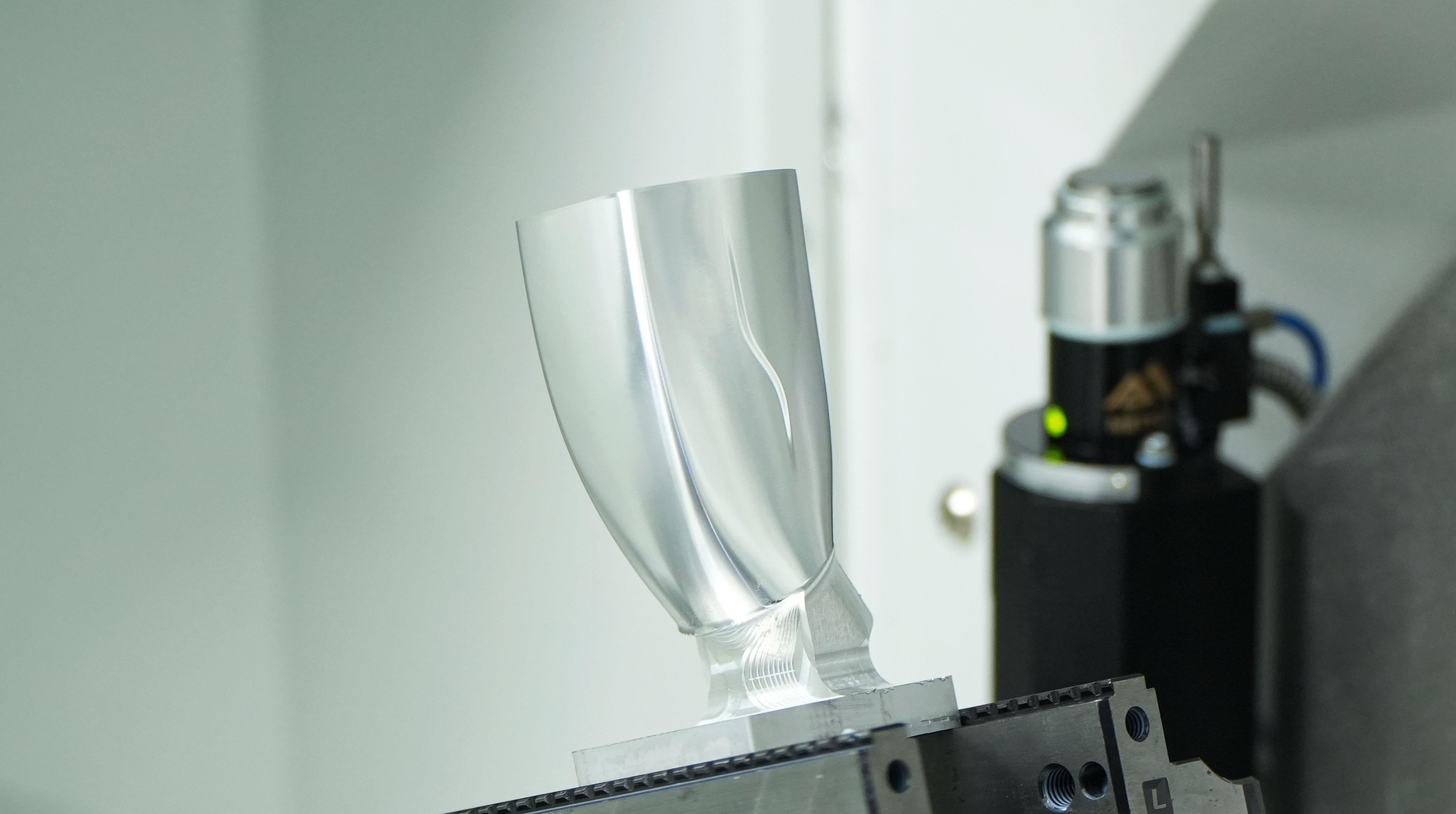

5 Axis CNC Machining: Enabling Complex, High-Precision Components in Aerospace
How 5 Axis CNC Machining Enables Complex Geometries in Aviation Components
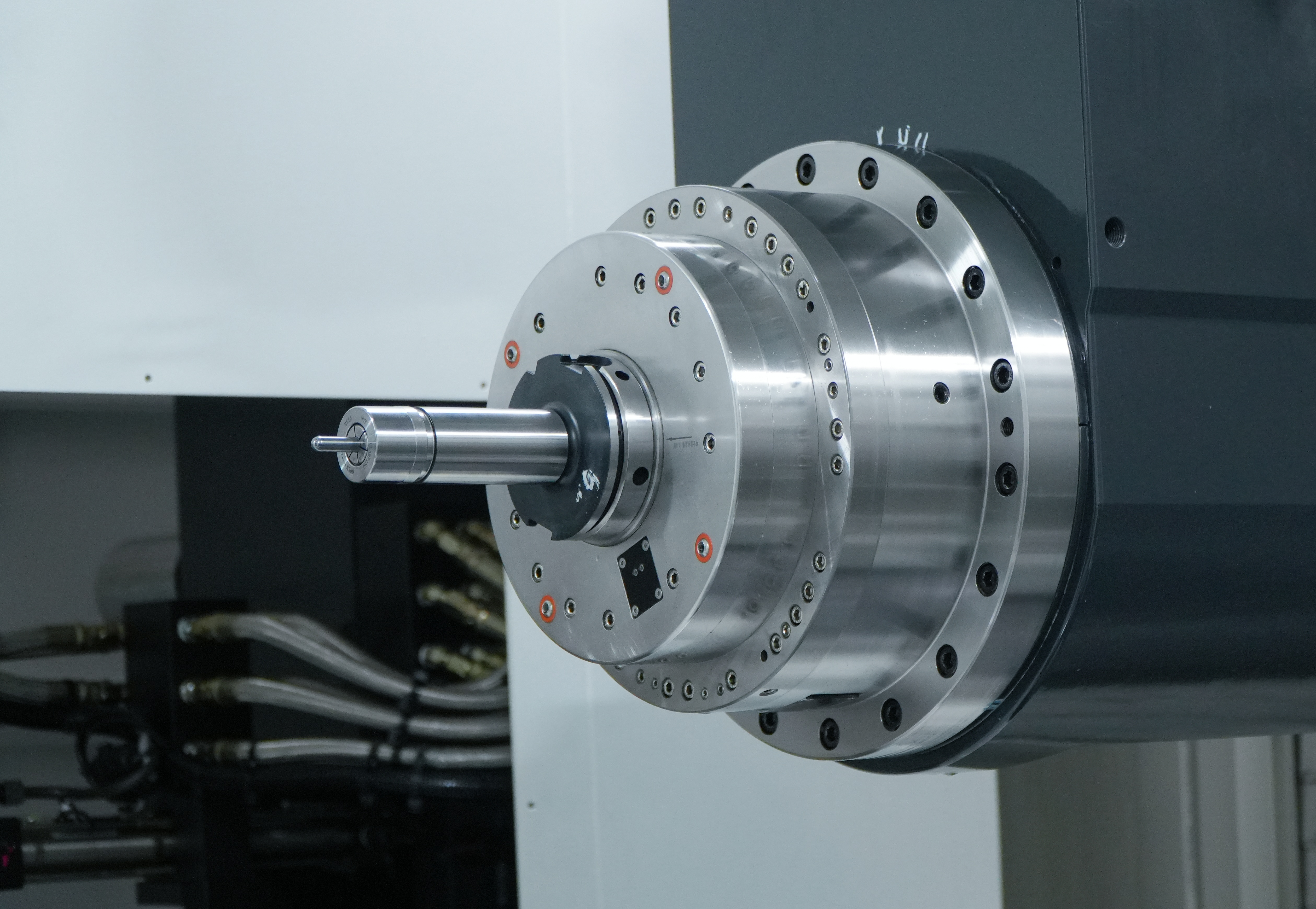
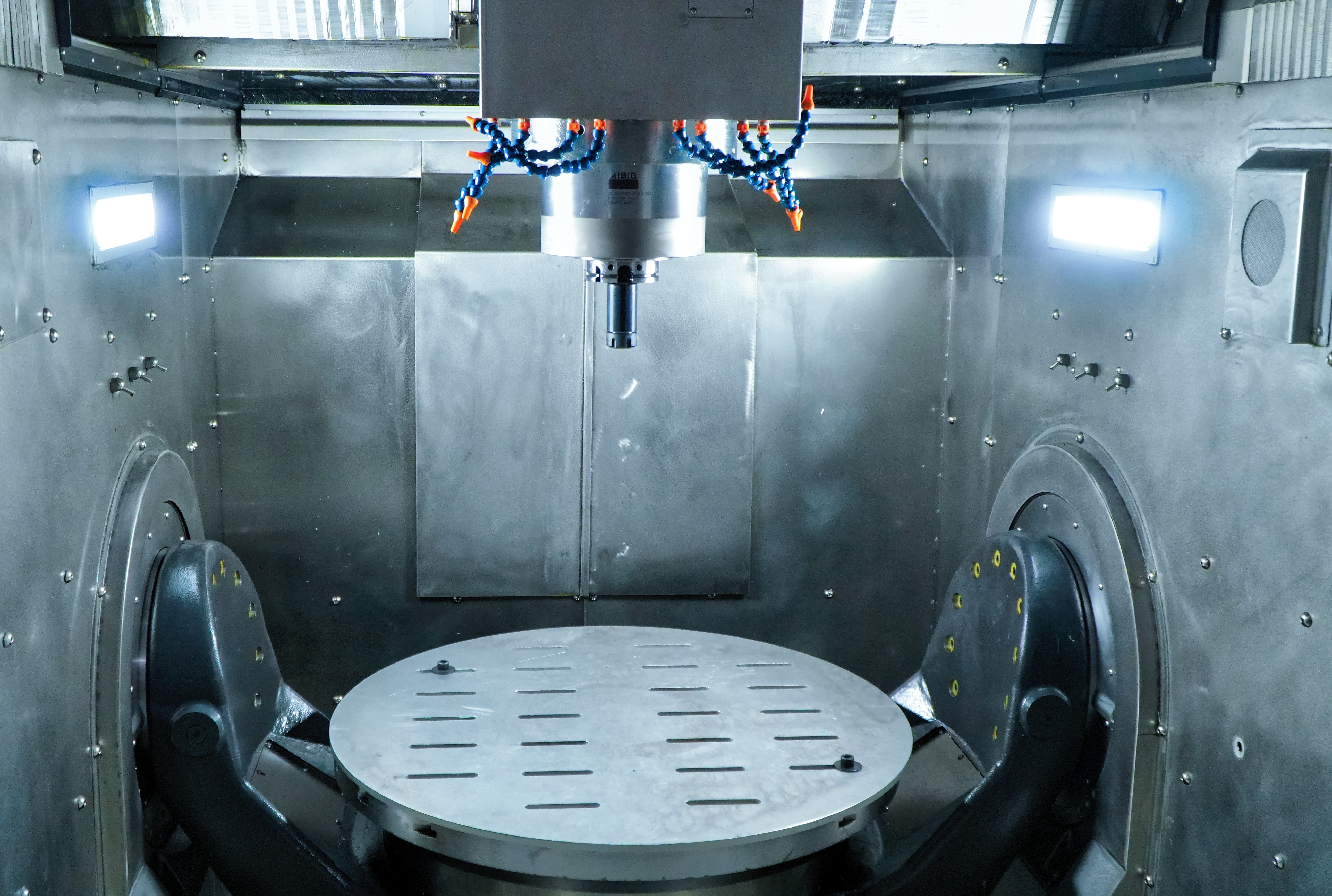
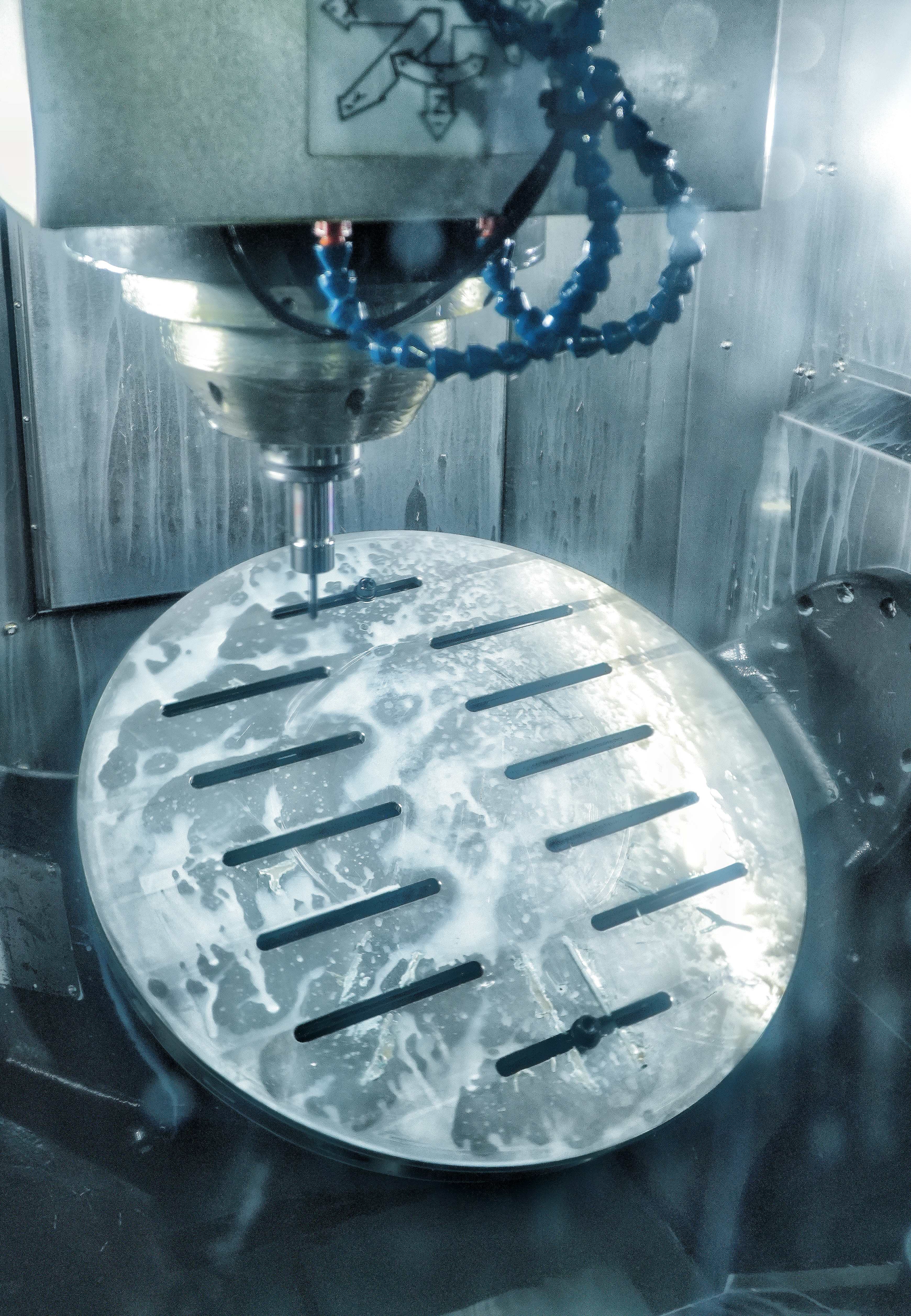
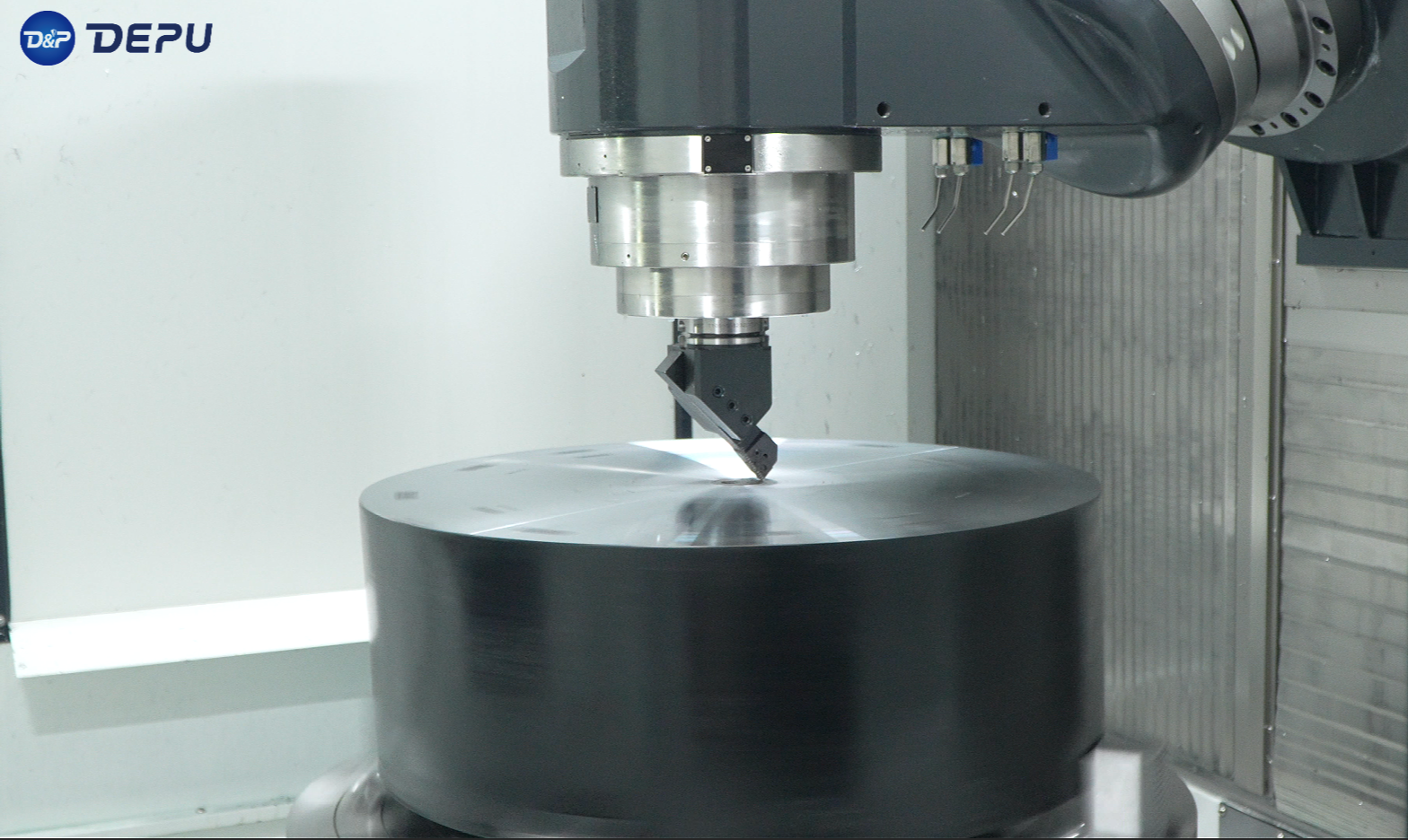
Five axis CNC machining has changed how things are made in the aerospace industry because it lets tools move along all five axes at once, giving access to almost every possible angle during production. This feature makes it possible to manufacture intricate parts like turbine blades, fuel system elements, and structural brackets that have those complicated curved shapes regular three axis machines just cant handle. According to a recent 2024 report on aerospace manufacturing practices, companies using five axis systems saw their setup times drop by nearly 92 percent when compared to traditional three axis approaches. Plus, they got about 40 percent better results in terms of shape accuracy. Another big plus? These machines allow manufacturers to combine what would normally be around 15 separate pieces into one solid component for some jet engines. We've actually seen this happen with titanium compressor cases according to several industry studies looking at real world applications.
Tight Tolerances and the Importance of Consistency and Repeatability in Production
Components used in aerospace applications need tolerances below ±0.0001 inches (about 2.5 microns) if they're going to work properly when exposed to harsh conditions at high altitudes. Today's advanced 5 axis CNC machines handle these tight specs thanks to their closed loop feedback systems and built in thermal compensation features. These systems can keep position accuracy around 5 microns even during long runs lasting almost two full days straight. To maintain quality throughout production, manufacturers rely heavily on statistical process control methods. Top tier suppliers in this field typically achieve around 99.98% repeatability rates when producing batches of critical aluminum parts like actuator housings for aircraft systems.
Case Study: Precision Machined Metal Parts in Jet Engine Turbines
For those working with high bypass turbofan engines, about 72 percent of all those thousands of parts (we're talking over 30,000 components) depend heavily on 5 axis machining processes. Let's talk about turbine blades specifically. These critical parts are made from special materials such as nickel based superalloys including Inconel 718. They need extremely precise airfoil shapes down to just 0.0002 inches accuracy. And they have to handle incredible heat too, operating at temperatures reaching around 1500 degrees Celsius during normal operation. The good news? Modern computer aided manufacturing software has really improved things. Rough cutting operations now happen approximately 87% quicker compared to methods used back in 2018. When it comes to finishing work, we're looking at surface finishes around 8 microns Ra which makes a big difference in how air flows over these surfaces, ultimately leading to better engine performance overall.
Challenges in Precision Machining Aerospace: Materials, Heat Resistance, and Structural Integrity
Machining aerospace-grade materials such as titanium (Ti-6Al-4V), Inconel 718, and carbon-fiber composites presents significant challenges:
| Material | Machining Difficulty | Key Consideration |
|---|---|---|
| Titanium Alloys | High | Heat generation (>500°C at tooltip) |
| Inconel 718 | Extreme | Work hardening during cutting |
| Carbon Composites | Moderate | Delamination risk at 25+ ply layers |
Recent advancements—such as diamond-coated end mills and high-pressure coolant systems (exceeding 1,000 PSI)—have reduced titanium machining costs by 18% and extended tool life by 3.2 times.
Balancing Speed and Precision in High-Stakes Aerospace Environments
Manufacturers optimize 5-axis workflows using adaptive roughing, which removes 65% of material in just 35% of the time, and trochoidal milling for hardened steels. Real-time vibration monitoring allows machining speeds to increase by 22% without sacrificing the ±0.00015" tolerances required for critical landing gear components.
Comparing Precision Demands: Commonalities and Differences Between Aerospace and Medical Sectors
Shared Standards: Safety-Critical Components in Aerospace and Medical Fields
The aerospace and medical industries both demand incredible precision at the sub-micron level for parts that literally mean life or death situations. When something goes wrong with these critical components, the consequences can be catastrophic. Take aviation for instance. Modern aircraft rely on 5 axis CNC machines to create essential parts like turbine blades and wing actuators. These components need to survive temperatures around 1500 degrees Fahrenheit while still maintaining tolerances tighter than half a thousandth of an inch. Now look at spinal implants in the medical field. Surgeons depend on these devices to fit within plus or minus 5 microns of their intended dimensions. The surfaces also need to be finished to less than 8Ra roughness to prevent bacteria from taking hold after surgery. Getting these numbers right isn't just about engineering excellence it's about keeping people safe.
Adherence to AS9100 (aerospace) and ISO 13485 (medical) standards has been shown to reduce component defects by 62% across both industries. These frameworks mandate:
- Full material traceability for each production batch
- Statistical process control (SPC) with real-time deviation detection
- Post-machining inspection via coordinate measuring machines (CMMs)
Divergent Challenges in Machining Challenging Materials Across Sectors
Aerospace manufacturers face difficulties with high-strength alloys like Inconel 718, requiring optimized toolpaths to avoid work hardening. In contrast, medical device producers focus on biocompatible materials such as Ti-6Al-4V ELI, where machining-induced heat can alter surface chemistry and trigger immune responses.
Heat management priorities differ significantly:
| Factor | Aerospace | Medical |
|---|---|---|
| Primary Concern | Structural fatigue at Mach 2 | Cellular-level biocompatibility |
| Critical Tolerance | ±0.0003" for jet engine seals | ±0.0002" for joint replacements |
| Validation Method | Wind tunnel simulations | ASTM F136 cytotoxicity tests |
These distinct requirements drive sector-specific 5-axis CNC strategies—emphasizing thermal stability in aerospace and surface integrity in medical applications.
FAQs
What is 5 Axis CNC Machining?
5 Axis CNC Machining refers to the computer numerical control system that allows simultaneous movement across five different axes, enhancing precision and capability in manufacturing complex and intricate components.
Why is 5 Axis CNC Machining important in aerospace?
In aerospace, 5 Axis CNC Machining is crucial for manufacturing complex geometries and ensuring precise tolerances in parts exposed to extreme conditions, such as high temperatures and pressures.
Can 5 Axis CNC Machining be used for medical devices?
Yes, 5 Axis CNC Machining plays a vital role in medical device manufacturing, where precision and biocompatibility are essential, and is used to produce surgical tools and implants.
What challenges do manufacturers face with 5 Axis CNC Machining?
Manufacturers face challenges such as heat management, machining high-strength materials, and ensuring precision and repeatability, which require specialized strategies and tools.