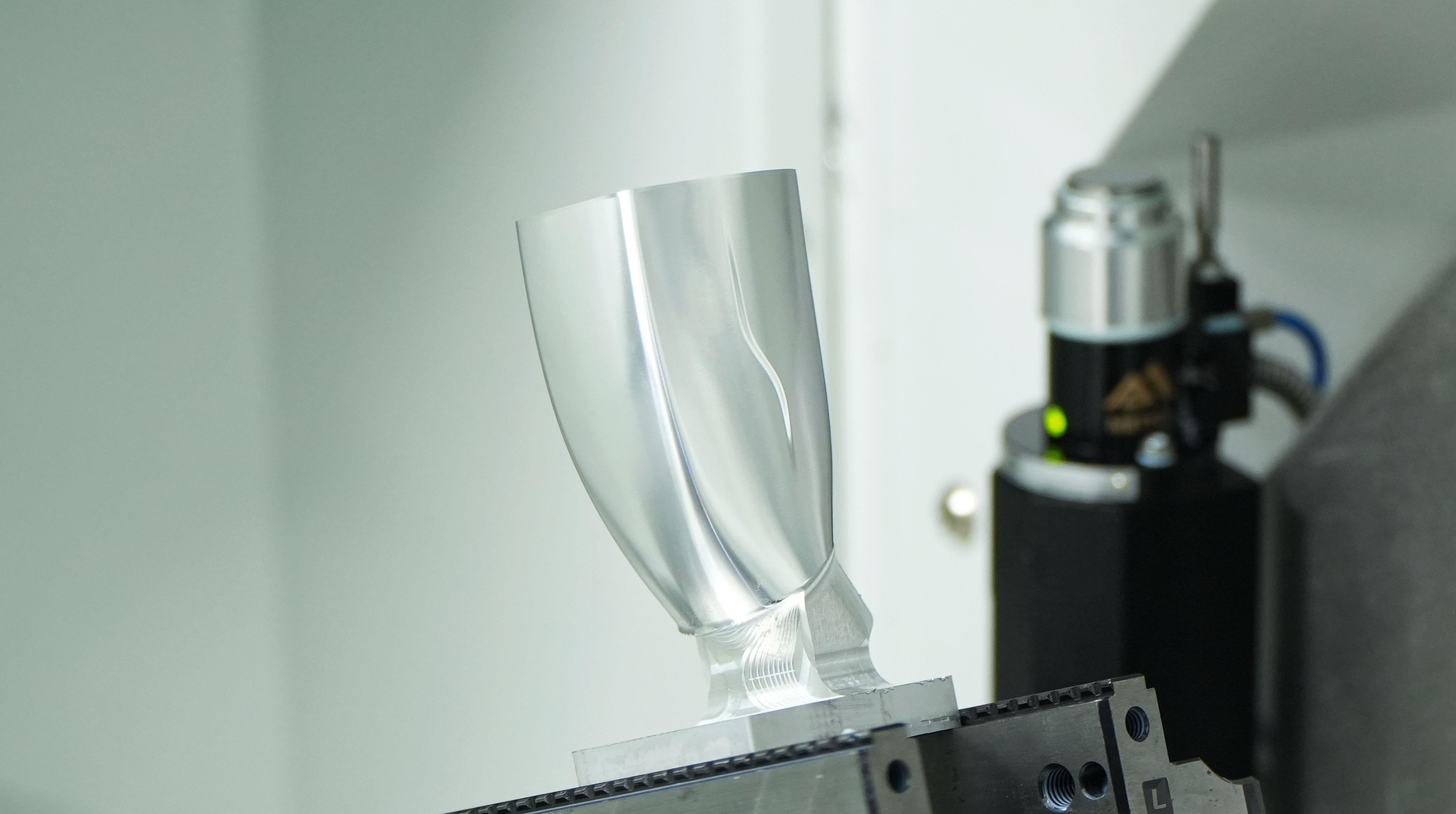

Introduction
As product designs become more complex and tolerances tighter, traditional 3-axis machining often reaches its limits. This is where 5-axis CNC machining becomes essential. By enabling simultaneous movement across five axes, manufacturers can machine complex geometries in a single setup, achieving higher precision, better surface quality, and shorter lead times. For industries such as aerospace, medical devices, energy, and high-end tooling, 5-axis CNC machining is no longer optional—it is critical.
This article explains what 5-axis CNC machining is, how it works, and why it plays a decisive role in complex parts manufacturing.
What Is 5-Axis CNC Machining?
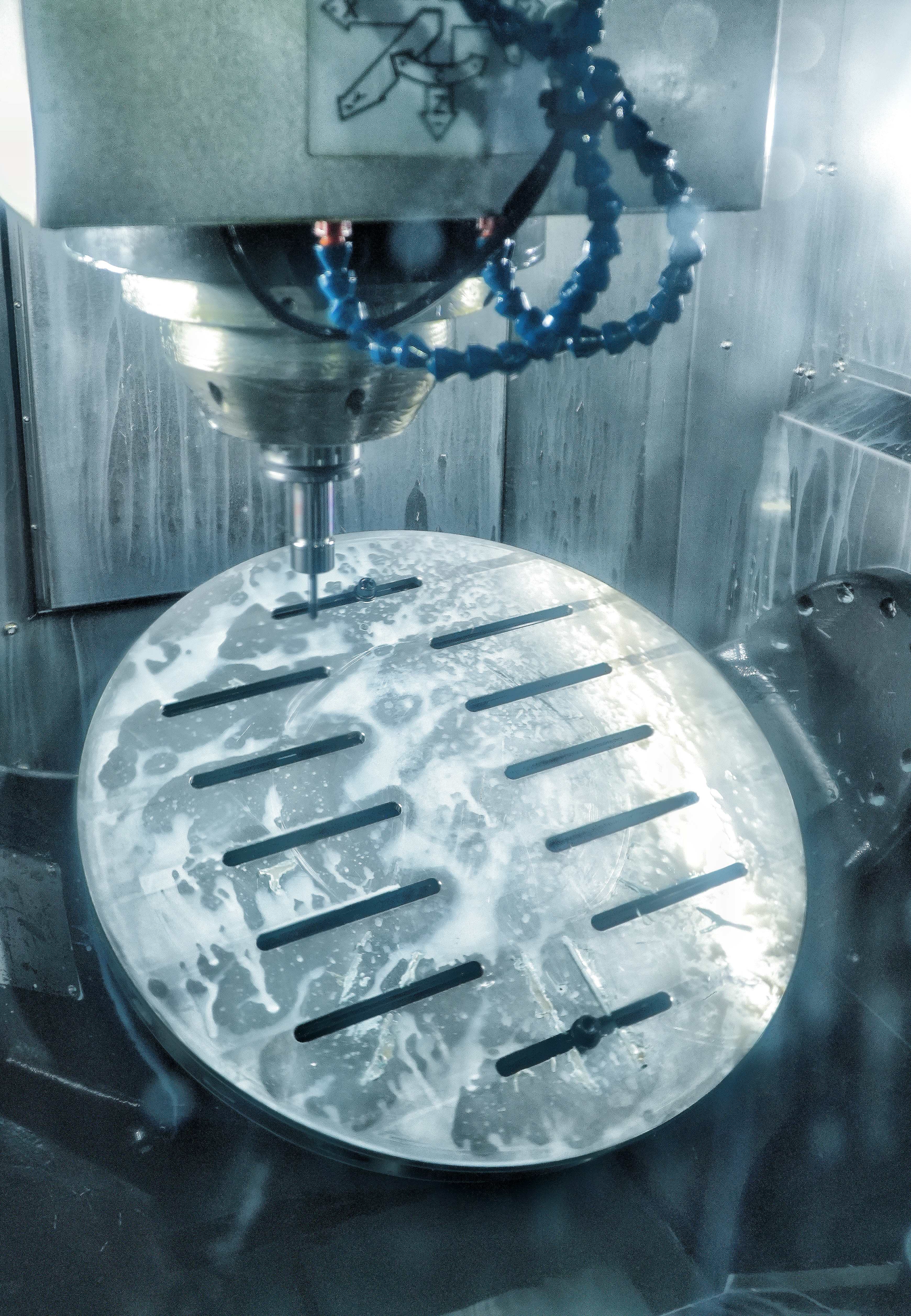
5-axis CNC machining refers to a machining process where cutting tools move along three linear axes (X, Y, Z) and two additional rotational axes (A and B or C). Unlike 3-axis machining, which requires multiple setups to access different faces of a part, 5-axis CNC machining allows continuous tool orientation during cutting.
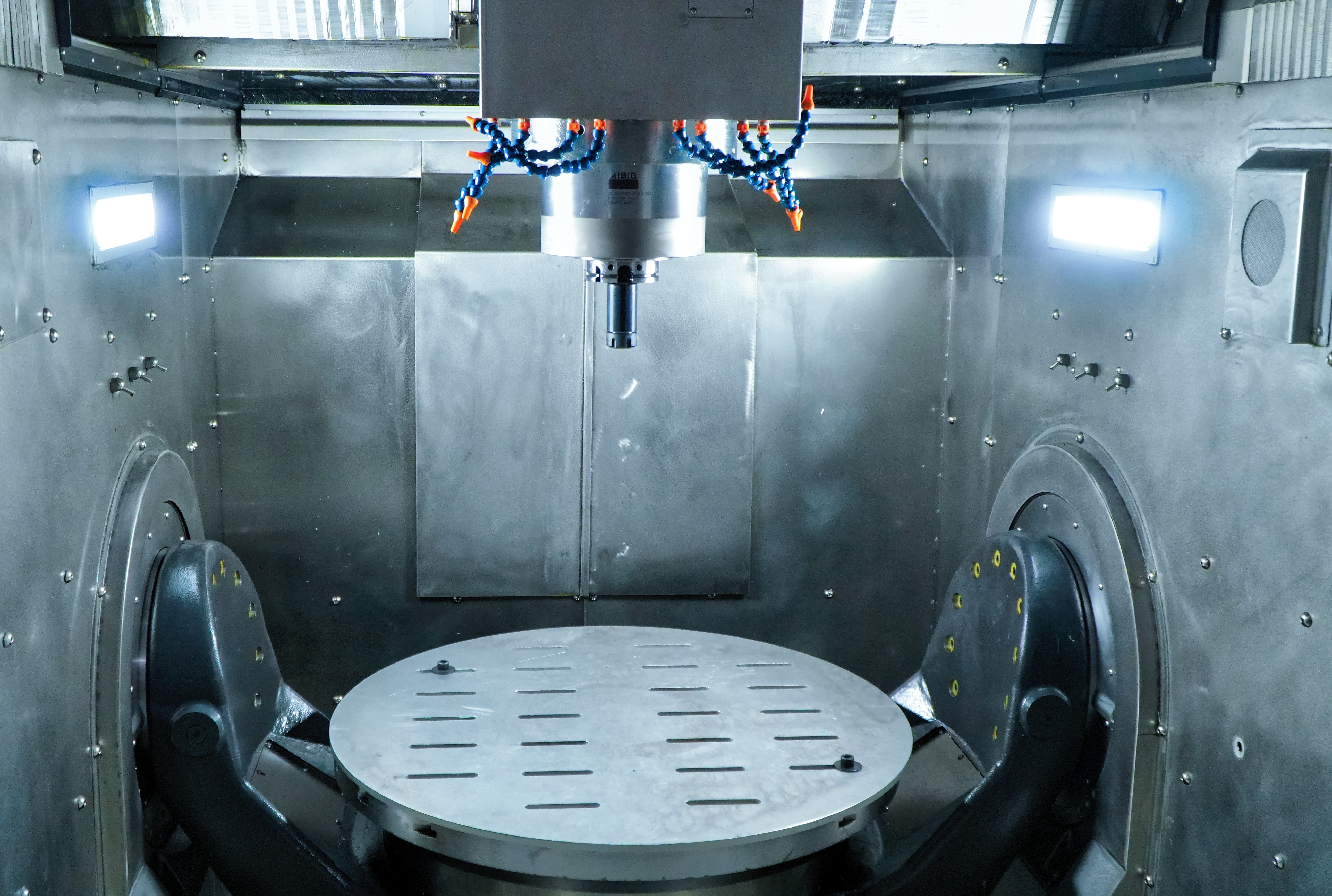
There are two common configurations:
-
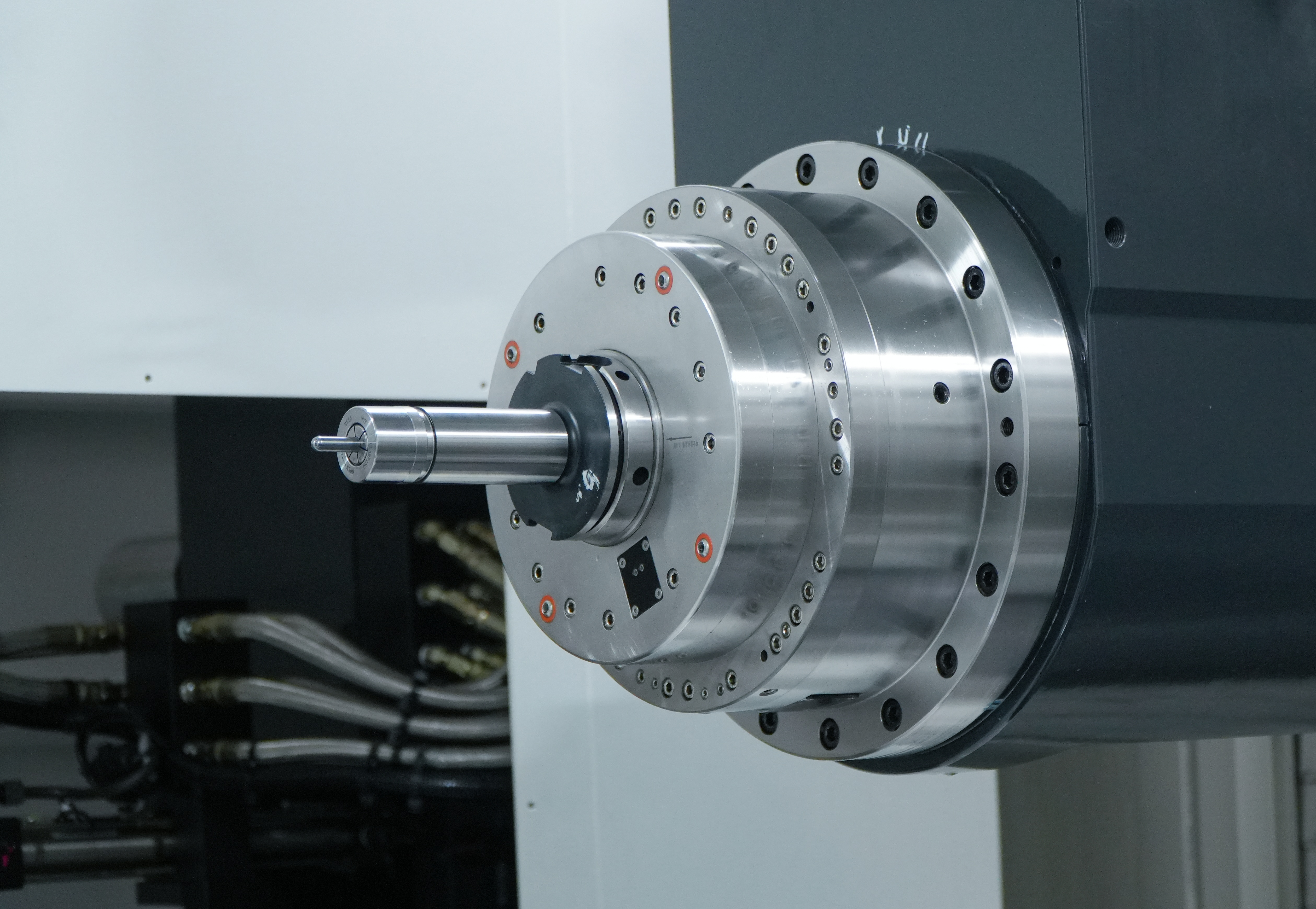
Table-table (trunnion) type: The workpiece rotates on two axes
-
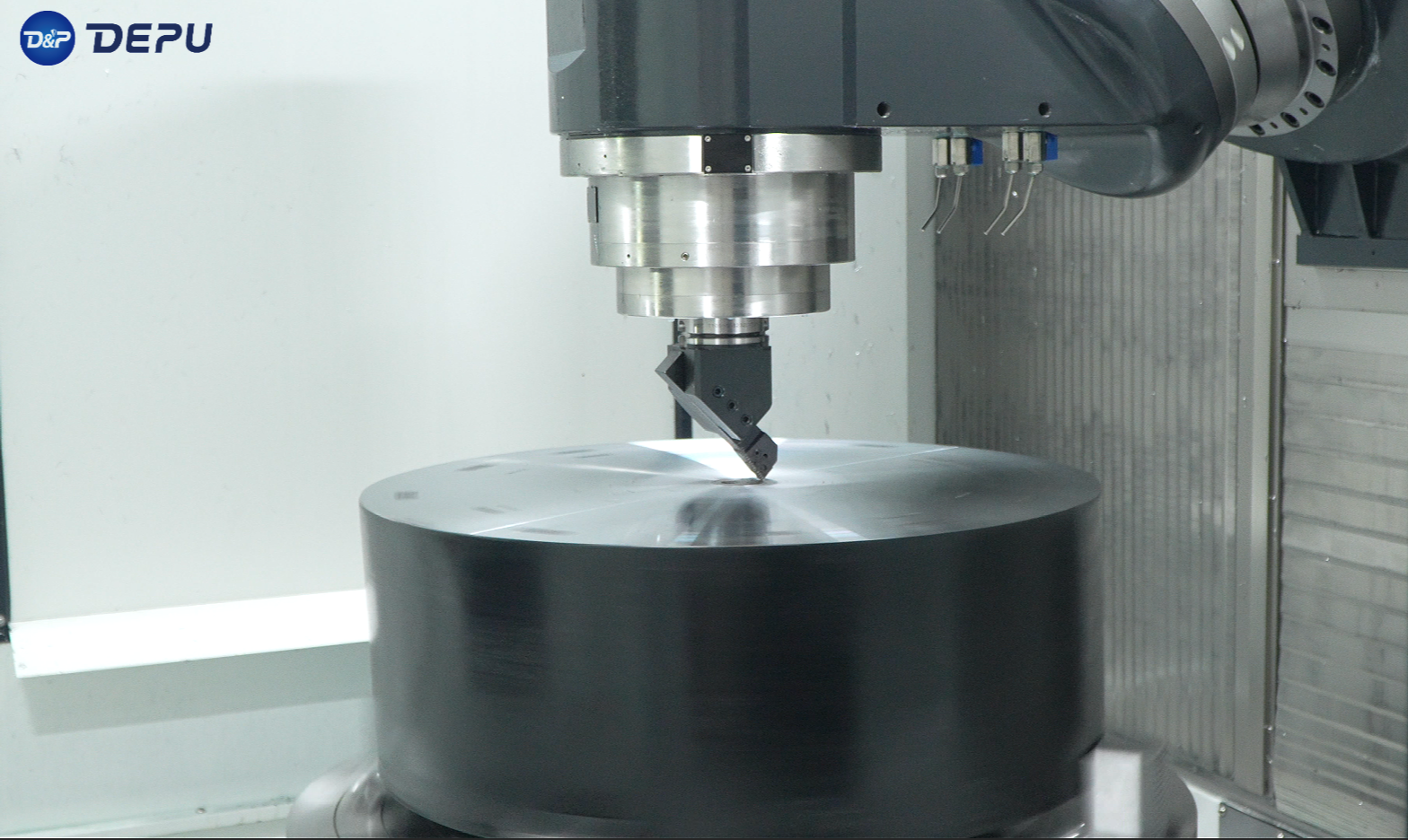
Head-table or head-head type: The spindle tilts and rotates
Both configurations enable 5-axis CNC machining to reach deep cavities, undercuts, and complex contours that are difficult or impossible to achieve with conventional methods.
Why 5-Axis CNC Machining Is Critical for Complex Parts
1. Single-Setup Machining Improves Accuracy
Every time a part is re-clamped, small positioning errors are introduced. In complex parts manufacturing, these errors accumulate quickly. 5-axis CNC machining minimizes or eliminates multiple setups, significantly improving dimensional accuracy and positional consistency.
This is especially critical for:
-
Aerospace structural components
-
Medical implants
-
Precision molds and dies
2. Ability to Machine Complex Geometries
Modern designs often include freeform surfaces, deep pockets, and intersecting angles. 5-axis CNC machining allows the cutting tool to maintain optimal contact angles, making it ideal for complex geometries.
Applications include:
-
Turbine blades and impellers
-
Engine housings
-
Multi-surface precision parts
Without 5-axis CNC machining, these parts would require multiple fixtures, special tools, or even design compromises.
3. Superior Surface Finish and Tool Life
By keeping the tool at the best cutting angle, 5-axis CNC machining reduces vibration and uneven tool engagement. This results in:
-
Better surface finish
-
Reduced tool wear
-
Lower risk of chatter
In complex parts manufacturing, this translates to less post-processing and more consistent quality.
4. Higher Efficiency and Shorter Lead Times
Although 5-axis CNC machining equipment has a higher upfront cost, it often reduces total production time. Fewer setups, faster machining cycles, and reduced manual intervention all contribute to improved efficiency.
For manufacturers producing high-value complex parts, 5-axis CNC machining delivers a lower total cost of ownership over time.
Industries That Rely on 5-Axis CNC Machining
Aerospace
Aerospace components demand tight tolerances, lightweight structures, and complex shapes. 5-axis CNC machining enables efficient machining of titanium, aluminum, and nickel-based alloys used in aircraft and engines.
Medical Devices
Medical implants and surgical tools often feature organic geometries and micron-level tolerances. 5-axis CNC machining ensures precision, repeatability, and excellent surface quality.
Energy and Power Generation
Components such as impellers, pump housings, and turbine parts benefit from the flexibility of 5-axis CNC machining, especially when machining hard or heat-resistant materials.
Mold and Tooling
Complex molds with deep cavities and multi-angle surfaces are ideally suited for 5-axis CNC machining, reducing EDM and polishing requirements.
5-Axis CNC Machining vs. 3-Axis Machining
| Aspect | 3-Axis Machining | 5-Axis CNC Machining |
|---|---|---|
| Setup Count | Multiple | Single or minimal |
| Geometry Capability | Limited | Highly complex |
| Accuracy | Setup-dependent | High consistency |
| Surface Finish | Moderate | Superior |
| Efficiency | Lower | Higher for complex parts |
For complex parts manufacturing, 5-axis CNC machining clearly provides a technical and economic advantage.
FAQ
1. What makes 5-axis CNC machining different from 3-axis machining?
5-axis CNC machining adds two rotational axes, allowing the tool or workpiece to tilt and rotate. This enables machining of complex shapes in fewer setups with higher accuracy.
2. Is 5-axis CNC machining only for large companies?
No. While the machines are more advanced, many small and medium manufacturers adopt 5-axis CNC machining to stay competitive in high-precision and complex parts manufacturing.
3. What materials are best suited for 5-axis CNC machining?
Common materials include aluminum alloys, titanium, stainless steel, Inconel, and other advanced engineering materials used in aerospace and medical applications.
4. Does 5-axis CNC machining reduce overall production cost?
For complex parts, yes. Fewer setups, less rework, and shorter lead times often make 5-axis CNC machining more cost-effective despite higher initial investment.
Conclusion
As product designs evolve toward higher complexity and tighter tolerances, 5-axis CNC machining has become a cornerstone of modern manufacturing. Its ability to deliver accuracy, efficiency, and design freedom makes it critical for complex parts manufacturing across aerospace, medical, energy, and tooling industries.
For manufacturers aiming to produce high-precision, high-value components, investing in 5-axis CNC machining is not just a technological upgrade—it is a strategic advantage.