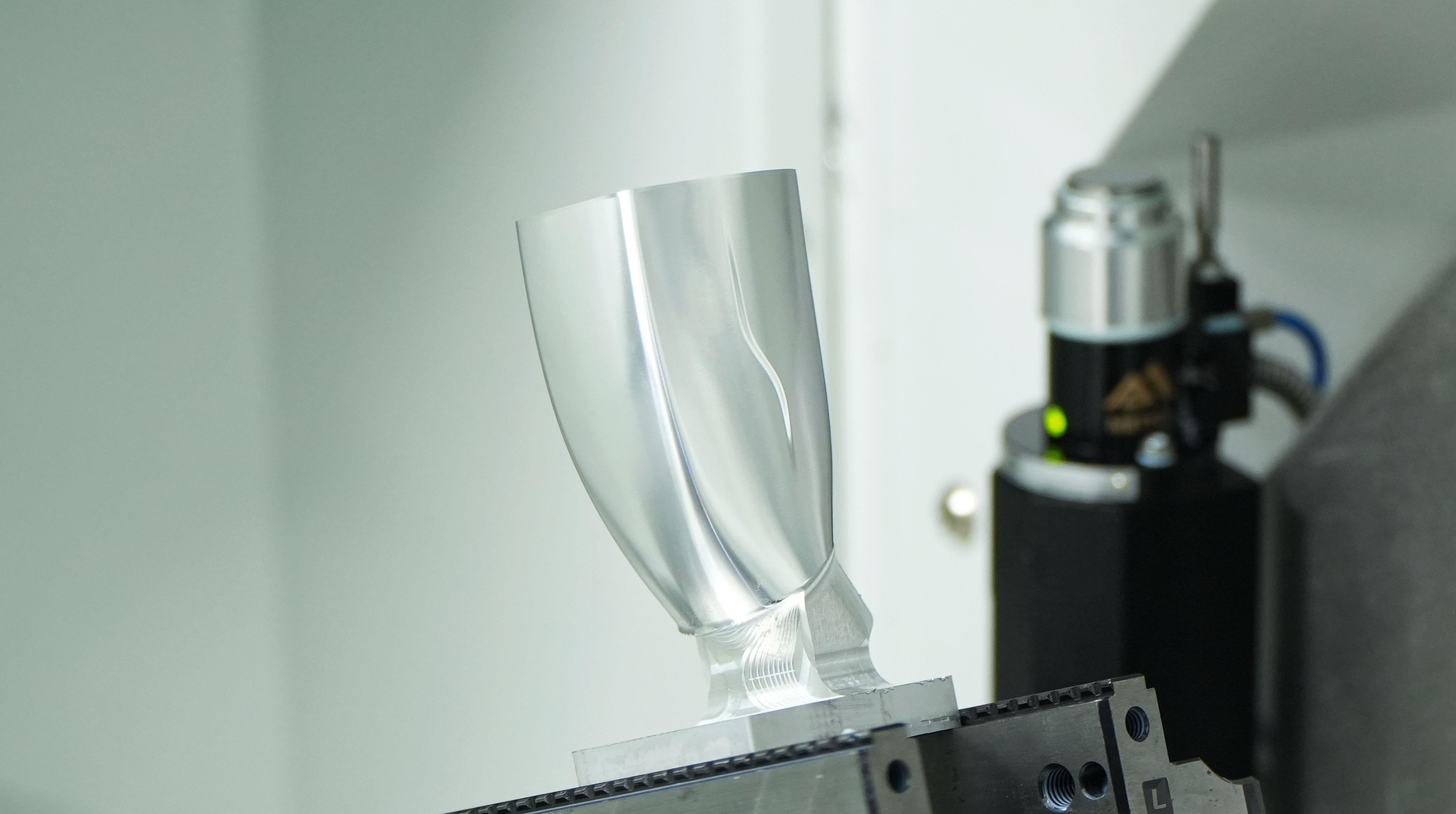

Is 5-Axis CNC Always the Right Choice for Complex Parts?
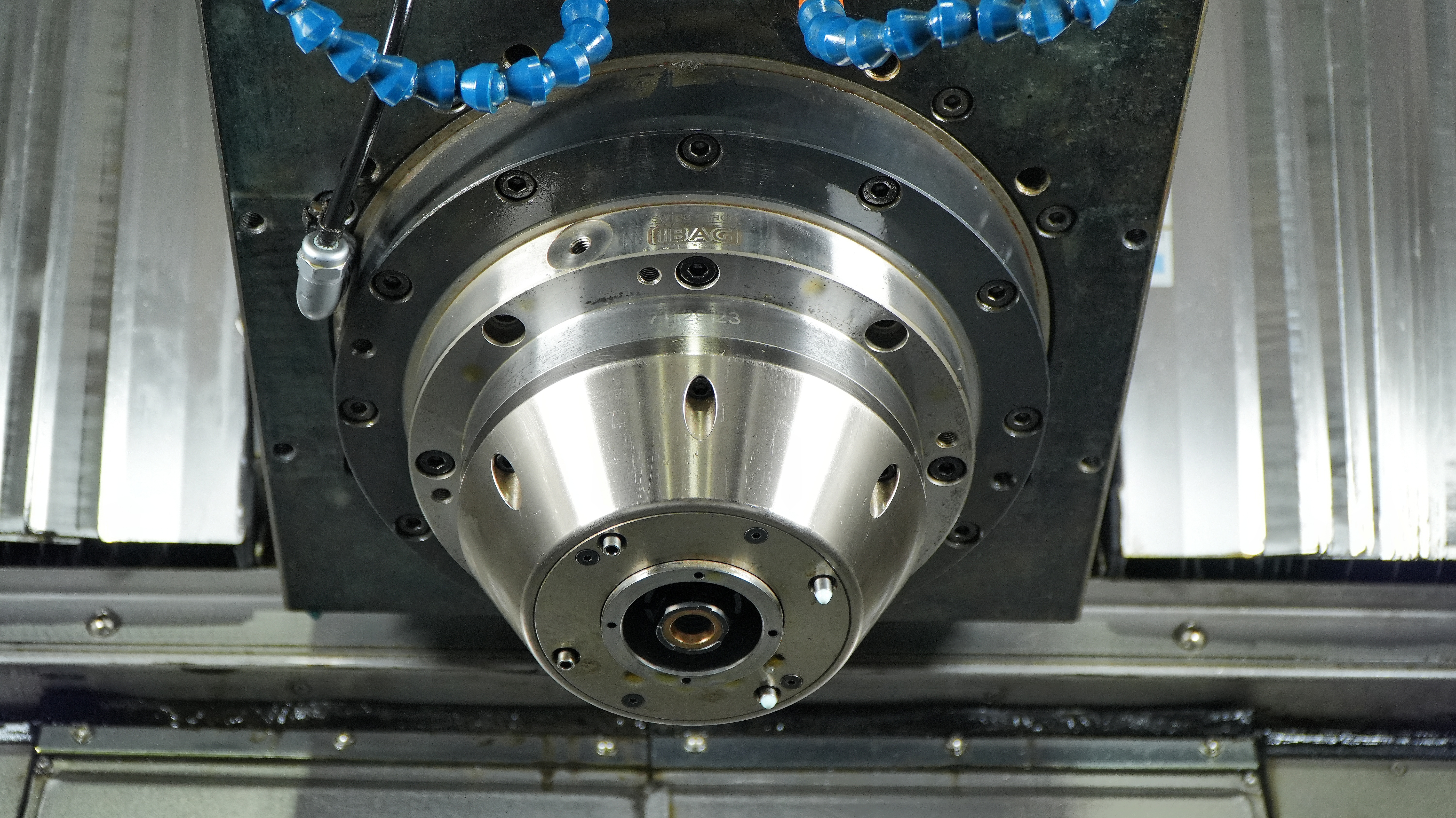
Why “Complex” Doesn’t Automatically Mean 5-Axis
In modern manufacturing, the term complex part is often used loosely. Multiple features, tight tolerances, or difficult materials do not automatically mean that 5-axis CNC is the best solution.
The real question manufacturers should ask is is 5-axis CNC always necessary for the specific geometry, tolerance stack, and production volume involved. In many cases, perceived complexity can be addressed through smart fixturing, optimized 3-axis strategies, or 3+2 indexing.
Understanding why a part is complex matters more than how it looks on a CAD screen.
Where 5-Axis CNC for Complex Parts Delivers Clear Advantages
There are scenarios where 5-axis CNC for complex parts is not optional—it is mandatory.
Typical examples include:
-
Undercuts and deep internal features
-
Freeform surfaces requiring continuous tool orientation
-
Parts demanding single-setup datum control
-
Thin-wall components sensitive to re-clamping distortion
In these cases, 5-axis machining reduces setups, improves surface finish, and maintains geometric integrity that multi-setup approaches cannot match.
When 3-Axis or 3+2 Machining Is More Cost-Effective
Despite its capabilities, 5-axis machining is not always the most cost-effective CNC machining option. Many parts labeled “complex” can be efficiently produced using indexed 3+2 strategies.
3-axis or 3+2 machining often makes sense when:
-
Features are accessible from limited orientations
-
Tolerances are local rather than cumulative
-
Production volumes are high and cycle time dominates cost
In these situations, simpler machines offer higher spindle utilization and lower programming complexity.
Setup Count vs. Geometry: The Real Decision Driver
The strongest argument for 5-axis CNC is not geometry alone—it is setup reduction. Every additional setup introduces:
-
Datum shift risk
-
Operator dependency
-
Inspection repetition
If a part requires more than three precision-critical setups on a 3-axis machine, the balance often shifts. This is where manufacturers revisit the question: is 5-axis CNC always necessary, or simply the most stable solution?
Tolerance Stack-Up: When Repositioning Becomes the Problem
In complex part manufacturing, cumulative tolerances often matter more than individual feature tolerances. Even parts with relatively simple geometry can require 5-axis machining if positional relationships must be preserved across multiple faces.
Examples include:
-
Aerospace brackets with multiple interface planes
-
Medical components requiring concentricity across angled features
Here, single-setup machining outweighs any cost premium associated with 5-axis CNC.
Programming, Verification, and Human Factors
5-axis machining introduces higher demands on CAM programming, post-processing, and simulation. For low-volume or rapidly changing designs, this overhead may outweigh its benefits.
Manufacturers should evaluate:
-
CAM maturity and post-processor reliability
-
Collision risk during simultaneous motion
-
Operator and programmer experience
Without the right infrastructure, 5-axis CNC for complex parts can increase risk rather than reduce it.
Production Volume Changes the Equation
Volume fundamentally alters the decision. For one-off parts, flexibility matters most. For batch production, stability and throughput dominate.
-
Low volume, high complexity → 5-axis often justified
-
Medium volume, moderate complexity → 3+2 often optimal
-
High volume, repeatable geometry → dedicated 3-axis may win
This reinforces why is 5-axis CNC always necessary must be answered in the context of scale, not capability alone.
Hybrid Strategies: Using 5-Axis Where It Matters Most
Many advanced manufacturers adopt hybrid workflows:
-
5-axis machining for critical geometry
-
3-axis machining for secondary features
This approach balances precision with cost-effective CNC machining, maximizing ROI without overusing high-end resources.
The Right Choice Is a Strategic One
5-axis CNC is a powerful tool—but like any tool, it delivers value only when applied correctly. The most successful manufacturers evaluate part function, tolerance interaction, production scale, and organizational readiness before committing.
So, is 5-axis CNC always necessary for complex parts? No.
But when complexity threatens accuracy, stability, or efficiency, 5-axis becomes the right—and sometimes the only—choice.
FAQ
Is 5-axis CNC always required for complex parts?
No. Many complex-looking parts can be machined efficiently using 3-axis or 3+2 strategies depending on geometry and tolerances.
What types of parts truly require 5-axis machining?
Parts with undercuts, freeform surfaces, or tight multi-face positional tolerances typically require 5-axis CNC machining.
How do costs compare between 3-axis and 5-axis machining?
5-axis machining has higher programming and machine costs, but can reduce total cost by eliminating setups and improving yield.
Can manufacturers combine 3-axis and 5-axis machining?
Yes. Hybrid strategies are common and often provide the best balance between precision and cost efficiency.